


- Home
- Destination
- Dashoguz
- Konye-Urgench
Explore The Kunya-Urgench With Us
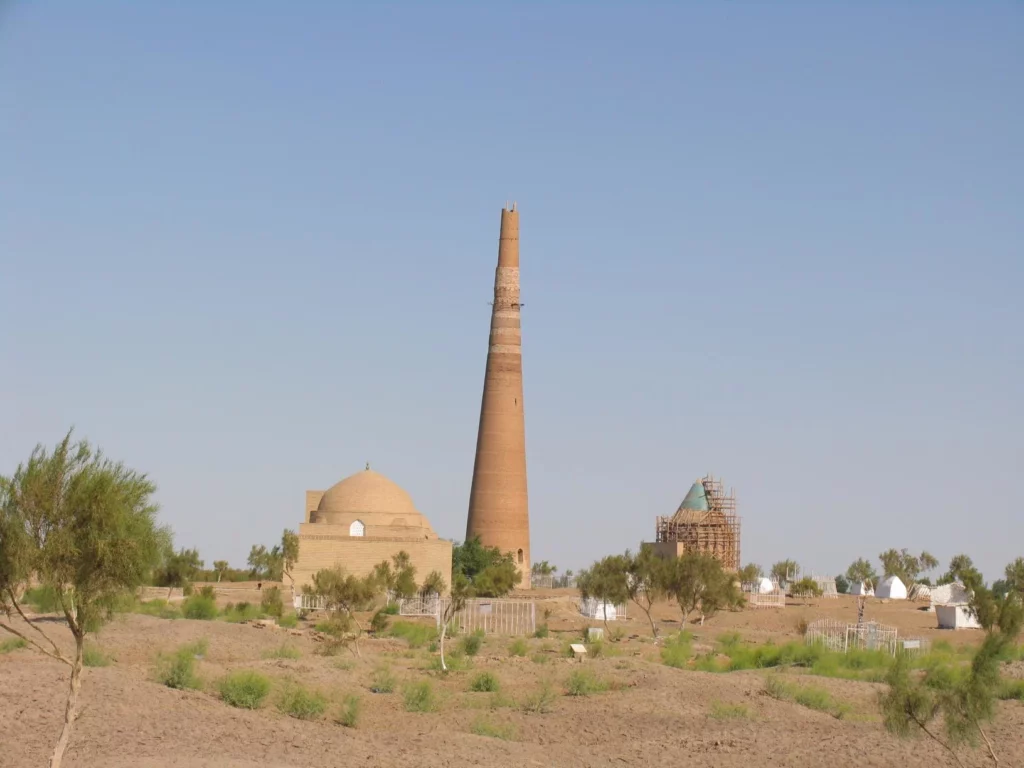
A Timeless Jewel of Central Asia
Nestled in the heart of ancient Khorezm, Kunya-Urgench (also known as Keneurgench) stands as a testament to the grandeur of Central Asia’s medieval past. A UNESCO World Heritage Site since 2005, this open-air museum of history and architecture offers a captivating journey through empires, scholars, and the echoes of the Silk Road.
A Crossroads of Civilizations
Kunya-Urgench’s origins stretch back to antiquity, with its first mentions dating to the 3rd–1st centuries BCE in the Zoroastrian sacred text, the Avesta, where it was revered as Urva. By the 8th century, under Arab rule, it became Gurganj—a thriving capital of Khorezm and a beacon of culture and trade. As a pivotal Silk Road hub, it attracted caravans from China (who knew it as Yue-gan) and hosted luminaries like Abu Ali ibn Sina (Avicenna) and Abu Rayhan Beruni, whose groundbreaking works in medicine and science began within the walls of the famed Mamun Academy.
Rise, Ruin, and Revival
Gurganj’s golden age was tragically punctuated by invasions. Genghis Khan razed the city in 1221, yet it resurged under the Golden Horde, becoming, as traveler Ibn Battuta noted, the “largest of Turkic cities.” Its final blow came in 1388 at the hands of Tamerlane, who left it in ruins. Abandoned for centuries, the site was reborn in the 19th century as a modest settlement, later evolving into the Turkmen city of Keneurgench.
Architectural Marvels
Today, the Old City preserves hauntingly beautiful relics of its storied past:
Kutlug-Timur Minaret:
Soaring 60 meters, this 14th-century marvel is Central Asia’s tallest minaret, a silent witness to the mosque it once adorned.
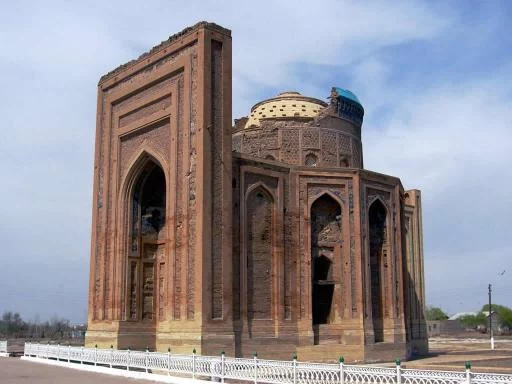
Turabek-Khanym Mausoleum:
A masterpiece of intricate mosaic domes depicting celestial stars and floral motifs, housing the remains of the Uzbek Khan’s daughter.
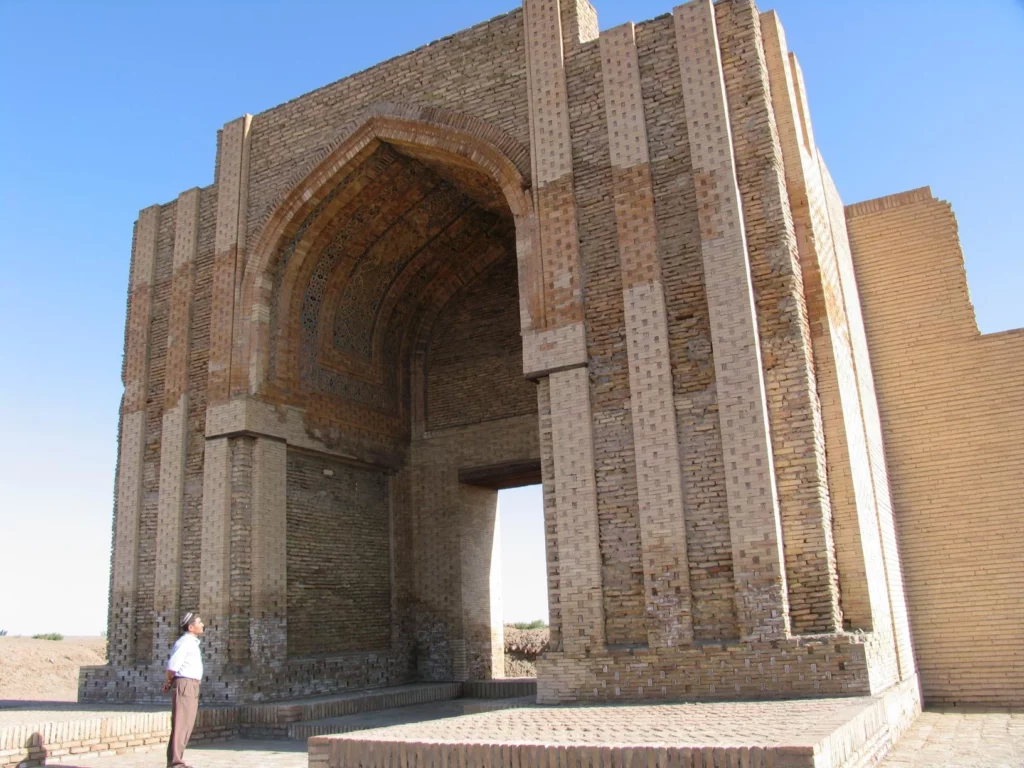
Kyrk-Molla Fortress:
Dating to the 3rd century, this ancient site later inspired a palace meant for "40,000 scholars," blending myth and history.
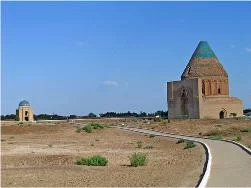
Il-Arslan Mausoleum:
A 12th-century gem with a ribbed turquoise dome, honoring the Khorezmshah ruler.
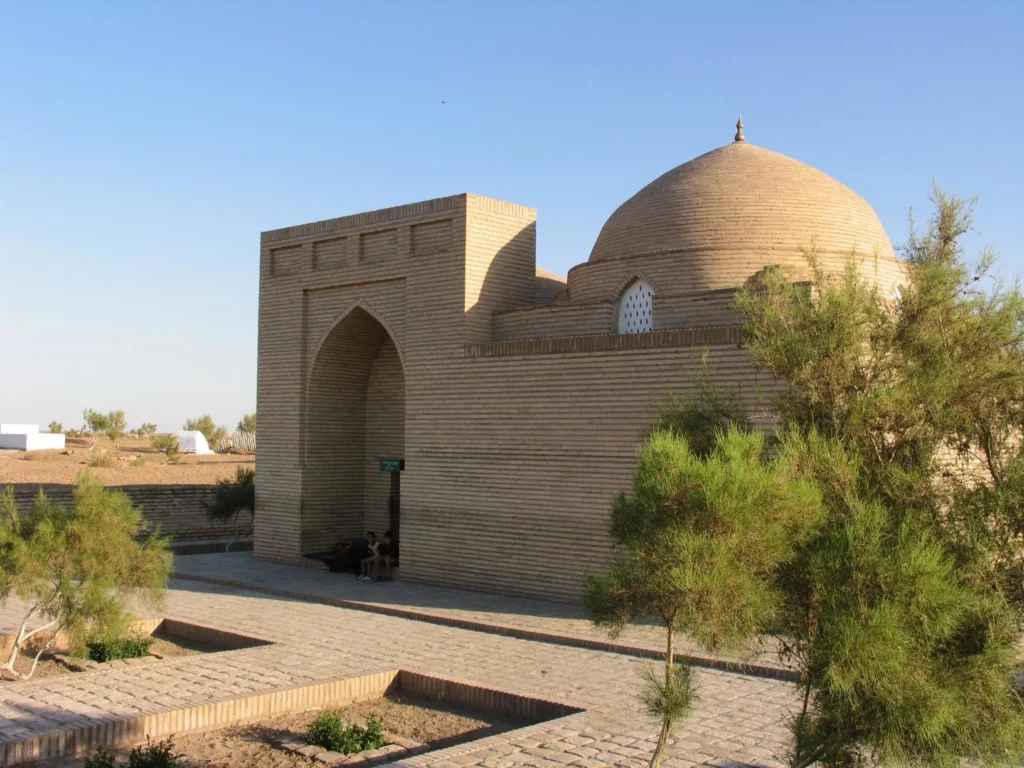
Mamun Minaret:
Among the region’s oldest, reflecting early Islamic architectural innovation.
Legacy of Craftsmanship
Kunya-Urgench was more than a city—it was a school of architectural genius. Its artisans influenced structures across the Islamic world, from Samarkand’s Timurid splendor to the Mughal wonders of India. Traditional techniques, like the kiln-fired bricks seen in its monuments, still inspire restoration efforts today.
A Pilgrimage for History Lovers
Though time and conquest have left scars, Kunya-Urgench’s aura endures. Wander among the ruins of caravanserais, mosques, and mausoleums, and feel the weight of centuries. Each stone whispers tales of scholars, conquerors, and traders who shaped Eurasia.
For travelers seeking the soul of Central Asia, Kunya-Urgench is indispensable. Its blend of melancholy beauty and historical resonance offers a rare glimpse into a world where science, faith, and empire once converged. Just 480 km from Ashgabat, this UNESCO treasure is not merely a destination—it’s a pilgrimage into the past.
OUR VISION
At “Stan Holidays”, we envision a world where travelers can discover the beauty and diversity of Central Asia while fostering mutual understanding and respect between cultures. We strive to be the leading travel agency in Turkmenistan, known for our exceptional service, deep local knowledge, and dedication to creating meaningful travel experiences.
Join us at “Stan Holidays” and let us take you on a journey through Turkmen wonders. Whether it’s your first visit or a return trip, we promise an adventure that will stay with you forever.