


- Home
- Destination
- Dashoguz
- Ysmamyt ata Shrine
Explore The Ysmamyt Ata Memorial Complex With Us
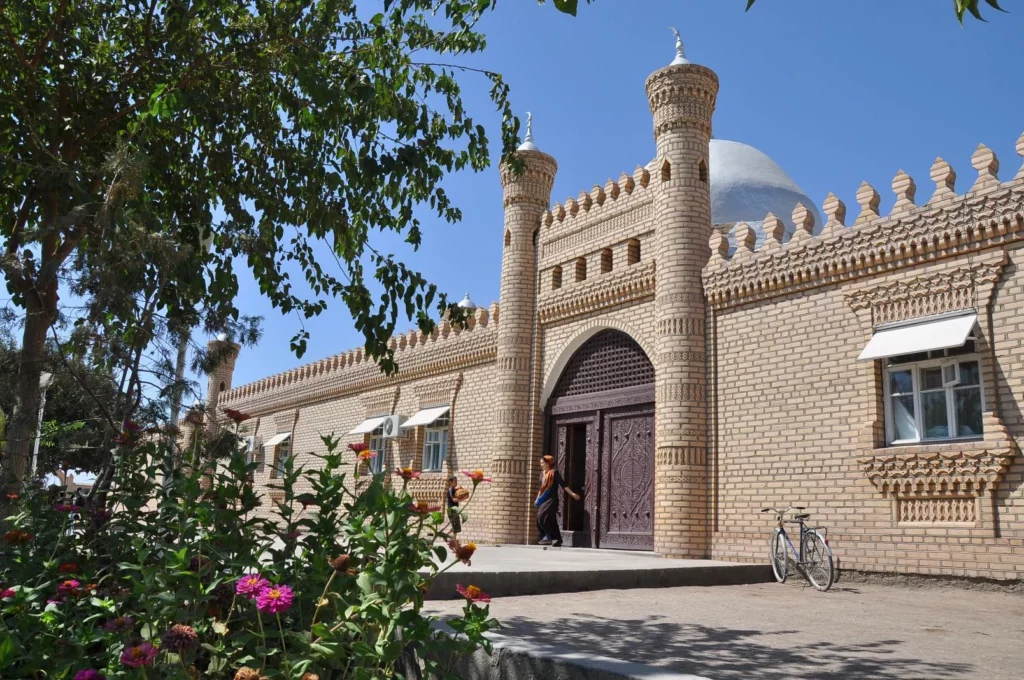
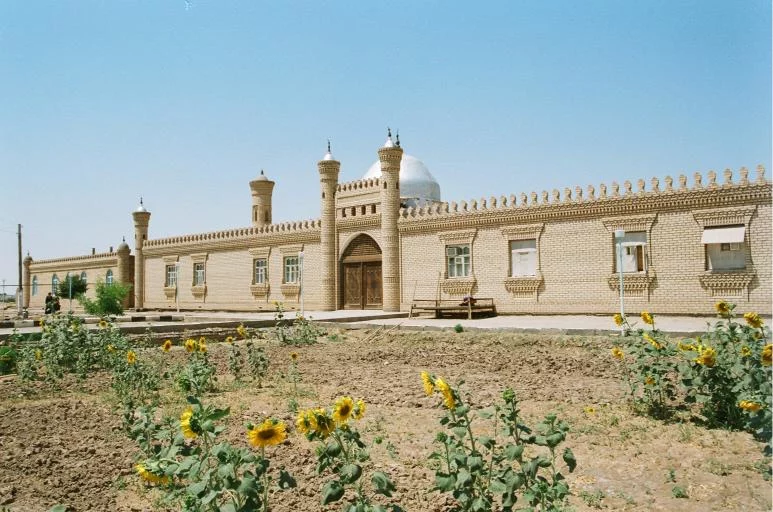
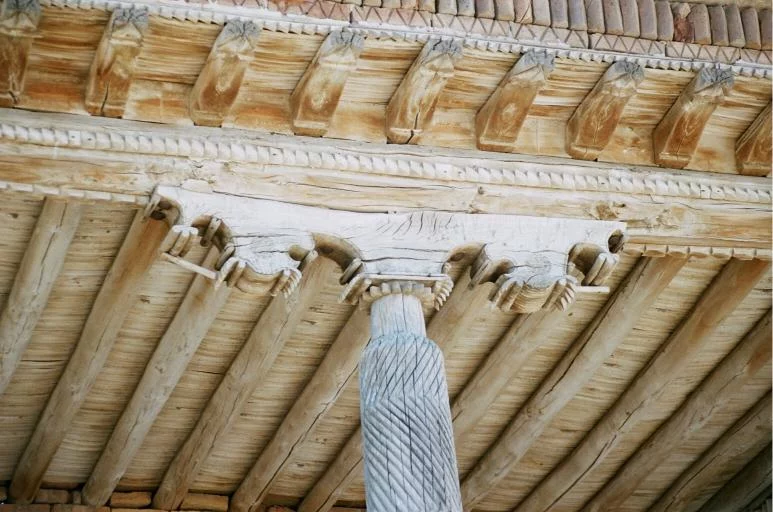
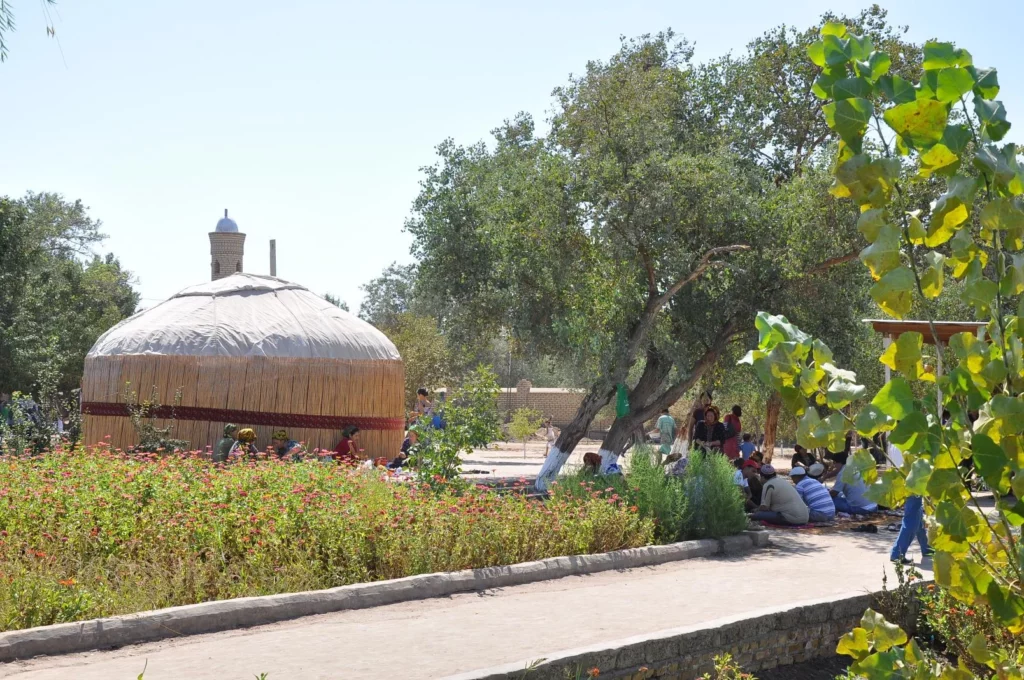
Ysmamyt Ata Shrine – A Sacred Tapestry of Faith and History
Nestled in the remote village of Zaman in Turkmenistan’s Dashoguz Province, the Ysmamyt Ata Shrine stands as a profound testament to the spiritual and cultural crossroads of Central Asia. Built atop the ancient ruins of Eshretgala (11th–12th centuries), this sprawling memorial complex weaves together Islamic devotion, medieval architecture, and the enduring legacy of Silk Road syncretism.
A Legend of Conversion and Unity
The shrine’s origins are steeped in legend. In the 7th century, Isim Sahab, a companion of the Prophet Muhammad’s descendant Musaib Qazi, journeyed to Khorezm to spread Islam. He encountered Sultan Mahmud, ruler of Eshretgala, who, impressed by Islam’s monotheistic tenets, embraced the faith alongside his kin. To immortalize their alliance, their names merged into “Ysmamyt” (Isymmahmyt), symbolizing unity between Arab missionaries and local Turkmens. Isim Sahab was buried here, and the site became a beacon for pilgrims across centuries. Though Sultan Mahmud’s tomb is lost, Ysmamyt Ata’s mausoleum anchors the complex, drawing reverence from diverse communities.
Architectural Layers: Where Eras Collide
The shrine’s labyrinthine layout reflects its layered history. Its foundations, dating to Eshretgala’s heyday, support structures from multiple epochs:
Dual Domes:
Two grand domes crown the complex, their austere brickwork contrasting with intricate geometric motifs hinting at Timurid influences.
Dashkoche Corridor:
A striking 7-domed passageway, unique in Central Asian design, connects ritual spaces and symbolizes spiritual ascent.
Seasonal Worship:
Separate winter and spring mosques accommodate harsh climates, while a hanaka (Sufi lodge) and madrasa underscore its role as a center of learning.
Communal Spaces:
A communal kitchen and prayer halls reveal the site’s function as both sanctuary and social hub.
Crossroads of Cultures
Surrounded by a vast 4–5-hectare cemetery, Ysmamyt Ata served as a burial ground for Turkmens, Uzbeks, and Kazakhs, reflecting the region’s ethnic mosaic. Pilgrims still visit to honor ancestors and seek blessings, particularly at Isim Sahab’s tomb, believed to radiate *barakat* (divine grace). The site’s inclusivity—a blend of Islamic practice and pre-Islamic Turkmen reverence for ancestors—echoes Central Asia’s pluralistic spiritual heritage.
Why Visit?
Spiritual Atmosphere:
Feel the weight of centuries in the silent corridors and sunlit domes, where whispers of prayers linger.
Historical Depth:
Decipher architectural layers, from Eshretgala’s foundations to post-Mongol renovations.
Cultural Insight:
Witness living traditions, as locals gather for *ziyarat* (pilgrimage) and communal meals.
Visitor Tips
Guides:
Engage a local guide to unravel the shrine’s legends and hidden symbolism.
Timing:
Visit during cooler months (spring/autumn) to explore the open-air complex comfortably.
Respect:
Dress modestly and seek permission before photographing rituals or graves.
Ysmamyt Ata is more than a shrine—it’s a living chronicle of faith, resilience, and cultural fusion. For historians, it offers a palimpsest of empires; for pilgrims, a conduit to the divine. Amid Dashoguz’s arid plains, this sanctuary reminds us that even in ruin, sacred spaces endure as bridges between past and present, earth and eternity.
OUR VISION
At “Stan Holidays”, we envision a world where travelers can discover the beauty and diversity of Central Asia while fostering mutual understanding and respect between cultures. We strive to be the leading travel agency in Turkmenistan, known for our exceptional service, deep local knowledge, and dedication to creating meaningful travel experiences.
Join us at “Stan Holidays” and let us take you on a journey through Turkmen wonders. Whether it’s your first visit or a return trip, we promise an adventure that will stay with you forever.