


- Home
- Destination
- Ashgabat
- Nissa Fortress
Explore The Nissa Fortress With Us
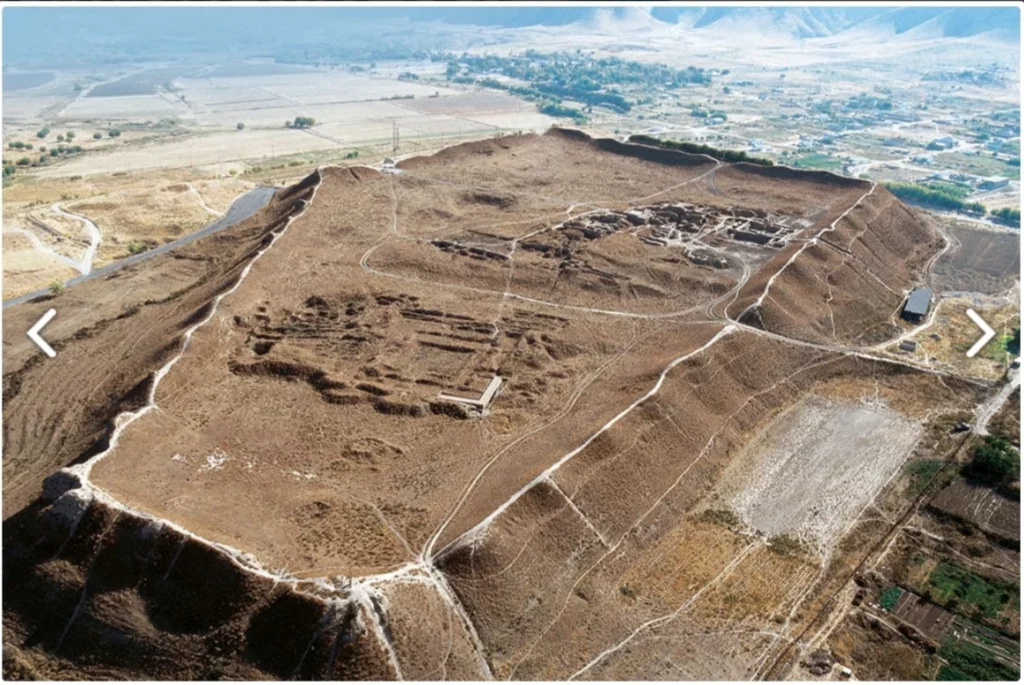
A Glimpse into the Parthian Empire’s Grandeur
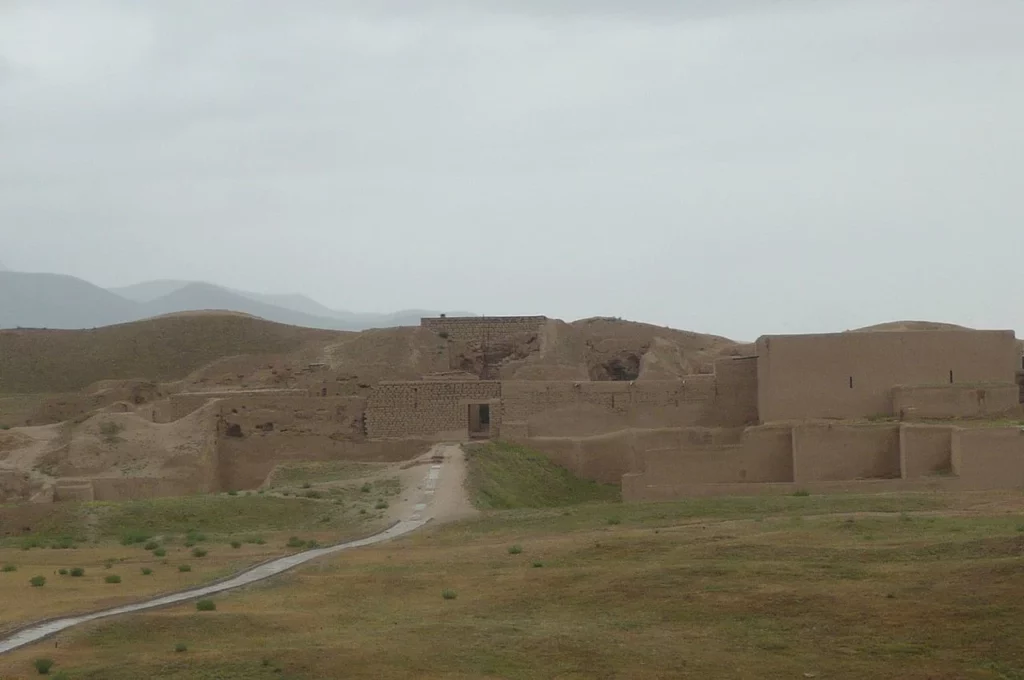
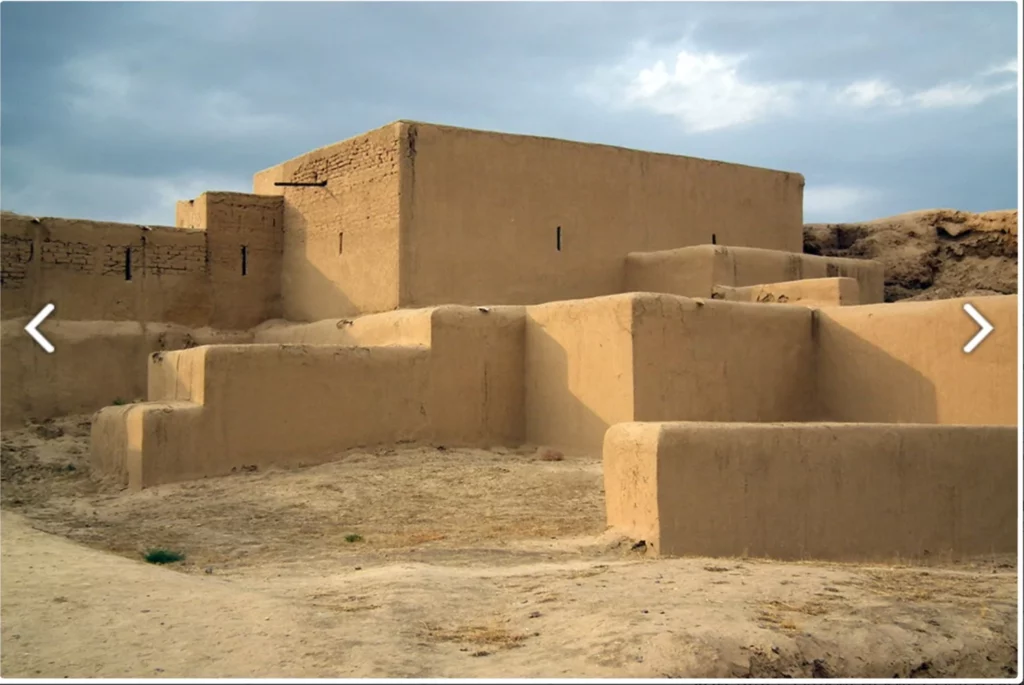
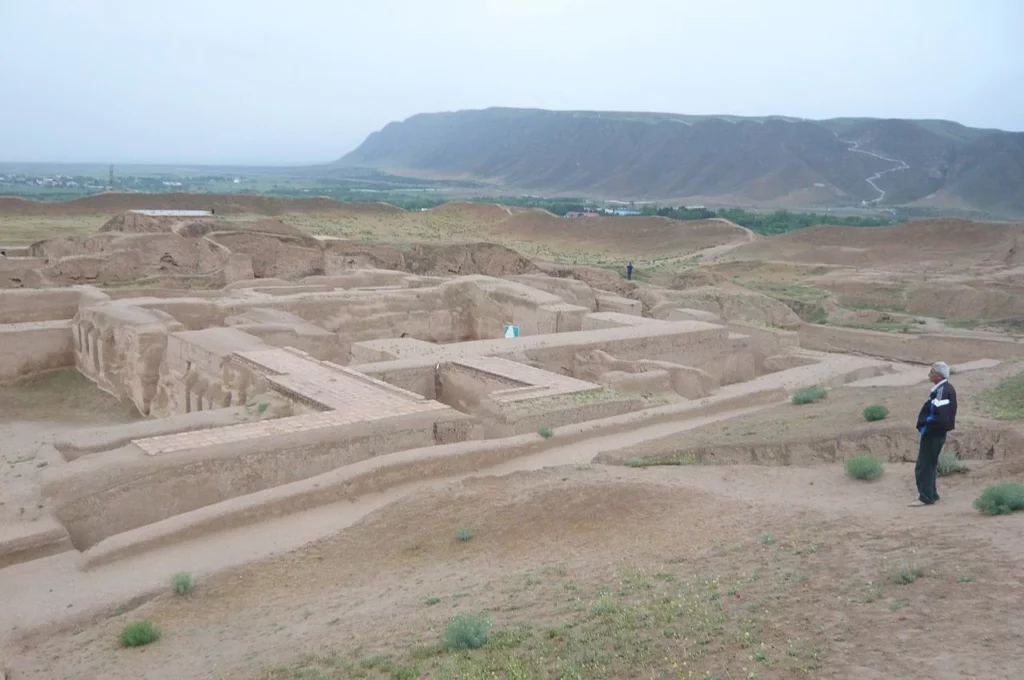
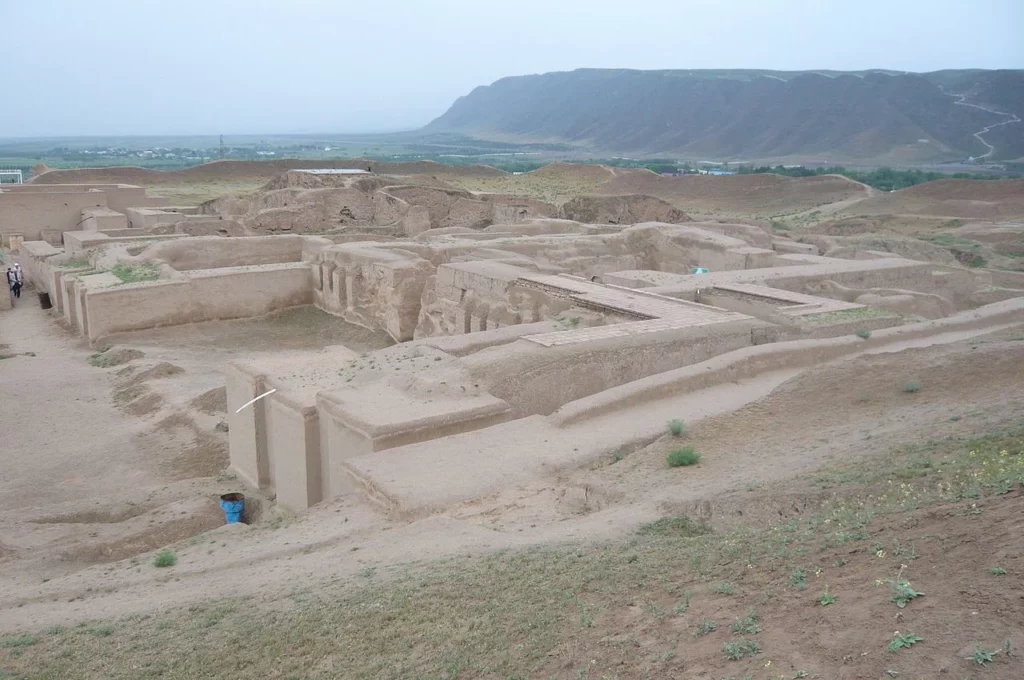
Located just 18 kilometers west of Ashgabat, the ancient ruins of Nisa stand as a testament to the grandeur of the Parthian Empire, one of the most powerful civilizations of its time. As the capital of Parthia during the 3rd century B.C., Nisa played a pivotal role in the political, cultural, and economic life of the ancient world. Today, its remnants offer a fascinating glimpse into a bygone era, earning it a well-deserved place on UNESCO’s World Heritage List in 2007.
Historical Significance
Nisa’s origins are deeply rooted in history, with its first mentions found in the sacred Zoroastrian text, the Avesta, and the Behistun inscription of the Achaemenid king Darius I. The city rose to prominence under the Parthian Empire, particularly during the reign of Mithridates I (171-138 B.C.), who named the fortress Mitridatokert (Fortress of Mithridates). Nisa served as both a royal residence and a ceremonial center, housing the tombs of the Arsacid dynasty and hosting grand festivals and sacrifices.
The Parthian Empire, known for its military prowess and cultural achievements, stretched from Mesopotamia to the borders of India, rivaling the Roman Empire in power. Nisa was at the heart of this empire, serving as a hub for trade, art, and governance. Its decline began in 224 A.D. when the Sassanid dynasty overthrew the Parthians, leading to the destruction of Nisa as part of an effort to erase the legacy of the Arsacid rulers.
Architectural Marvels
The ruins of Nisa are divided into two main areas: Old Nisa and New Nisa. Old Nisa, the imperial residence, was a fortified complex perched on a natural hill with an irregular pentagon shape. Its massive walls, constructed from pahsa (whipped clay) and mudbricks, were up to 20 meters high and 8-9 meters thick, reinforced by 43 rectangular watchtowers. These formidable defenses highlight the strategic importance of the site.
Within the fortress, archaeologists have uncovered the remains of palace and temple buildings, a treasury, and vast wine storage facilities. The discovery of ivory horn-like vessels (rhytons), marble sculptures, and ostracon (clay pot fragments inscribed with ancient texts) provides a vivid picture of the opulence and sophistication of Parthian culture. One of the most remarkable finds is a fresco fragment, considered a masterpiece of Parthian pictorial art.
Cultural and Economic Legacy
Nisa was not only a political center but also a thriving economic hub. The Parthians were renowned for their wine production, horse breeding, and carpet weaving, all of which contributed to their prosperity. The city’s storerooms, filled with goods and supplies, attest to its role as a key trade center along the Silk Road.
The cultural achievements of Nisa are equally impressive. The Parthians were patrons of art, science, and medicine, and their influence can be seen in the intricate designs of the rhytons and the architectural grandeur of the fortress. The discovery of written documents from the 2nd-1st centuries B.C. further underscores the intellectual vibrancy of the city.
Mysteries and Legends
Nisa’s name is shrouded in mystery and legend. Some scholars believe it derives from the Greek god Dionysus’s wet nurse, Nisa, while others suggest it means “a type of settled settlement” in ancient languages. A medieval legend claims that the city was named after women who defended it against Arab invaders, earning it the Arabic name for “women.” These stories add to the allure of Nisa, making it a place where history and myth intertwine.
UNESCO World Heritage Site
In 2007, Nisa was inscribed as a UNESCO World Heritage Site, recognized for its outstanding universal value as a symbol of Parthian civilization. The site’s preservation allows visitors to connect with the legacy of an empire that once rivaled Rome and shaped the course of history.
Tourism and Legacy
Today, Nisa is a must-visit destination for history enthusiasts and travelers seeking to explore the roots of Central Asian civilization. The ruins, though weathered by time, evoke the grandeur of a city that once stood at the crossroads of empires. Walking through the remnants of its fortress walls, storerooms, and temples, visitors can imagine the splendor of a bygone era.
Nisa is more than an archaeological site; it is a window into the soul of the Parthian Empire. Its ruins tell the story of a civilization that thrived on innovation, artistry, and resilience. For anyone interested in ancient history, architecture, or the Silk Road, Nisa offers an unforgettable journey through time. Its inclusion in UNESCO’s World Heritage List ensures that its legacy will endure, inspiring future generations to uncover the secrets of this remarkable city.
OUR VISION
At “Stan Holidays”, we envision a world where travelers can discover the beauty and diversity of Central Asia while fostering mutual understanding and respect between cultures. We strive to be the leading travel agency in Turkmenistan, known for our exceptional service, deep local knowledge, and dedication to creating meaningful travel experiences.
Join us at “Stan Holidays” and let us take you on a journey through Turkmen wonders. Whether it’s your first visit or a return trip, we promise an adventure that will stay with you forever.