


- Home
- Destination
- Akhal
- Seyit Jemaleddin
Explore The Seyit Jemaleddin With Us
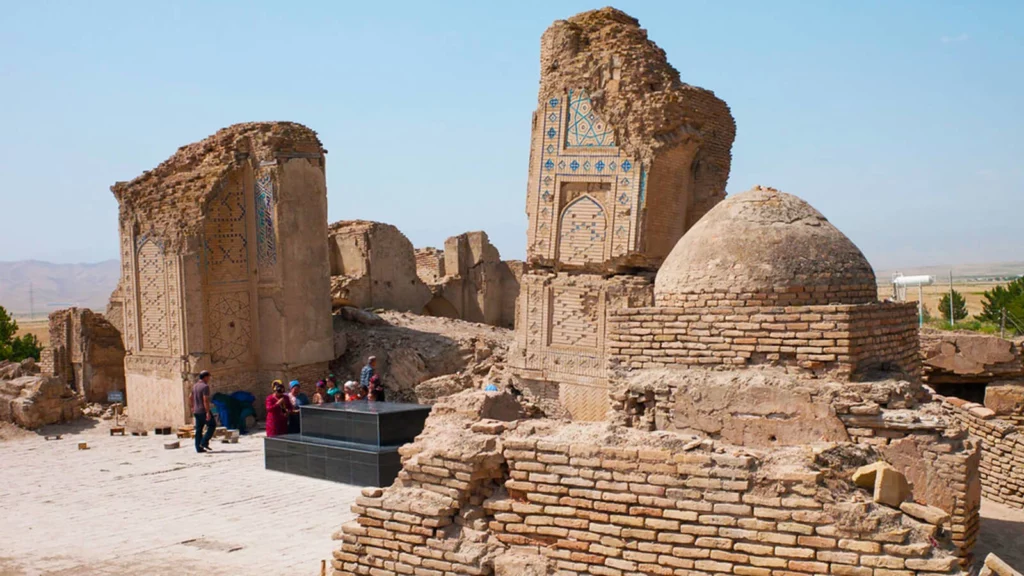
Seyit Jemaleddin Mosque – A Timurid Jewel of Resilience and Mystery
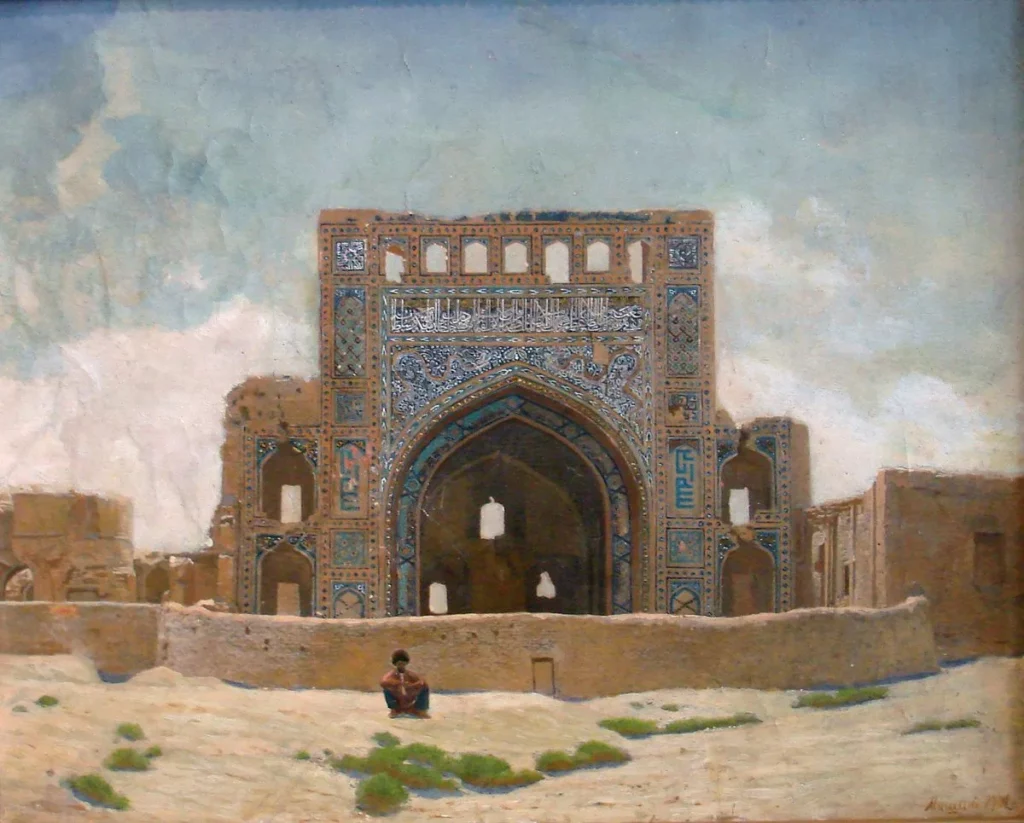
Perched on the windswept ruins of the ancient citadel of Anau, 12 kilometers southeast of Ashgabat, the Seyit Jemaleddin Mosque stands as a hauntingly beautiful relic of Turkmenistan’s Timurid-era grandeur. Built in 1456 under the reign of Khorezm ruler Abu Kasim Baber Bahadurhan, this 15th-century marvel defies time and tragedy, offering visitors a rare glimpse into Central Asia’s rich cultural tapestry.
Historical Context: From Timurid Splendor to Modern Pilgrimage
Commissioned by vizier Muhammed Khudaiot in honor of his father, Seyit Jemaleddin, the mosque served as both a spiritual sanctuary and a testament to Timurid architectural ambition. Its location in Anau—a city dating to the 3rd millennium BCE—links it to a deeper historical narrative, including the nearby Wheat Factory Temple, where 5,000-year-old grains were unearthed, underscoring the region’s ancient agricultural legacy.
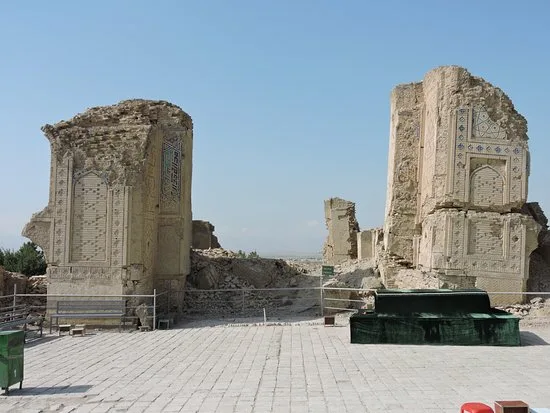
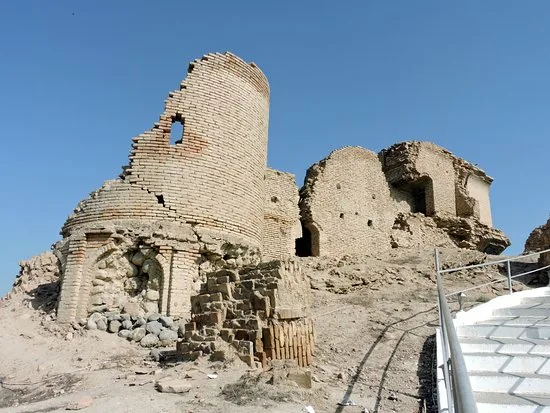
Despite enduring the Mongol invasions and the catastrophic 1948 Ashgabat earthquake (magnitude 7.3), which flattened much of the capital, the mosque’s skeletal structure persists. While its domes and walls lie in ruins, the site remains a pilgrimage destination, with a modest new mosque at the base of the hill accommodating modern worshipers.
Architectural Marvel: Dragons and Defiance
The Seyit Jemaleddin Mosque is a rare surviving example of Timurid architecture in Turkmenistan, distinguished by its bold fusion of Islamic and pre-Islamic motifs:
Dragon Mosaics:
The mosque’s most striking feature is the pair of 8-9-meter-tall dragons adorning the entrance arch. Their presence defies conventional Islamic aniconism, possibly symbolizing power or protection, and hints at Silk Road exchanges with Chinese or Turkic traditions.
Ceramic Artistry:
Intricate geometric and floral tilework, once vibrant with lapis lazuli and turquoise hues, fragments of which still cling to the ruins, showcase Timurid craftsmanship.
Sacred Tombs:
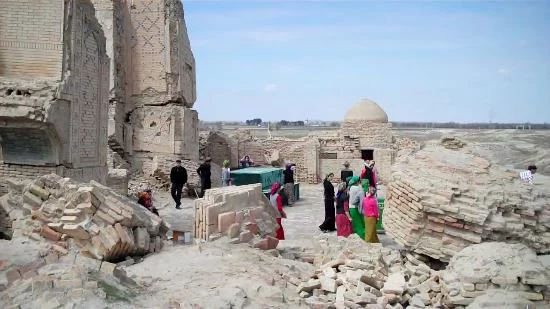
Two enigmatic tombs within the mosque, likely belonging to revered figures, have drawn pilgrims for centuries. Visitors circle them in silent reverence, a practic despite the structure’s decay.
Cultural Significance: Between Ruin and Revival
Though shattered, the mosque remains a spiritual touchstone. Locals gather here to pray, sacrifice animals, and seek blessings, particularly on weekends. A nearby community center offers free meals to pilgrims, embodying Turkmen hospitality. The site’s resilience mirrors the enduring faith of its people, bridging medieval history and modern devotion.
Visitor Experience
Timing:
Visit at sunrise or sunset for dramatic lighting on the ruins. Spring (March–May) and autumn (September–November) offer milder weather.
Nearby Sites:
Combine your visit with the National Wheat Museum "Ak Bugday", celebrating Anau’s agrarian heritage, and the ancient citadel foundations.
Cultural Etiquette:
Dress modestly and respect ongoing rituals; photography is permitted but avoid interrupting worshippers.
Why Visit?
Unique Artistry:
The dragon mosaics are a singular phenomenon in Islamic architecture, sparking curiosity about cultural syncretism.
Historical Layers:
Walk amid ruins that span millennia, from Bronze Age settlements to Timurid glory.
Spiritual Atmosphere:
Feel the weight of centuries in the silent prayers and circling pilgrims.
The Seyit Jemaleddin Mosque is more than a ruin—it’s a symbol of endurance. Its fractured arches and fading dragons whisper of empires and earthquakes, faith and resilience. For history buffs, art lovers, and spiritual seekers, this site offers a poignant journey into Turkmenistan’s soul, where the past is never truly buried.
Pro Tip
Don’t miss the Anau Fortress ruins nearby, and clarify that this is not the Sayed Jamaluddin Mosque in India. In Seyit Jemaleddin’s shadow, you’ll find not just history, but a living testament to the unyielding spirit of a people and their land.
OUR VISION
At “Stan Holidays”, we envision a world where travelers can discover the beauty and diversity of Central Asia while fostering mutual understanding and respect between cultures. We strive to be the leading travel agency in Turkmenistan, known for our exceptional service, deep local knowledge, and dedication to creating meaningful travel experiences.
Join us at “Stan Holidays” and let us take you on a journey through Turkmen wonders. Whether it’s your first visit or a return trip, we promise an adventure that will stay with you forever.