


- Home
- Destination
- Lebap
Explore The Lebap With Us
Turkmenabat Landmarks:
The Ancient Settlement of Amul’ ( the 10th – 11th centuries)
The ruins in the ancient settlement of Amul’ used to be the fortress of Amul’s ruler. It is located near the entrance to Turkmenabat about 10 km from the city center. In the 10th century the ancient settlement was a pise -walled fortress surrounded by a wide moat filled with water. Each side had a gate which looked at the four winds. They w ere safeguarded by warriors ( sarabazs ) day and night.
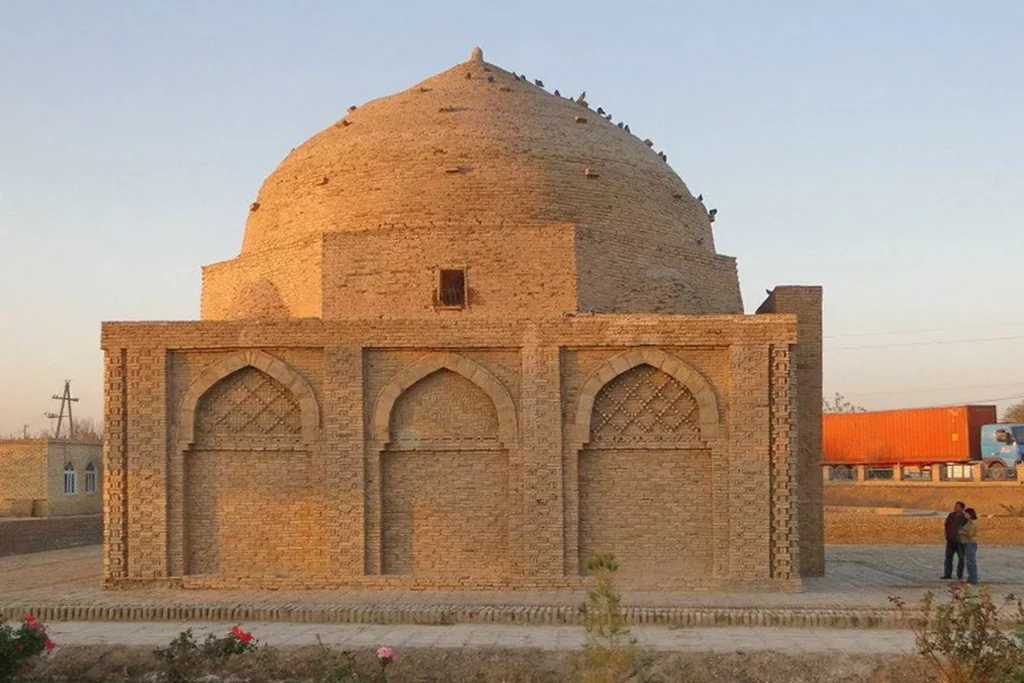
The Mausoleum of Allamberdar
The Mausoleum of Allamberadar ( Almutasir) is an 11th-century monument of architecture. The building of the mausoleum is largest among the existing early structures of Northern Khurasan.
The Mausoleum of Astana-baba
The mausoleum of Astana-baba is a part of the memorial complex consisting of a mosque and a tomb. As a matter of fact they are several buildings constructed it various periods.
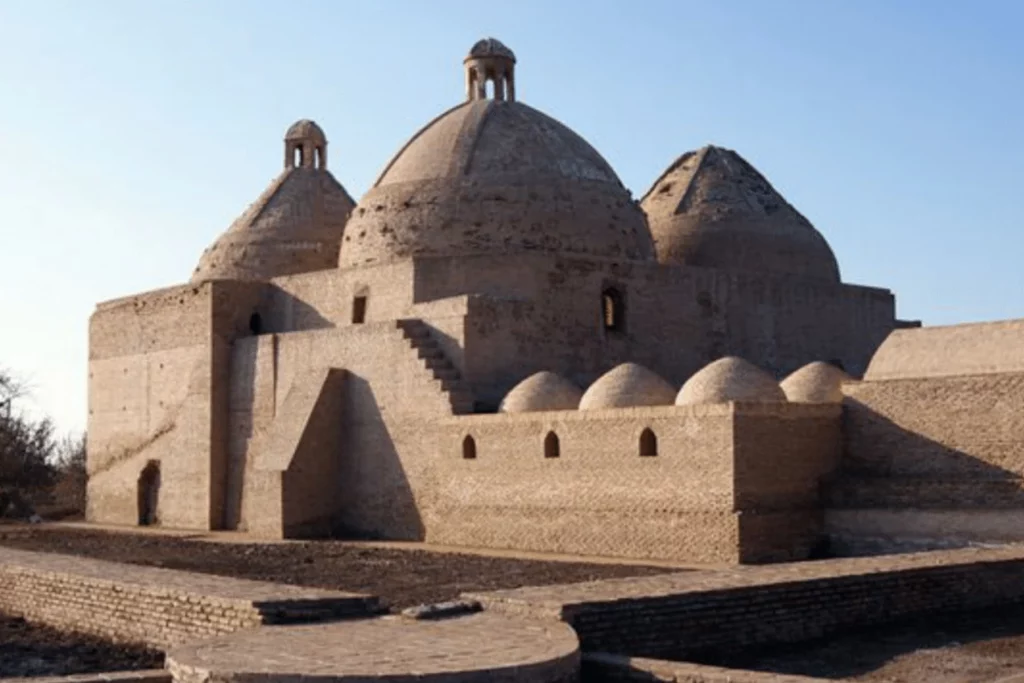
Caravanserai Dayakhatyn ( the 11th century)
The largest caravan serai Dayakhatyn ( Bai-Khatyn ) is a n 11th-12th-century monument of architecture. It stood on the medieval road from Amul’ ( Turkmenabat) to Khoresm.
Lebap Province (Velayat) and Turkmenabad City: A Tapestry of History, Nature, and Modernity in Eastern Turkmenistan
Introduction
IntroductionLebap Province, situated in eastern Turkmenistan along the banks of the Amu Darya River, is a region steeped in Silk Road heritage, natural wonders, and industrial vitality. Its capital, Turkmenabat (formerly Chardzhou), serves as the cultural and economic heart of the province, blending Soviet-era infrastructure with modern development. This review explores Lebap’s unique identity, from its ancient caravanserais to its ecological treasures and urban dynamism.
Lebap Province: Where Desert Meets River
1. Geographic and Ecological Diversity
Lebap spans arid deserts, fertile river valleys, and the rugged Koytendag Mountains. Key natural landmarks include:
Amu Darya River: Central Asia’s lifeline, supporting agriculture and biodiversity.
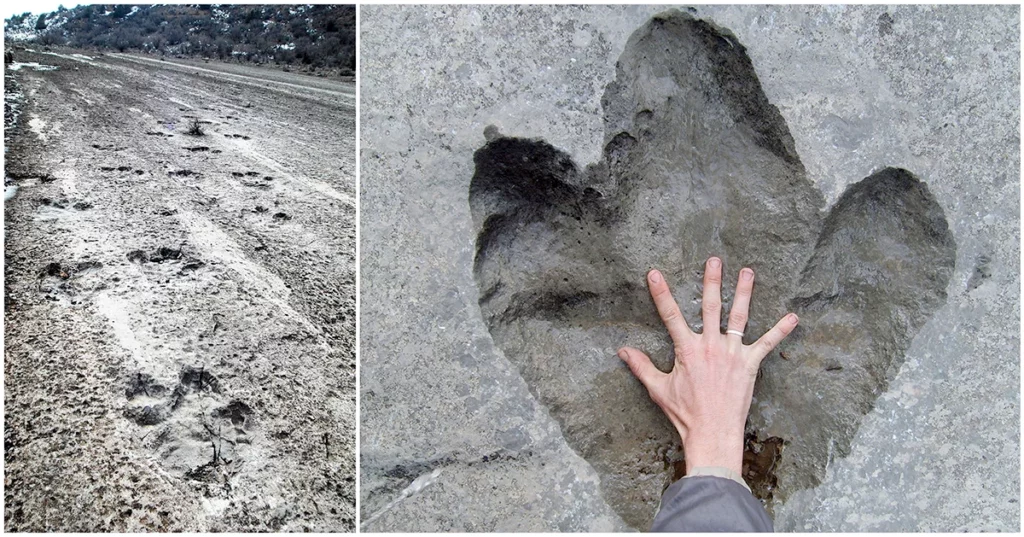
Koytendag Plateau: A UNESCO-recognized geopark featuring the Dinosaur Plateau (over 400 dinosaur footprints) and the Kyrk Gyz Cave, a sacred pilgrimage site.
Repetek Biosphere Reserve: A desert ecosystem known as the “Gateway to Hell’s Heat,” home to rare flora, fauna, and shifting sand dunes.
2. Historical Significance
Lebap’s strategic Silk Road location fostered trade and cultural exchange. Notable sites:
Dayakhatyn Caravanserai: A 12th-century roadside inn near the Uzbek border, showcasing medieval Islamic architecture.
Astana-Baba Mausoleum Complex: A 10th–11th-century site honoring Sufi saints, with intricate brickwork and spiritual resonance.
Farab: Birthplace of philosopher-scientist Al-Farabi (872–950 CE), a symbol of Central Asia’s Golden Age.
3. Cultural Heritage
Traditional Crafts: Lebap is renowned for handwoven carpets, silk textiles, and pottery.
Festivals: The province celebrates Turkmen traditions through events like Melon Day, honoring its agricultural bounty.
4. Economic Drivers
Agriculture: Cotton, melons, and rice thrive in the Amu Darya basin.
Energy: Lebap hosts gas fields and the Seydi Oil Refinery, critical to Turkmenistan’s economy.
Turkmenabad: Eastern Turkmenistan’s Crossroads
1. Urban Profile
Turkmenabad (population ~250,000) is Turkmenistan’s second-largest city and a transport hub linking Uzbekistan, Afghanistan, and Iran.
2. Key Attractions
Amu Darya Bridge: A vital link to Uzbekistan, symbolizing regional connectivity.
Turkmenabat Bazaar: A bustling market offering spices, textiles, and local delicacies like shashlik and plov.
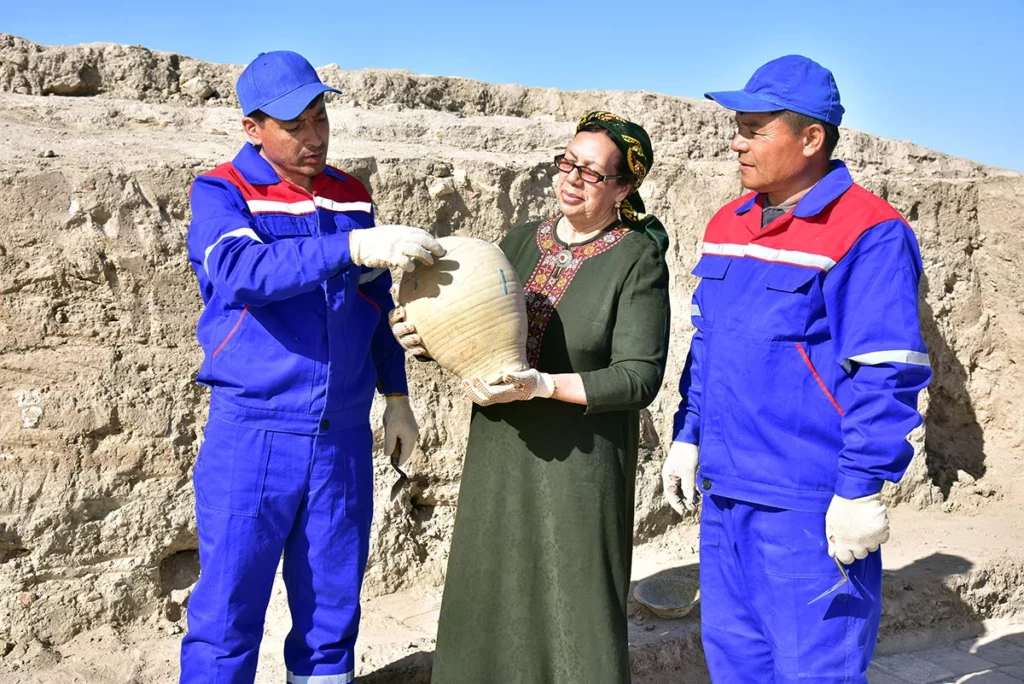
Regional Museum: Exhibits on Lebap’s history, from Bronze Age artifacts to Soviet-era memorabilia.
Independence Park: A green oasis with Soviet-era monuments and modern leisure spaces.
3. Infrastructure and Modernization
Transport Hub: The city’s airport and rail station connect to Ashgabat, Tashkent, and beyond.
Industrial Zone: Factories producing textiles, construction materials, and food products drive the local economy.
4. Challenges and Opportunities
While Turkmenabad thrives as a commercial center, it faces pollution from industrial activity and water scarcity due to Amu Darya overuse. However, eco-tourism initiatives in Koytendag and heritage restoration projects signal a sustainable future.
Lebap’s Tourism Potential
1. Ecotourism in Koytendag
Dinosaur Plateau: A global draw for paleontology enthusiasts.
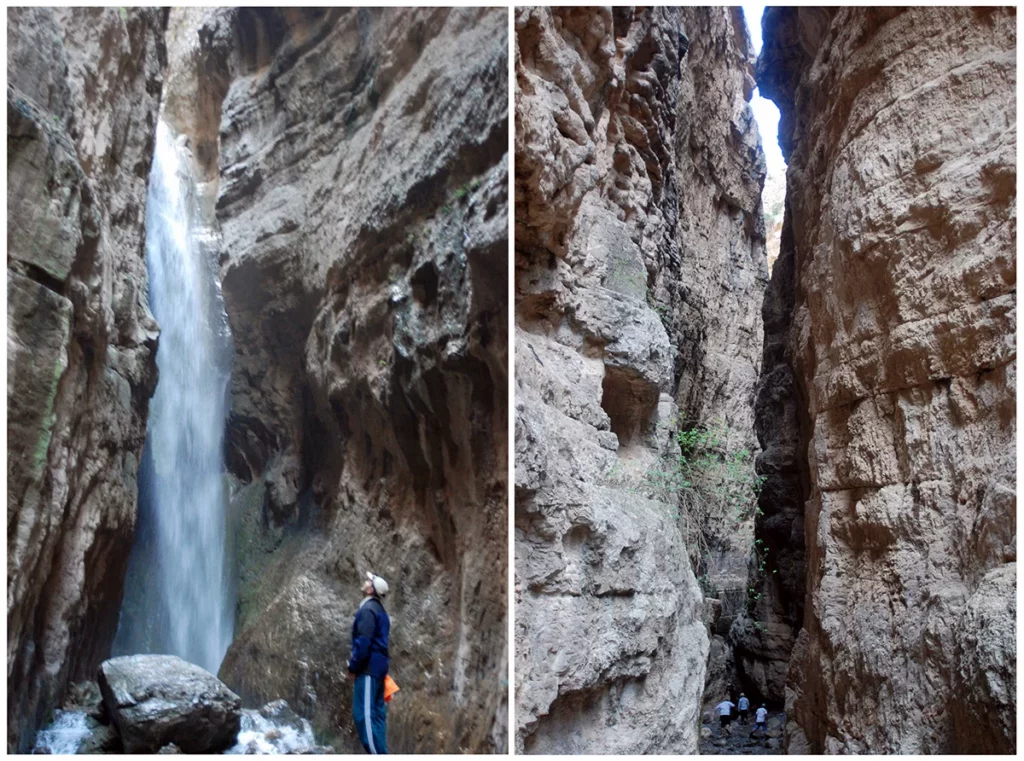
Umbar Dere Canyon: Hiking trails with waterfalls and endemic wildlife.
Yeroyulanduz Lake: A seasonal salt lake attracting migratory birds.
2. Cultural Tourism
Silk Road Trails: Reviving ancient routes through caravanserais and archaeological sites.
Pirs (Sacred Sites): Pilgrimage destinations like Kyrk Gyz Cave blend spirituality with adventure.
3. Adventure Tourism
Desert Safaris: Explore Repetek’s dunes and nocturnal wildlife.
Mountain Trekking: Koytendag’s peaks offer trails for climbers and nature photographers.
Conclusion: Lebap’s Dual Identity
Lebap Province embodies the contrasts of Turkmenistan: ancient and modern, arid and fertile, industrial and untouched. Turkmenabad, with its vibrant markets and strategic importance, anchors the region’s progress, while Lebap’s deserts and mountains whisper tales of caravans and dinosaurs.
Why Visit?
For history buffs: Walk Silk Road paths where scholars and traders once mingled.
For nature lovers: Witness geological marvels like dinosaur footprints and flaming gas craters.
For cultural explorers: Immerse in Turkmen traditions, from carpet-weaving to melon feasts.
Best Time to Visit: Spring (March–May) and autumn (September–November) for mild weather.
Transport: Fly into Turkmenabat Airport or take a train from Ashgabat (10–12 hours).
Lebap remains one of Turkmenistan’s least explored regions, offering authenticity and adventure far from the tourist trail. As the country opens to international tourism, this eastern gem promises to captivate travelers seeking the soul of Central Asia. 🌄🐪
OUR VISION
At “Stan Holidays”, we envision a world where travelers can discover the beauty and diversity of Central Asia while fostering mutual understanding and respect between cultures. We strive to be the leading travel agency in Turkmenistan, known for our exceptional service, deep local knowledge, and dedication to creating meaningful travel experiences.
Join us at “Stan Holidays” and let us take you on a journey through Turkmen wonders. Whether it’s your first visit or a return trip, we promise an adventure that will stay with you forever.