

- Home
- Destination
- Mary
- Merv
- Sultan Kala
Explore The Sultan Kala With Us
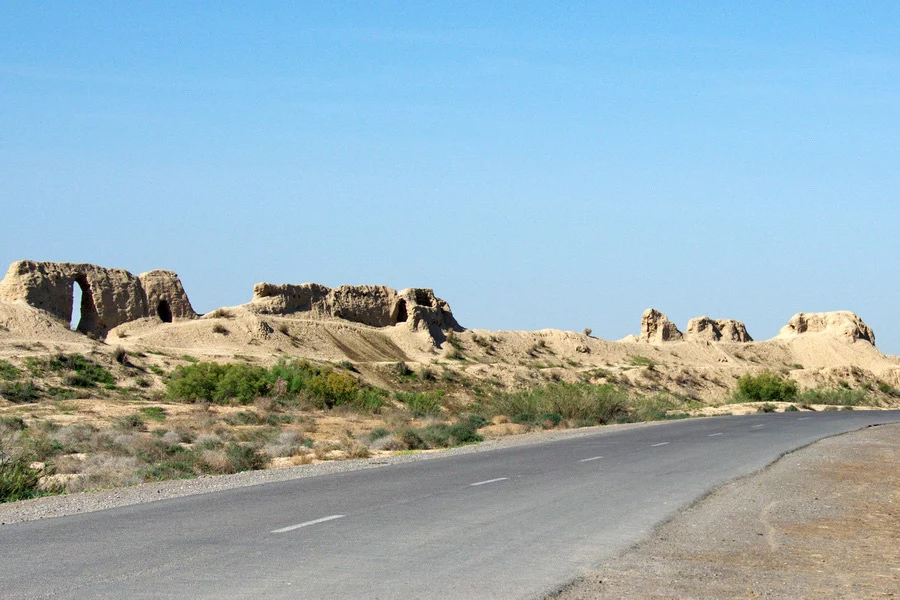
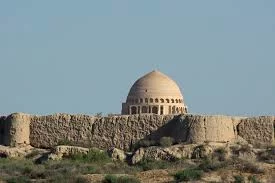
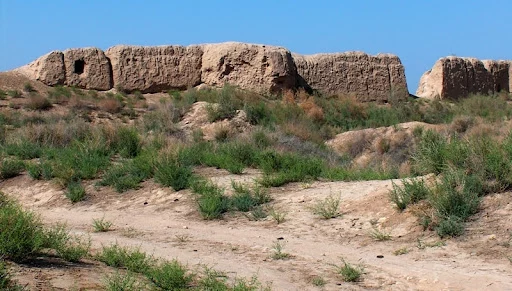
Review: Sultan-Kala, Merv – The Crown Jewel of the Seljuk Empire
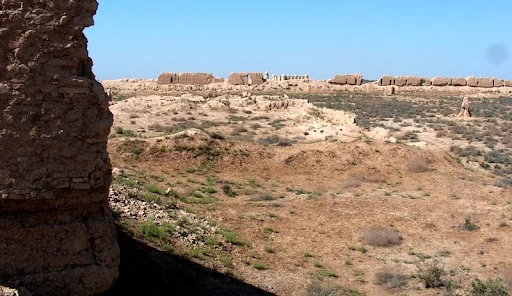
Nestled in the sun-scorched plains of modern-day Turkmenistan, Sultan-Kala (Fortress of Sultans) stands as a monumental relic of the Great Seljuk Empire’s golden age. Once the thriving capital of a realm stretching from the Mediterranean to the Amu Darya, this UNESCO World Heritage Site encapsulates the grandeur, ingenuity, and cosmopolitan spirit of a city that rivaled Baghdad and Constantinople in its 12th-century zenith.
Historical Significance
In 1040, Merv ascended to prominence as the Seljuk capital under Sultan Melik-Shah, whose vision transformed it into a global powerhouse. By the 12th century, it burgeoned into one of the largest cities in the world, with estimates suggesting a population nearing 500,000—a marvel of urban planning and multicultural exchange. Encircled by formidable walls and a protective moat spanning over 400 hectares, Sultan-Kala became the administrative, military, and cultural heart of an empire that bridged East and West.
The city’s fate, however, was sealed by the Mongol invasion of 1221, which reduced its splendor to ruins. Yet, its legacy endures in the sprawling archaeological site, where echoes of caravans, scholars, and sultans linger.
Architectural Mastery
The Shahriyar Ark Citadel, a 20-hectare fortress in Sultan-Kala’s northeastern quadrant, epitomizes Seljuk military and architectural prowess. Built in the 11th–12th centuries, its irregular square layout—defying rigid symmetry—boasted 70 defensive towers and walls of sunbaked brick (27x27x6 cm), once towering 10 meters high and 3 meters thick. Today, weathered remnants of barracks, stables, and elite residences hint at its dual role as a fortified command center and a hub of governance.
At its heart lay the Seljuk palace complex, where a vast reception hall hosted imperial decrees and diplomatic envoys. Nearby, the enigmatic Kepderhana structure—possibly a library or administrative archive—underscores the citadel’s intellectual vibrancy. Though Sultan Sanjar’s palace lies in ruins nearby, its connection to his famed mausoleum (reviewed separately) weaves a narrative of power and piety.
A City of Contrasts
Sultan-Kala was more than a fortress; it was a microcosm of Seljuk society. The citadel’s northeastern quadrant housed opulent gardens and residences for elites, while artisans, traders, and soldiers thrived in the bustling lower city. Advanced irrigation systems sustained lush gardens and public baths, reflecting a sophistication that drew poets, scientists, and theologians to its gates.
Legacy and Exploration
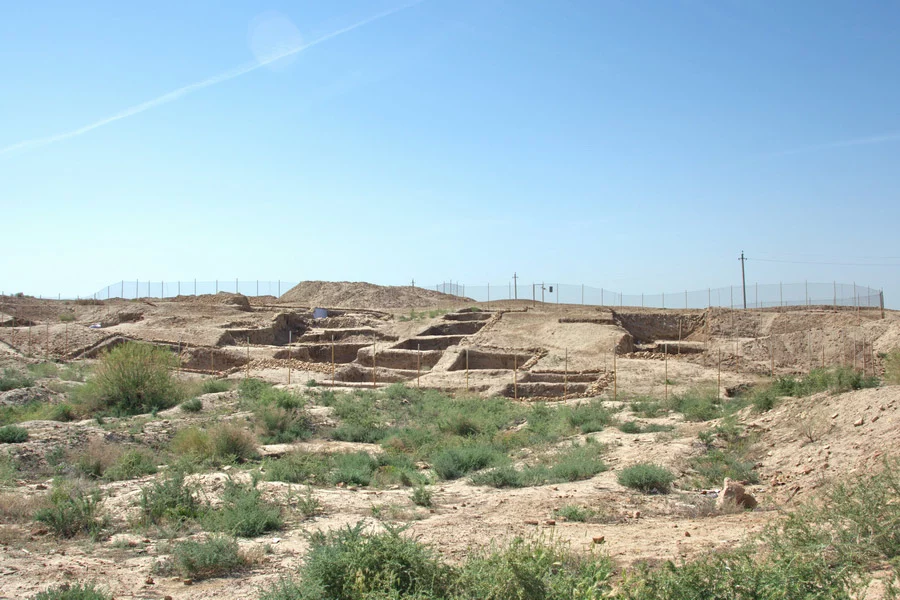
Despite Mongol devastation, Sultan-Kala’s ruins remain a testament to Seljuk innovation. UNESCO lauds the site as a crossroads of Silk Road commerce, Zoroastrian heritage, and Islamic scholarship. Recent excavations continue to unveil treasures, from intricate ceramics to fragments of poetry etched in tile.
For modern visitors, wandering Sultan-Kala is a journey through time:
– Shahriyar Ark: Climb its eroded ramparts for panoramic views of the citadel’s strategic layout.
– Kepderhana: Ponder its mysterious past amid crumbled arches and shadowed corridors.
– City Walls: Trace the 12 km perimeter, marveling at engineering designed to withstand sieges and earthquakes.
Sultan-Kala is not merely a collection of ruins but a symbol of resilience. Its crumbling bricks whisper tales of empires risen and fallen, of scholars debating in madrasas, and of Silk Road caravans laden with spices and silk. For history enthusiasts, it offers a visceral connection to an era when Merv stood as a beacon of civilization.
Visitor Tips:
– Guided Tours: Local experts bring the citadel’s history to life, decoding its strategic design and Seljuk symbolism.
– Timing: Visit at dawn or dusk to avoid midday heat and capture the site’s haunting beauty in golden light.
– Combine: Pair with nearby marvels like the Askhab Aivans and Sultan Sanjar’s Mausoleum for a full immersion into Merv’s legacy.
In Sultan-Kala, the Seljuk Empire’s spirit endures—a reminder that even in ruins, greatness persists.
OUR VISION
At “Stan Holidays”, we envision a world where travelers can discover the beauty and diversity of Central Asia while fostering mutual understanding and respect between cultures. We strive to be the leading travel agency in Turkmenistan, known for our exceptional service, deep local knowledge, and dedication to creating meaningful travel experiences.
Join us at “Stan Holidays” and let us take you on a journey through Turkmen wonders. Whether it’s your first visit or a return trip, we promise an adventure that will stay with you forever.