


- Home
- Destination
Explore The Destination With Us
TURKMENISTAN: THE ENIGMATIC HEART OF THE SILK ROAD
Turkmenistan, a Central Asian country bordered by Kazakhstan, Uzbekistan, Iran, Afghanistan, and the Caspian Sea, is a land of stark beauty, rich history, and unique cultural heritage. Often overlooked by mainstream tourism, this Central Asian gem offers an off-the-beaten-path experience for travelers seeking adventure, history, and a glimpse into a fascinating, lesser-known part of the world.
The strategic location of Turkmenistan along the ancient Silk Road has left a legacy of historical significance, by making it a crucial crossroads for trade, culture, and ideas between the East and West.
Why Turkmenistan?
Untouched Authenticity
Escape crowded tourist trails and explore a destination brimming with cultural authenticity.
UNESCO Wonders
Discover three UNESCO World Heritage Sites, echoing the legacy of the silk road.
Natural Oddities
Witness landscapes that defy imagination – burning gas craters, rainbow-colored canyons, and serene deserts.
TOP EXPERIENCES IN TURKMENISTAN
Cultural and Historical Attractions
The ancient cities of Merv, old Nissa and Konye-Urgench were key stops for merchants, scholars, and travelers, facilitating the exchange of goods like silk, spices, and precious metals, as well as knowledge and religion. Today, the remnants of these cities stand as testaments to Turkmenistan’s historical importance and its role in shaping the cultural and economic landscape of Eurasia.
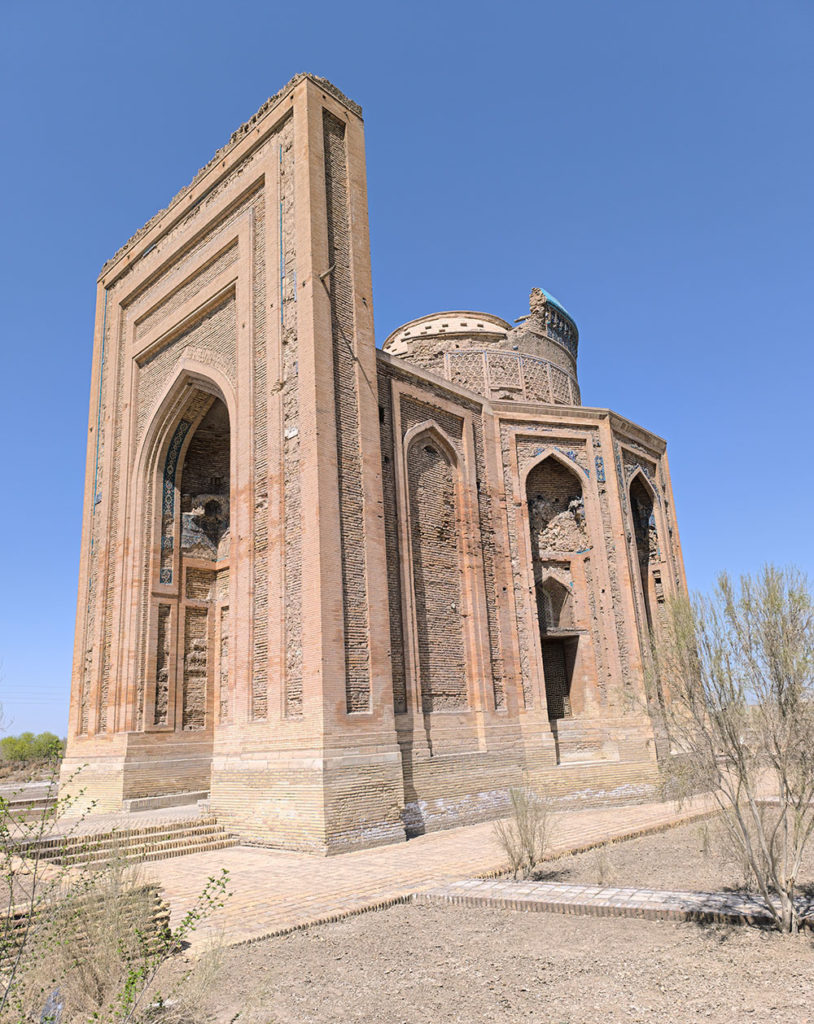
Konye-Urgench:
Another UNESCO-listed site, this ancient city was a thriving center of Islamic learning and culture. The remains of mausoleums, minarets, and mosques, such as the iconic Kutlug Timur Minaret, showcase the architectural brilliance of the region.
Merv:
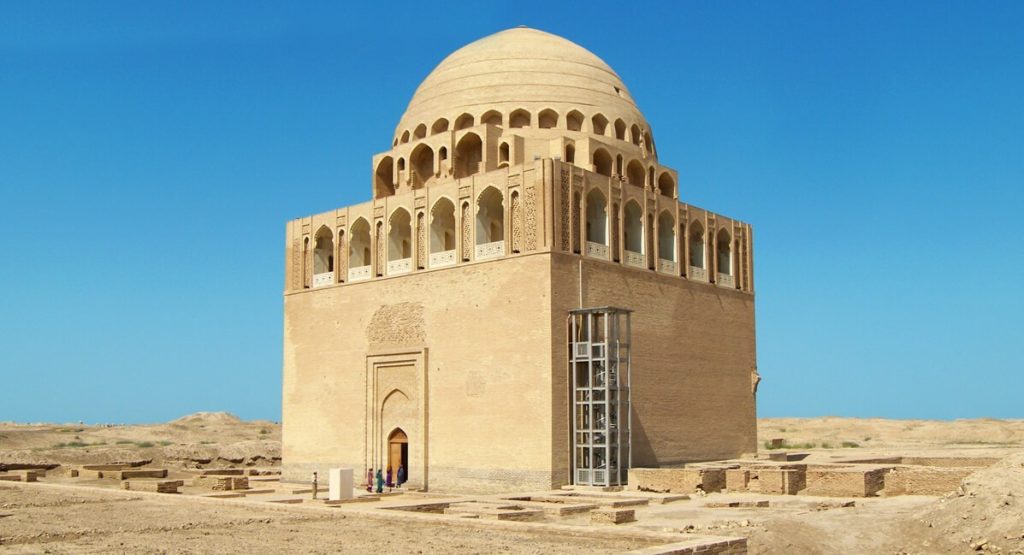
One of the oldest and most significant cities of the Silk Road, Merv is a UNESCO World Heritage Site. Once a major hub for trade, culture, and religion, it boasts ruins of ancient fortresses, mosques, and mausoleums. The site offers a glimpse into the grandeur of the past, with structures dating back to the 6th century.
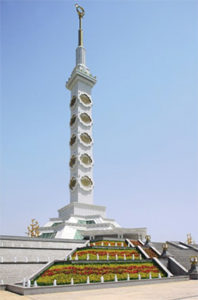
Turkmenistan’s capital, Ashgabat, is known for its extravagant architecture and vast use of white marble. The city holds a Guinness World Record for the highest density of marble buildings. Key attractions include:
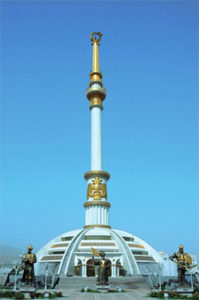
A symbol of Turkmenistan’s sovereignty.
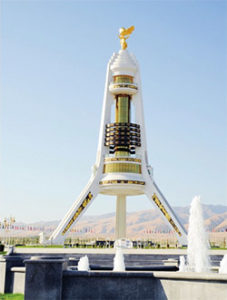
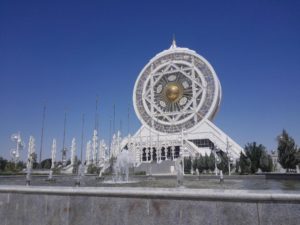
Home to the world’s largest indoor Ferris wheel.
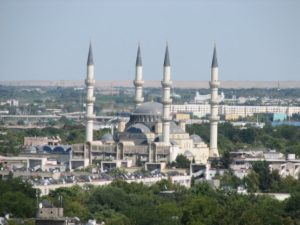
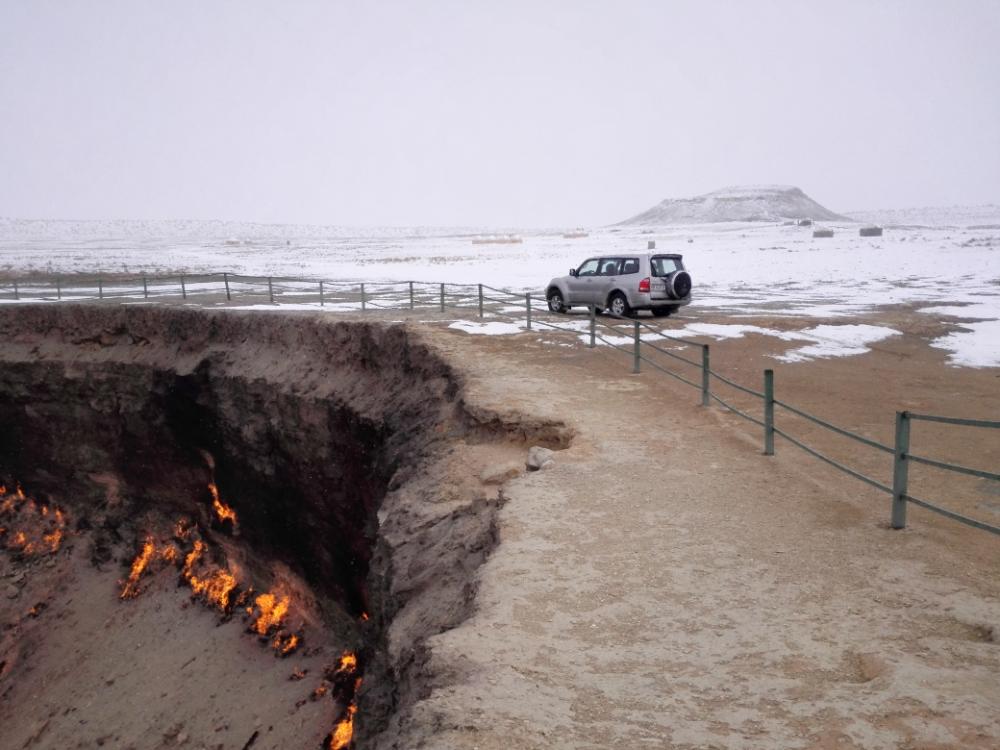
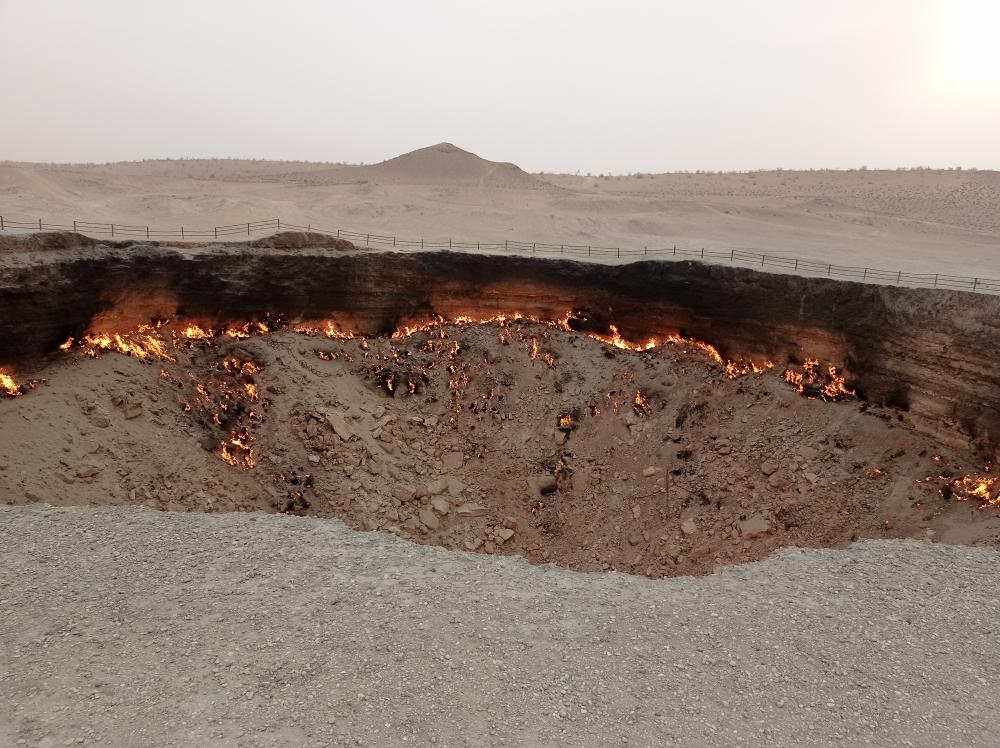
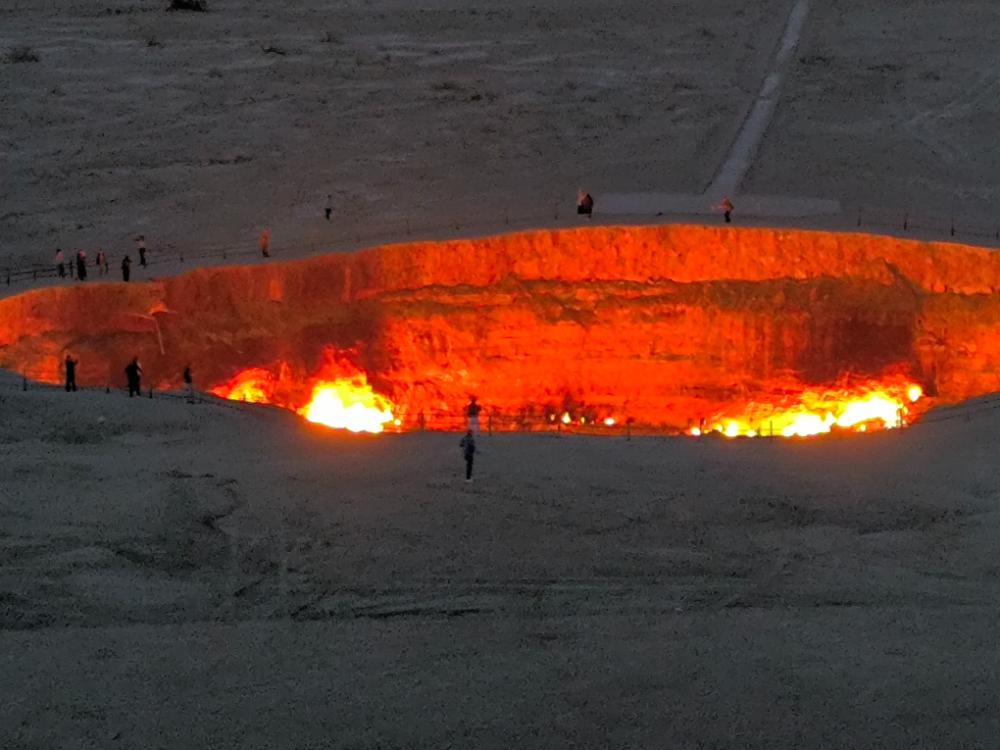
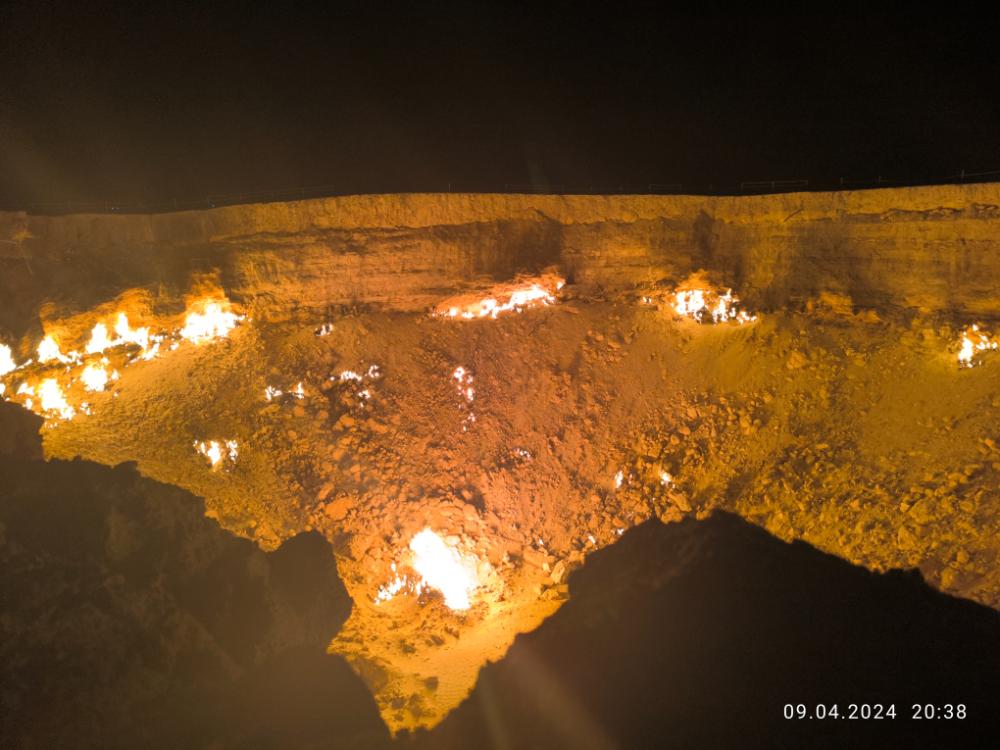
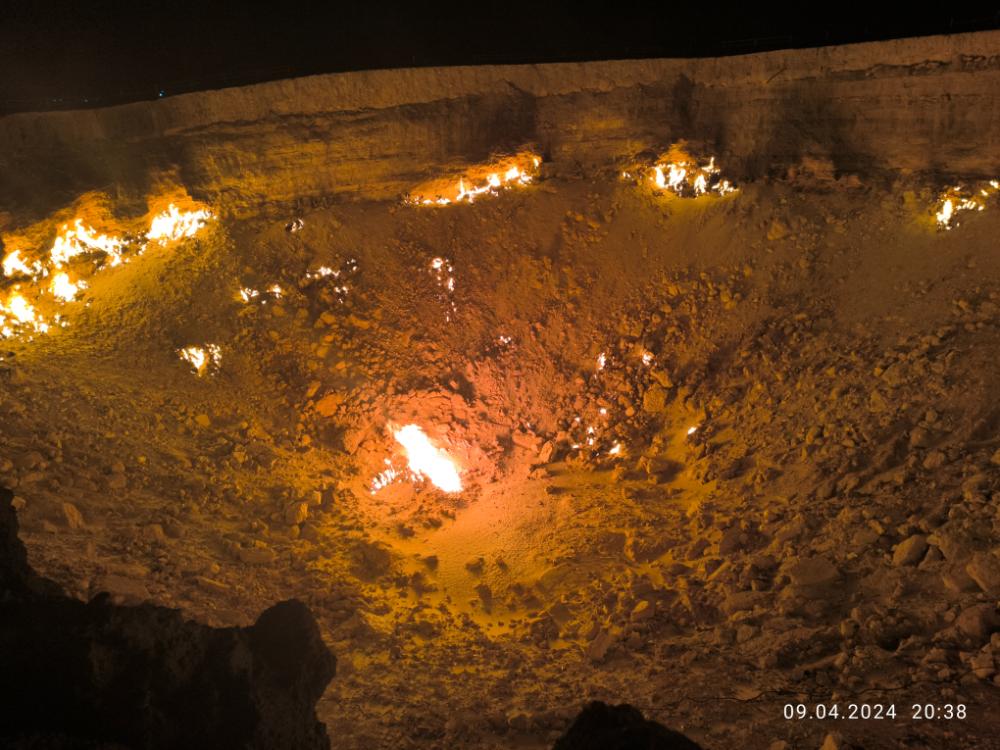
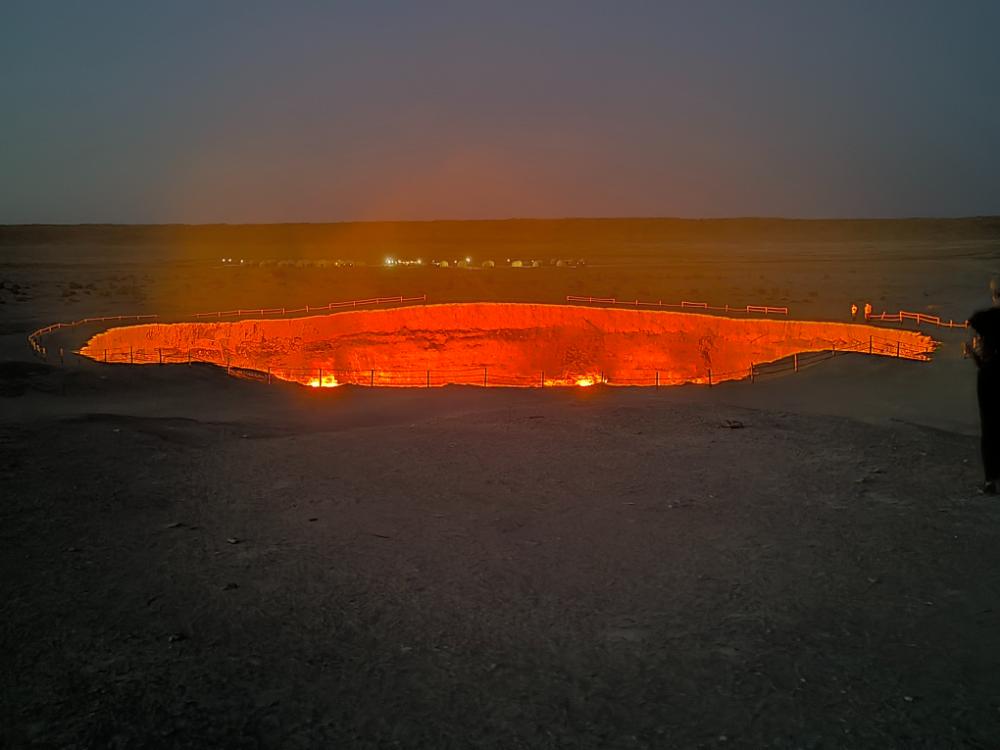
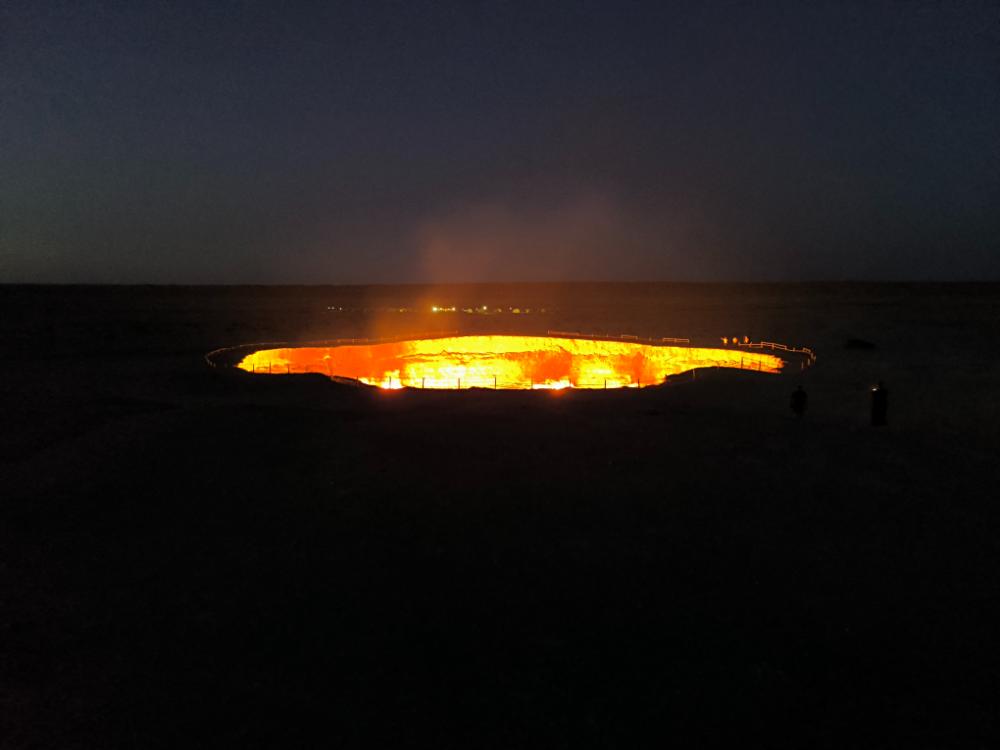
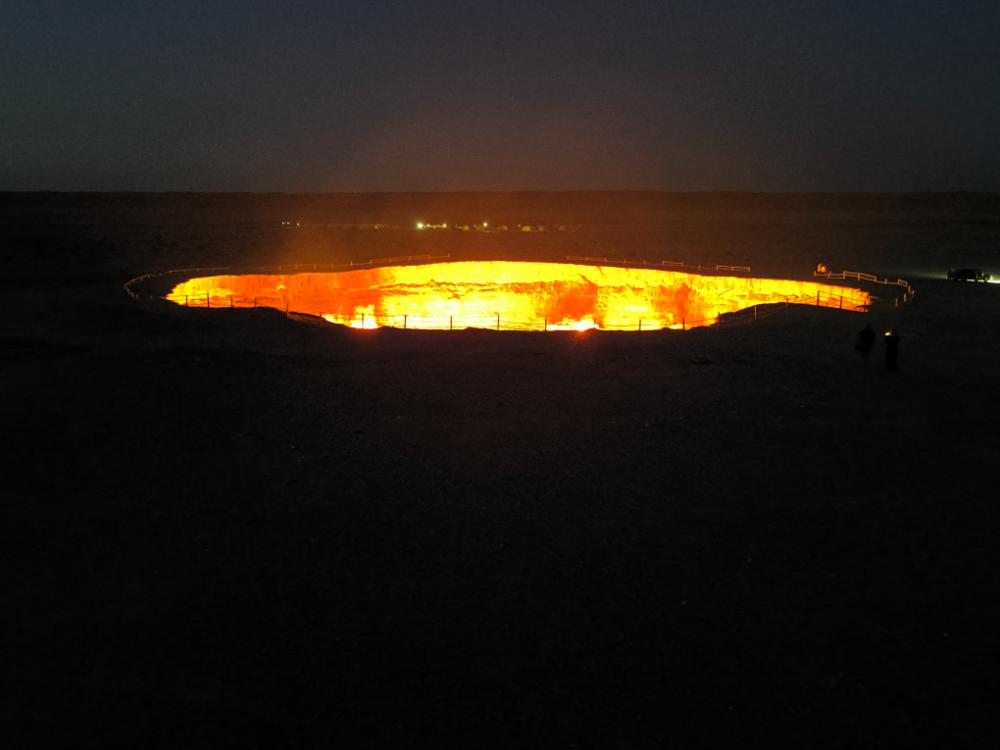
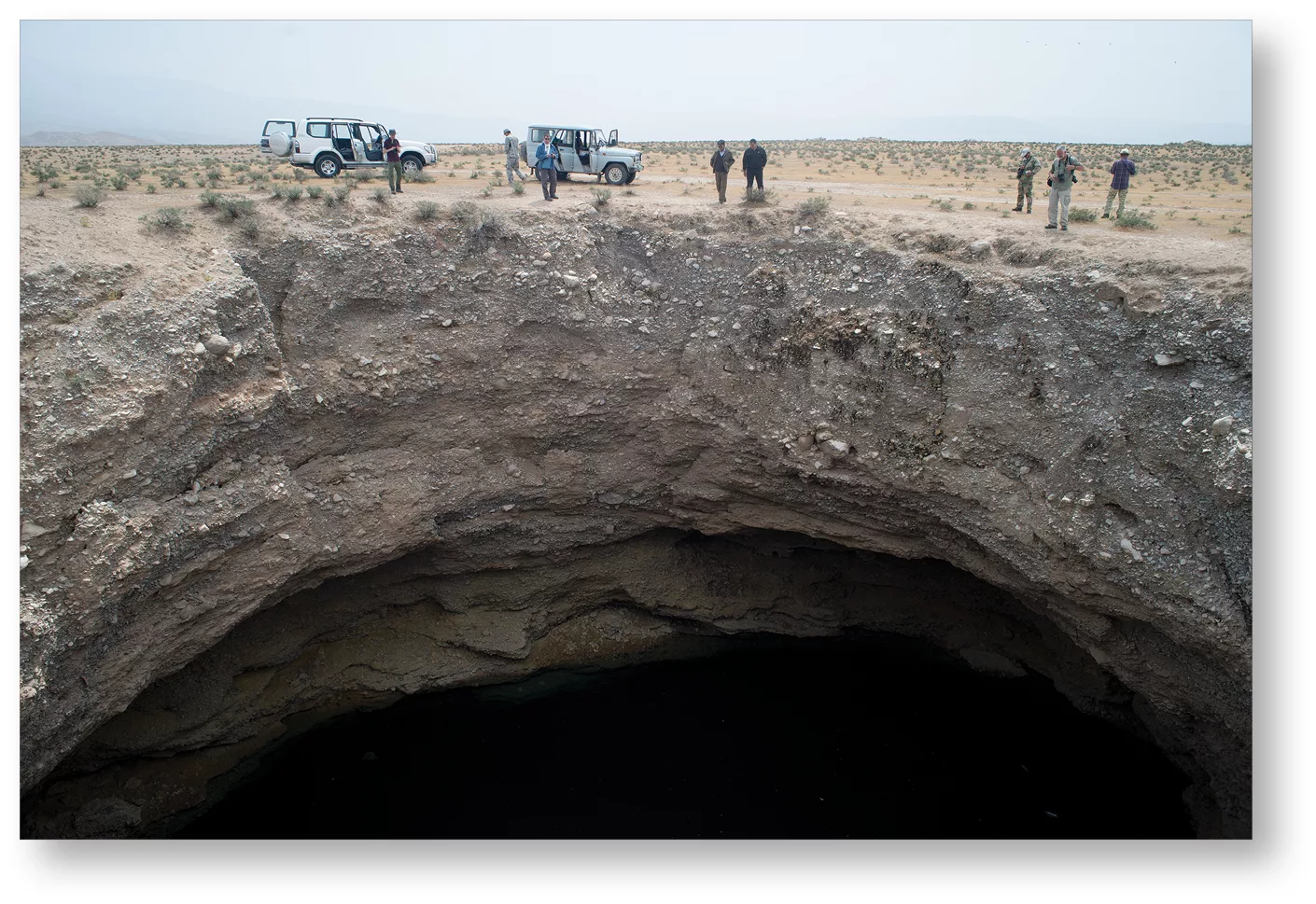
One of Turkmenistan’s most surreal attractions, the Darvaza Gas Crater is a natural gas field that has been burning continuously since 1971. Located in the Karakum Desert, this fiery crater is a must-see for adventurous travelers.
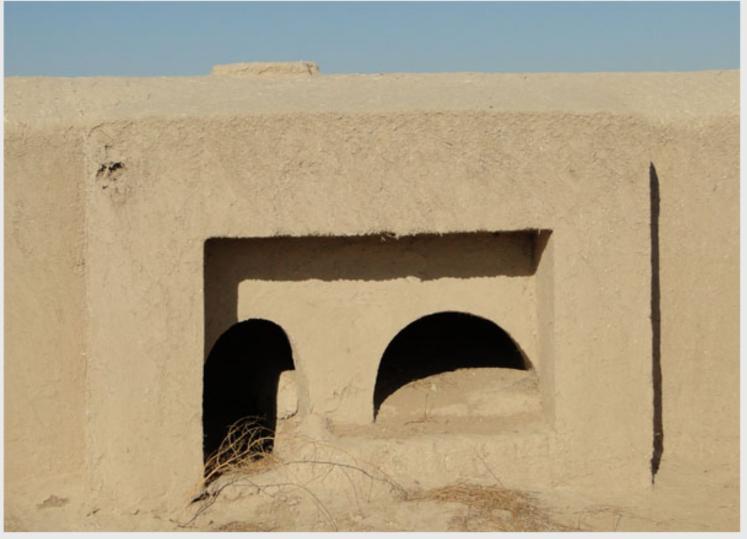
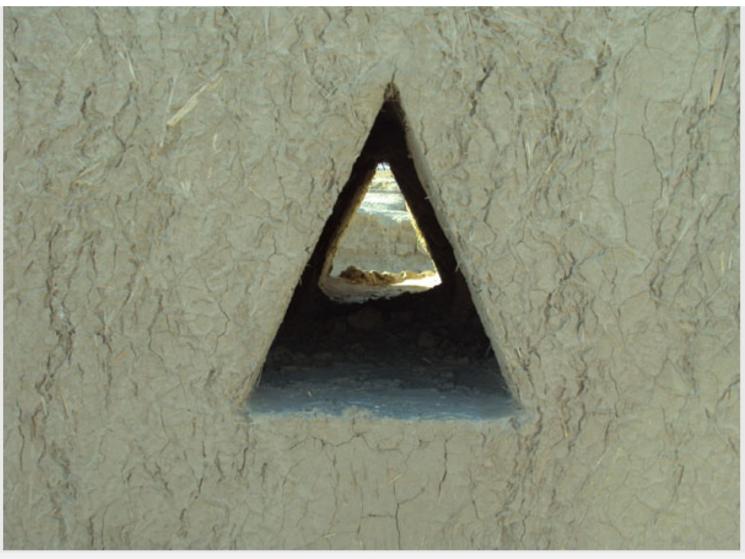
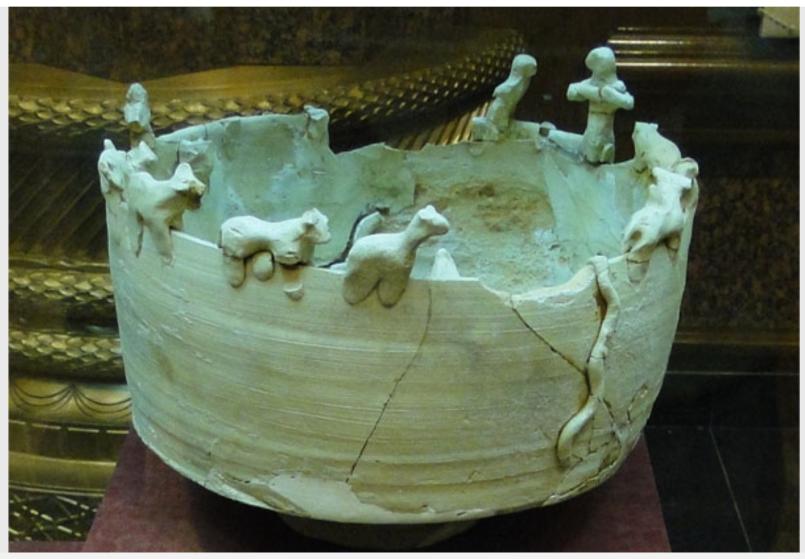
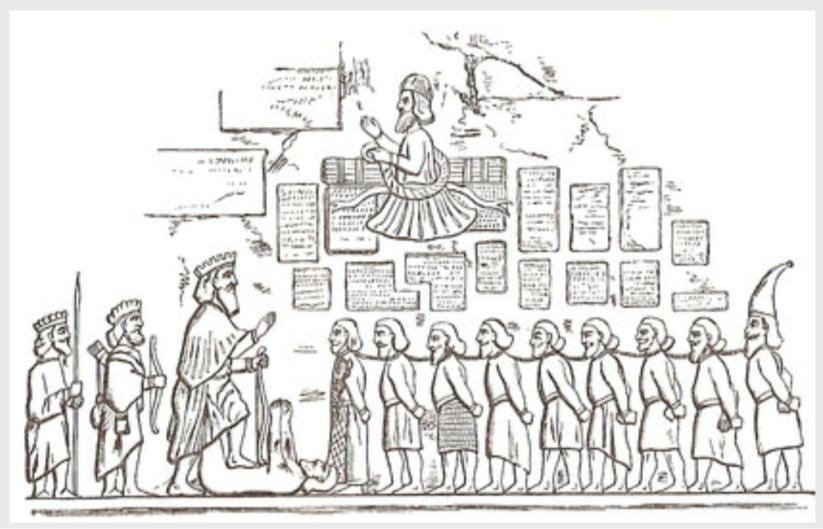
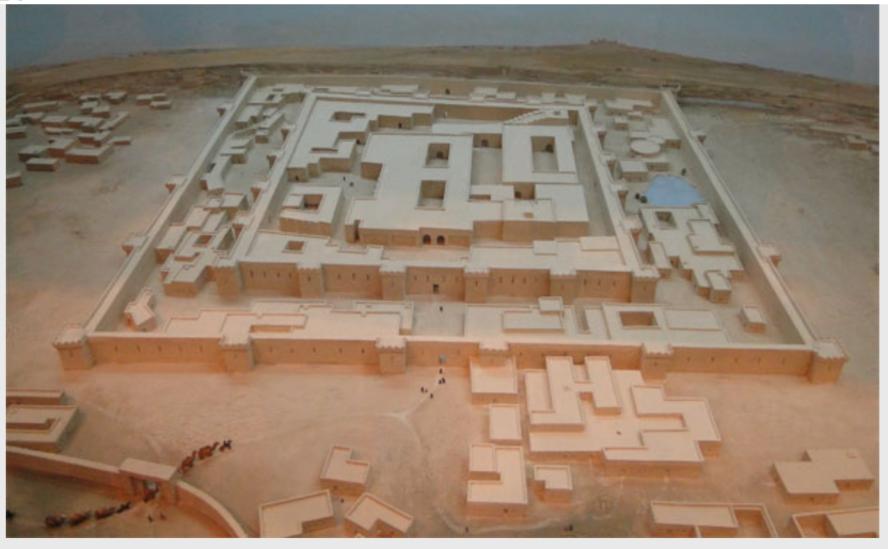
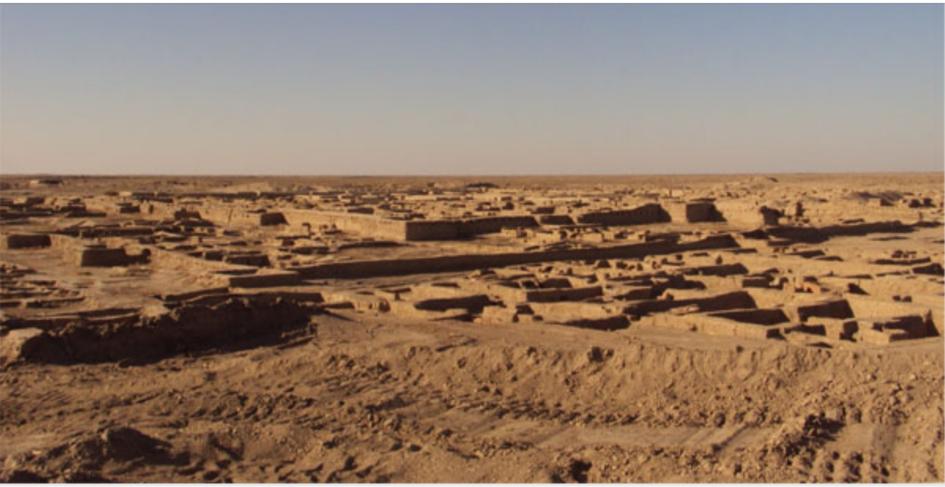
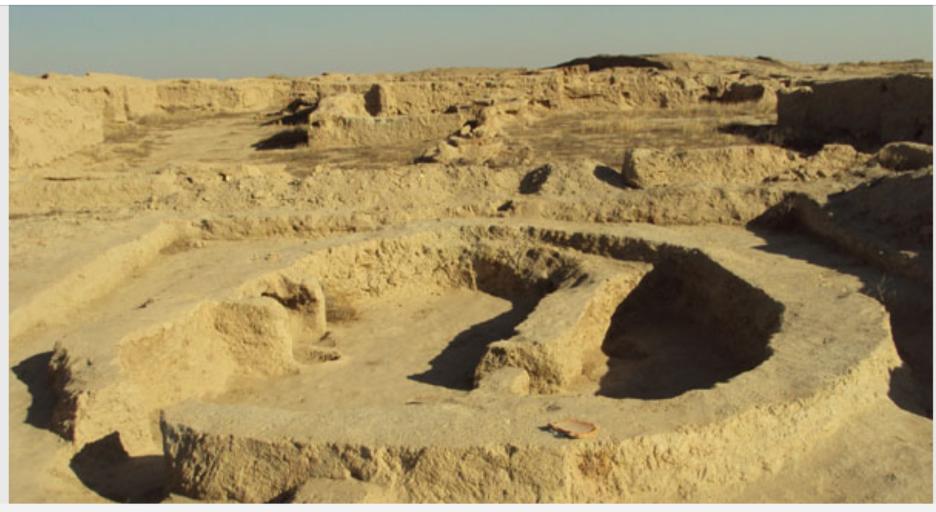
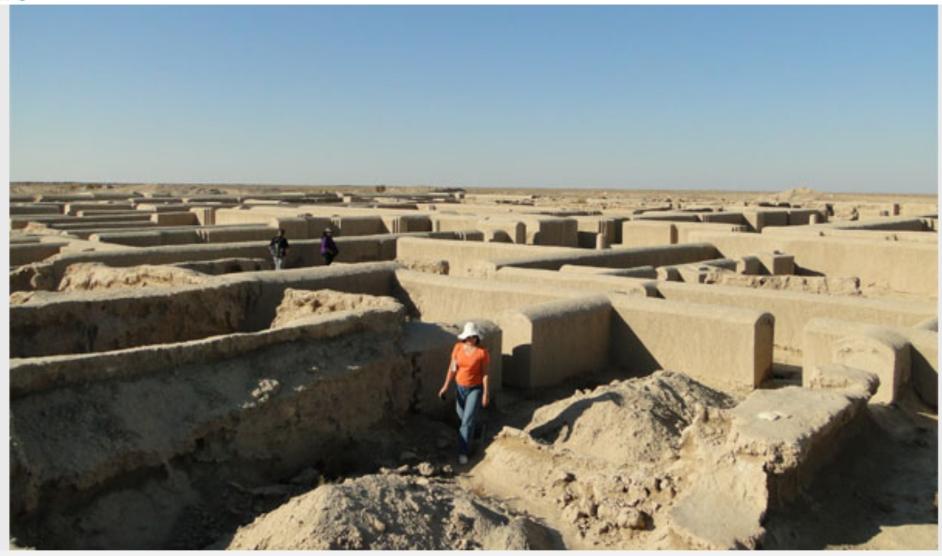
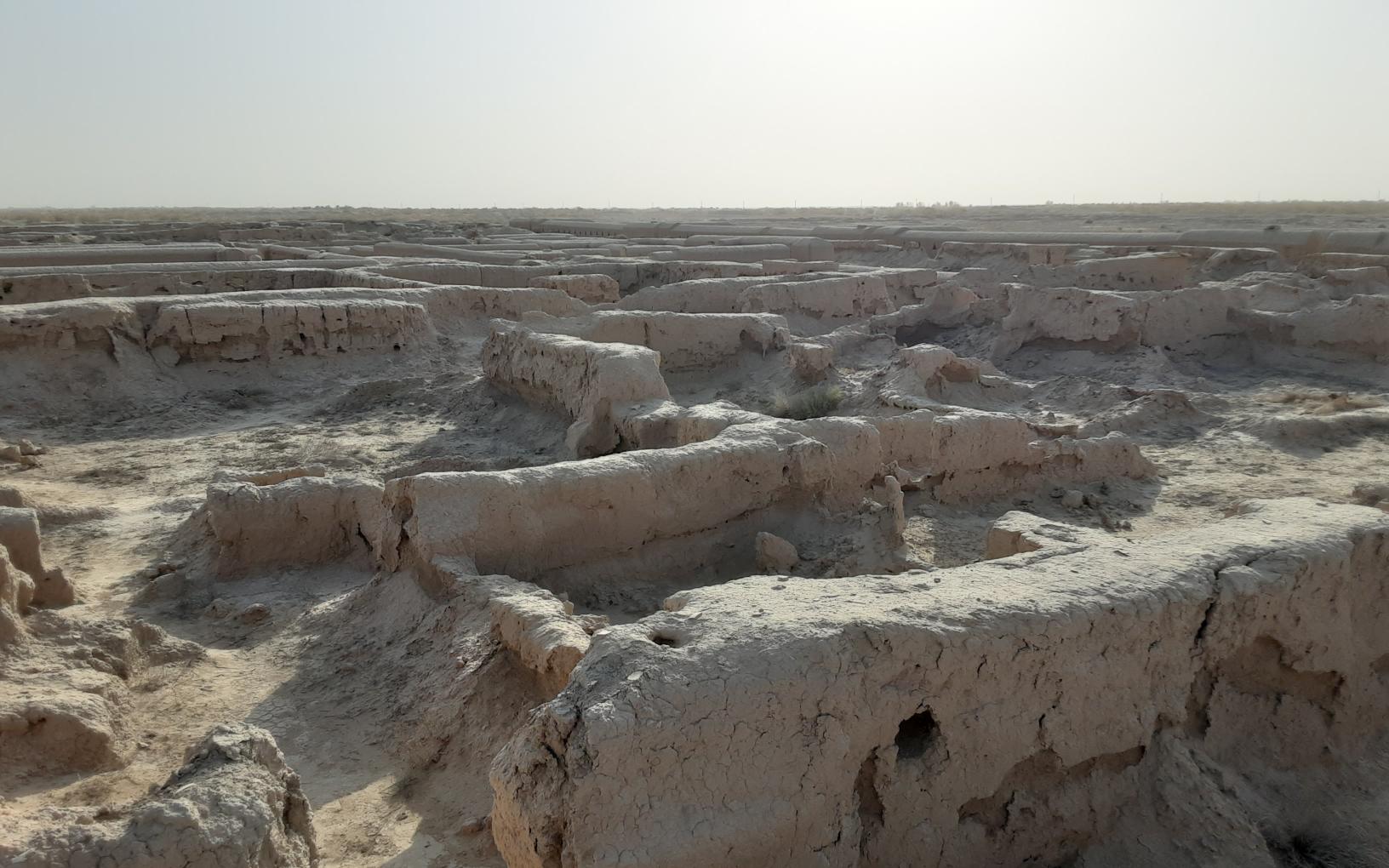
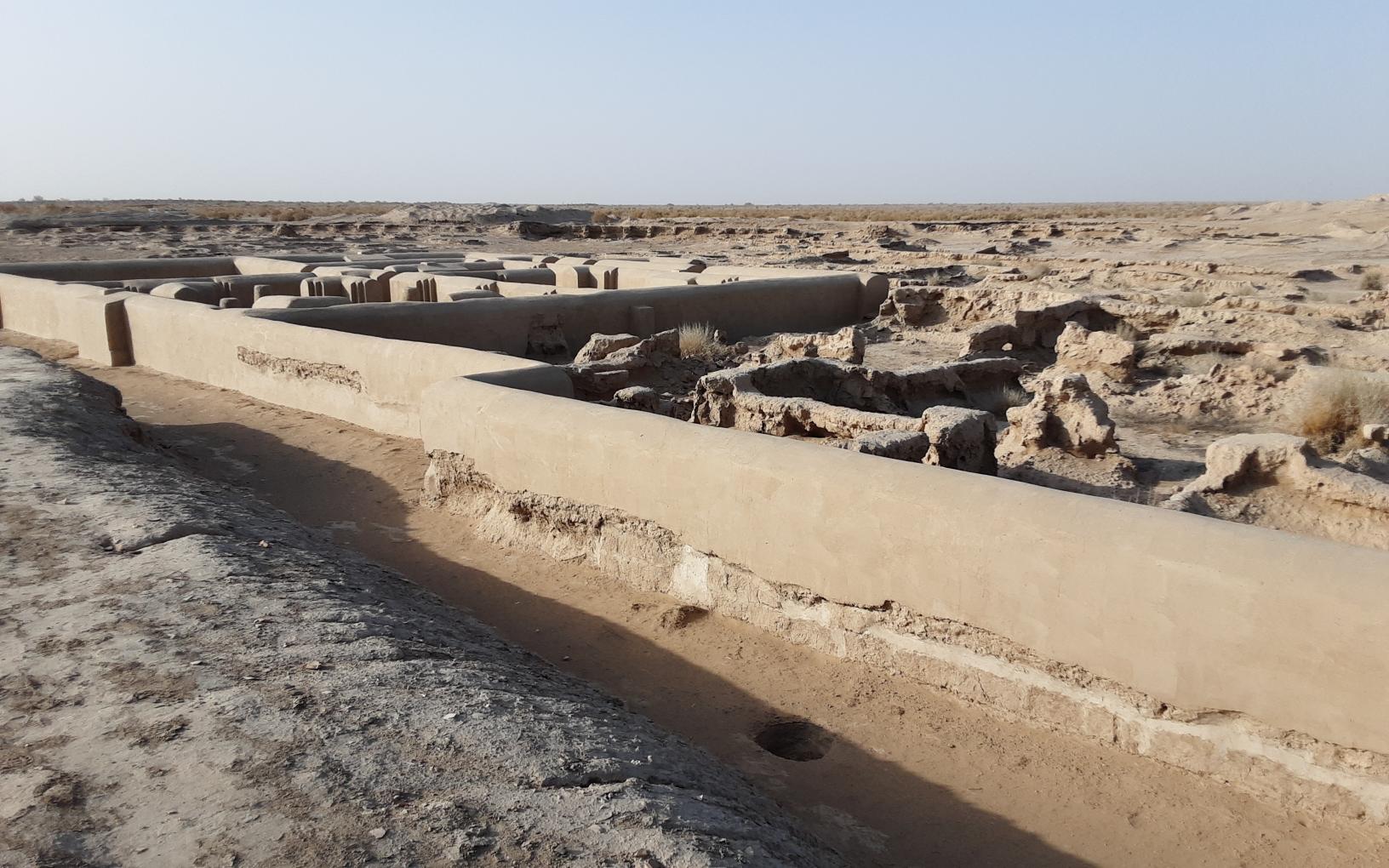
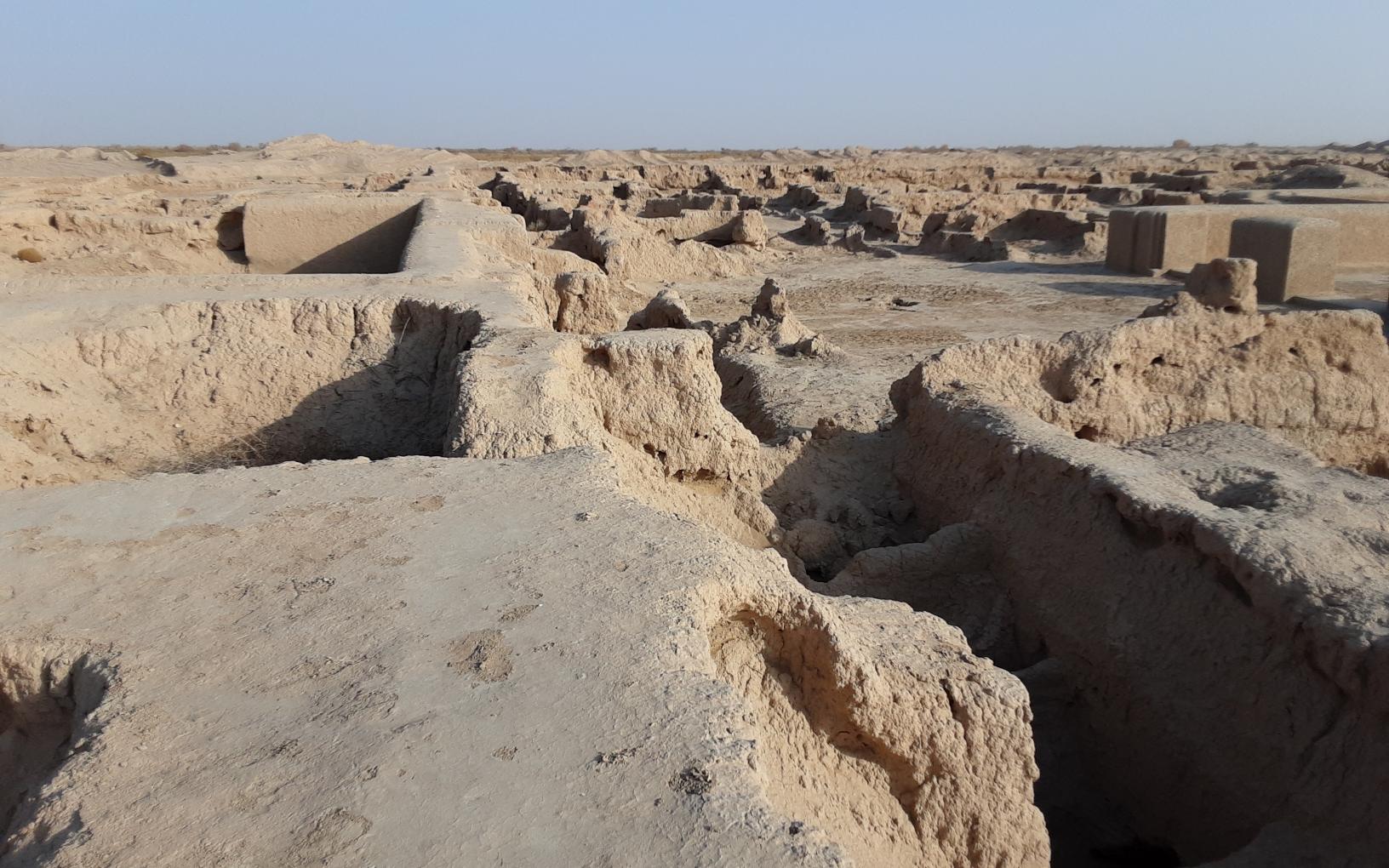
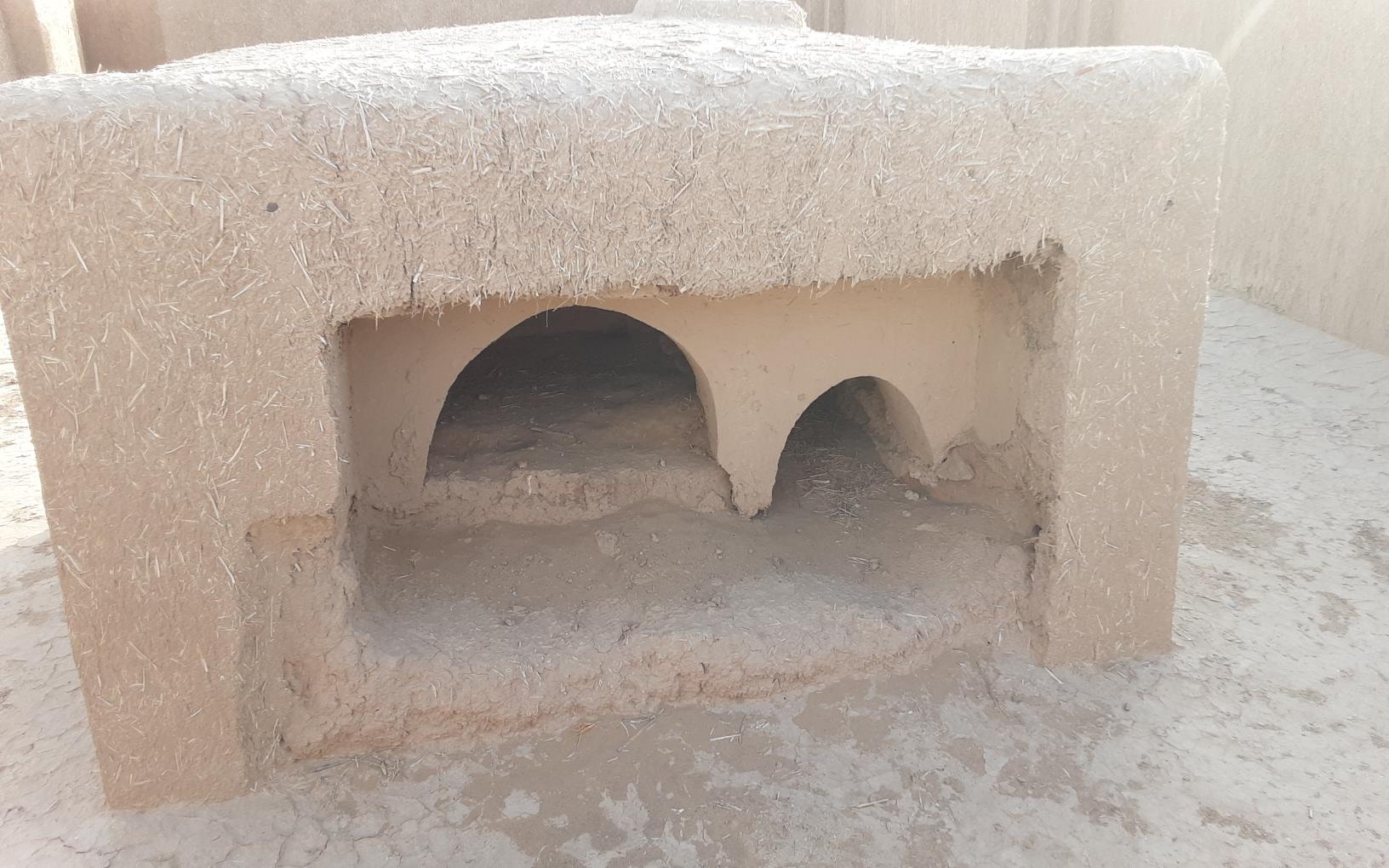
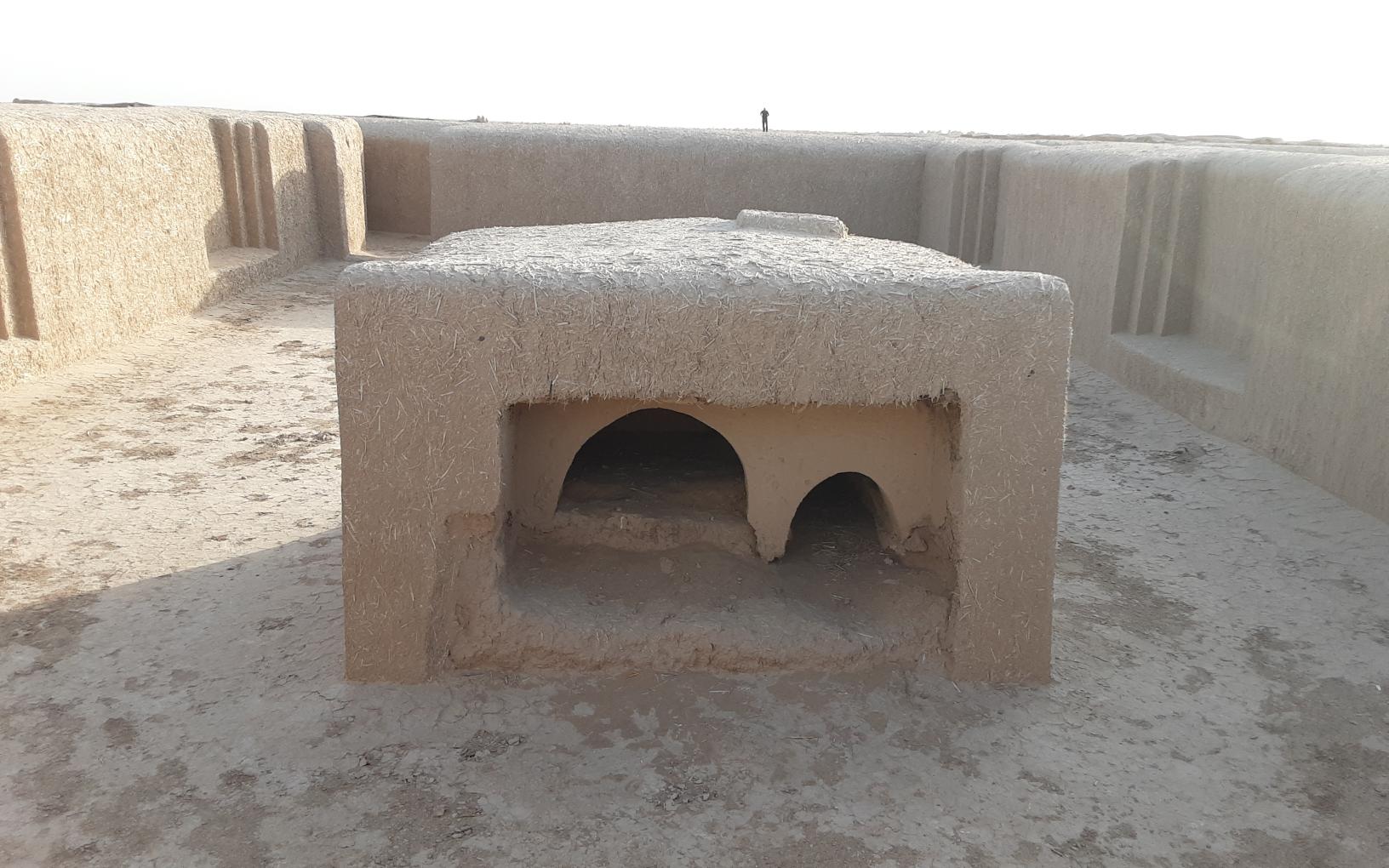
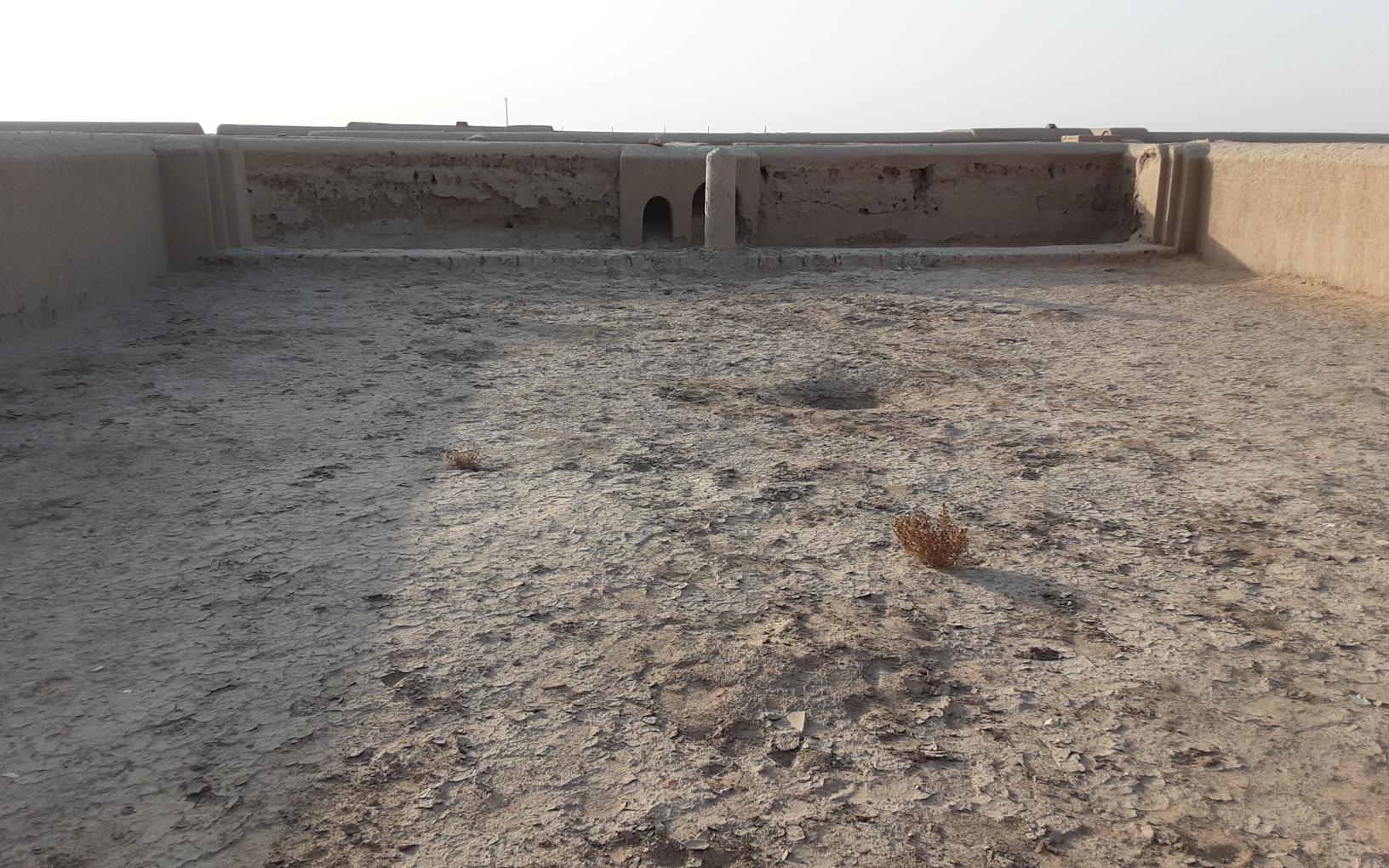
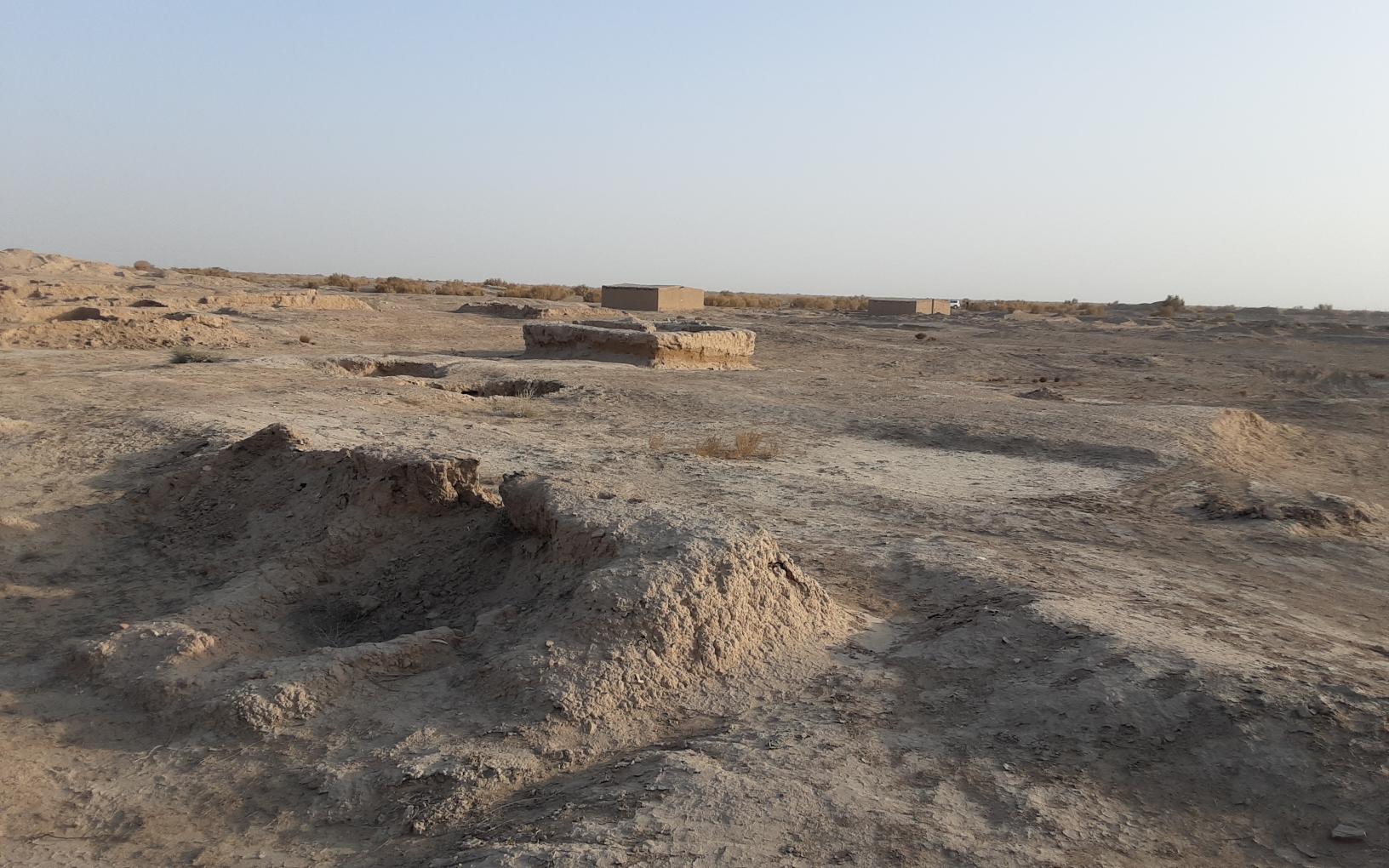
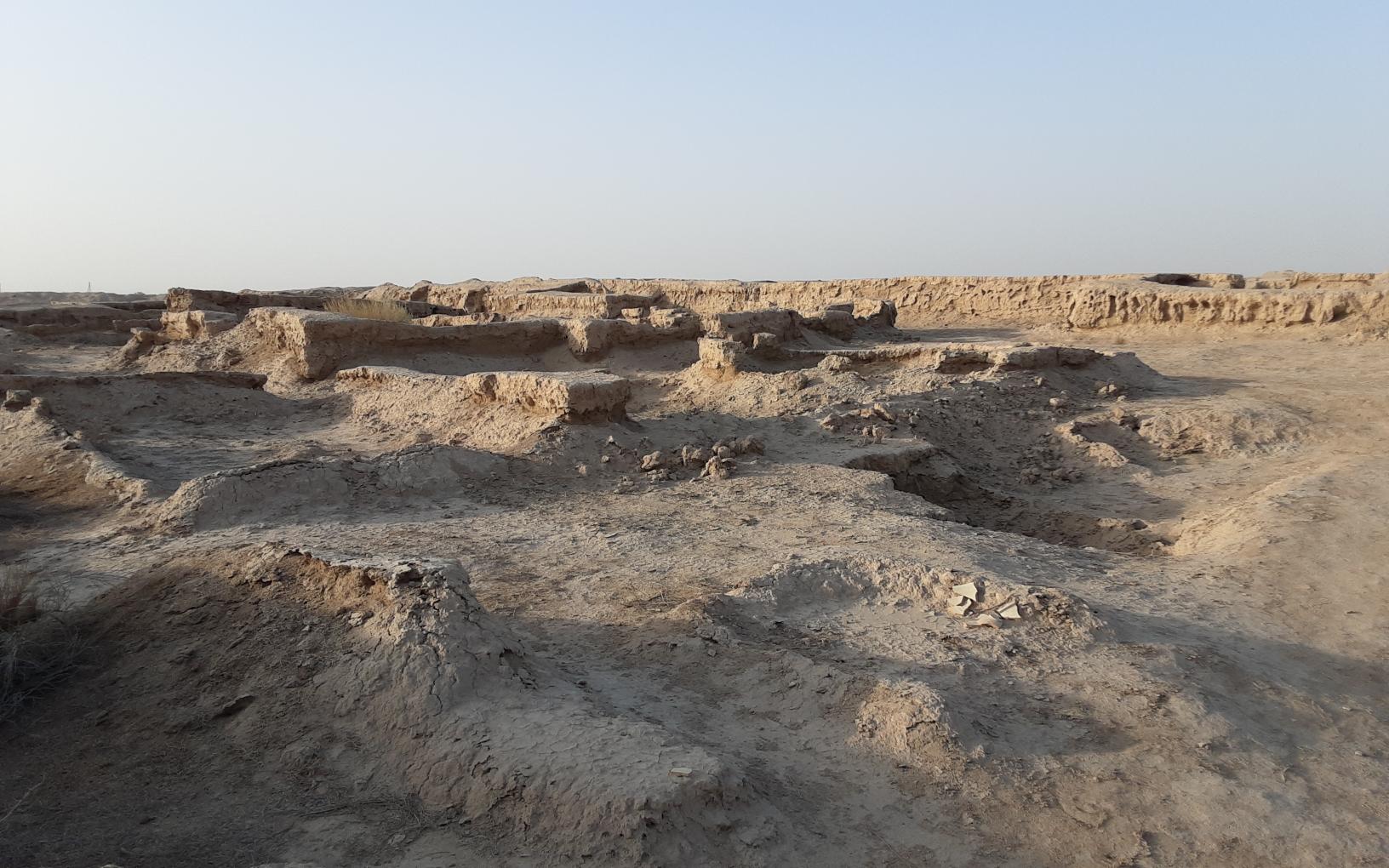
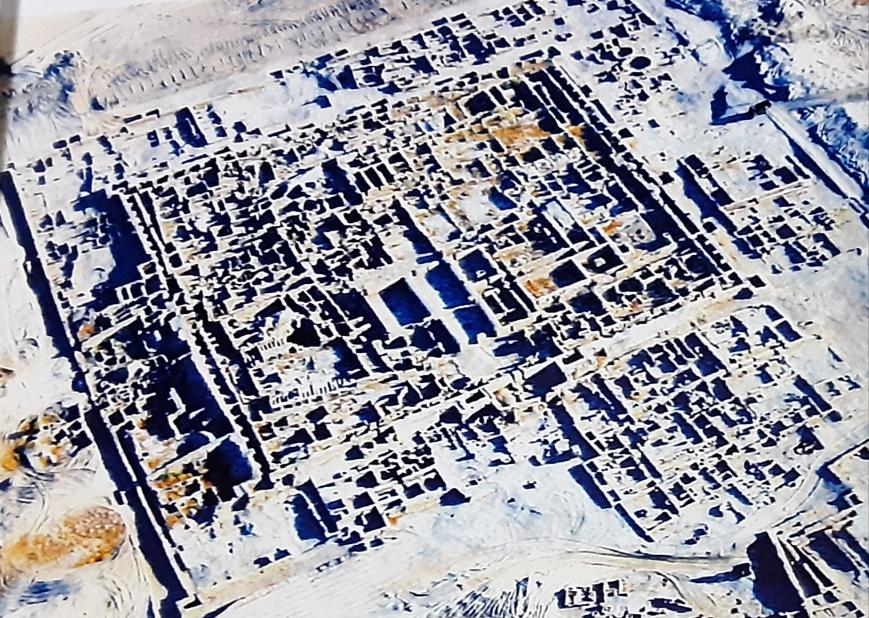
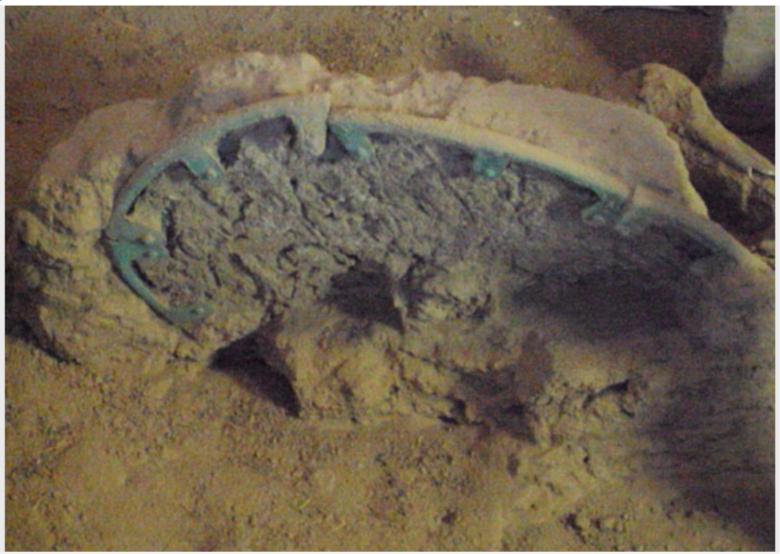
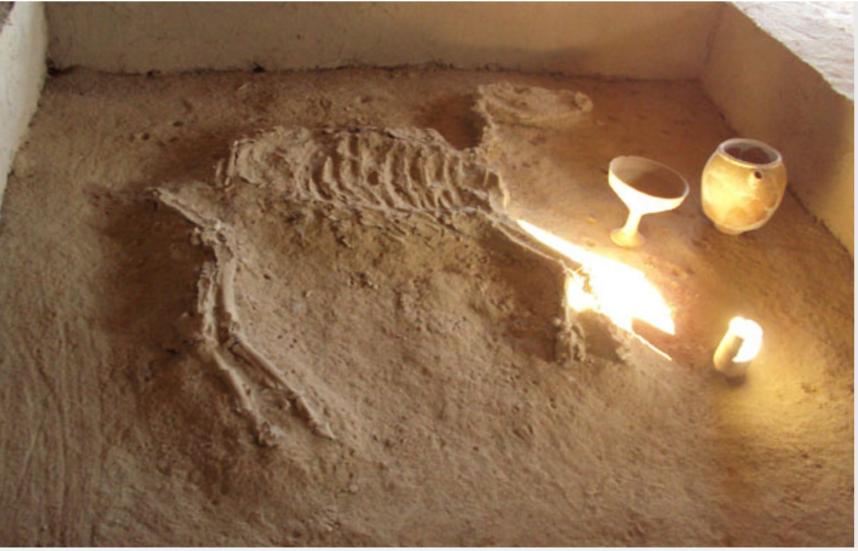
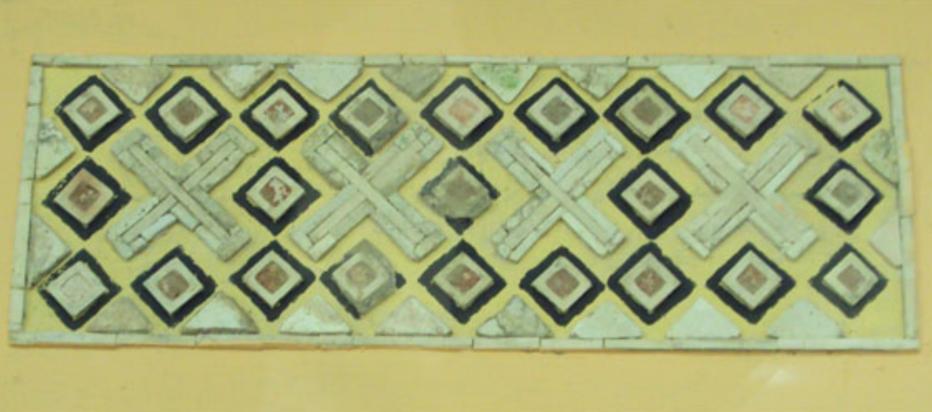
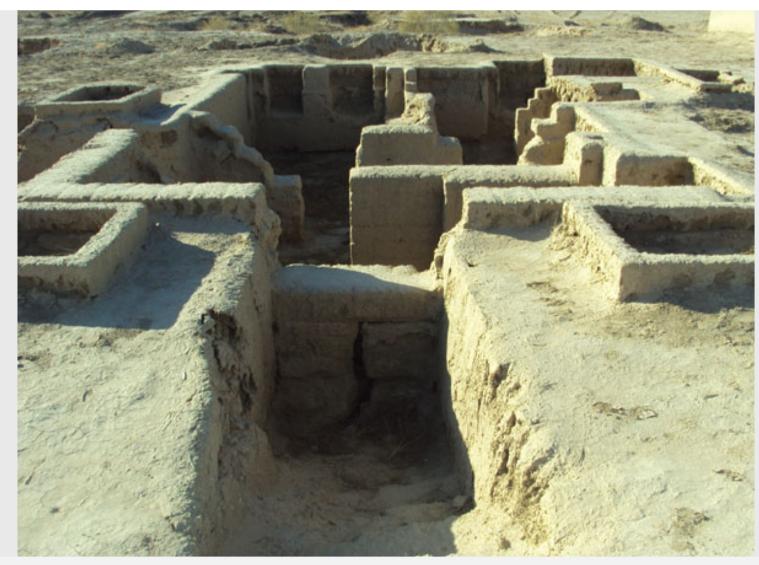
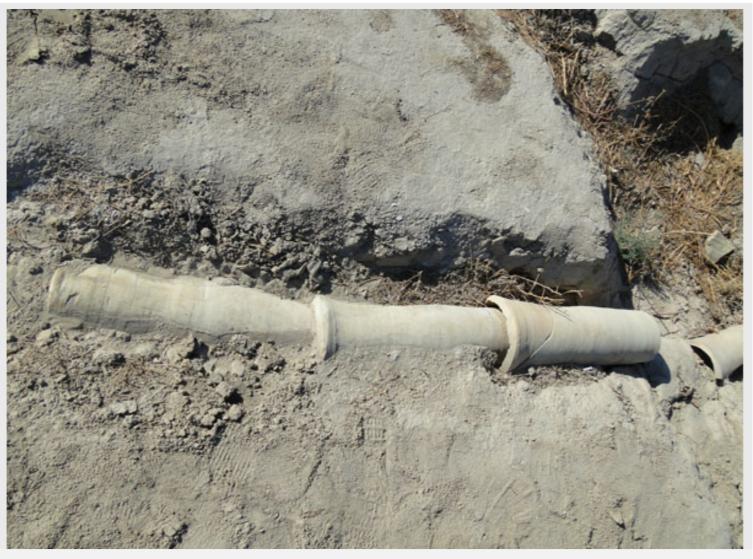
Margiana is an ancient region located in what is now Turkmenistan. This area was a key part of the Bactria-Margiana civilization, which flourished during the Bronze Age. The archaeological site of Gonur Depe, situated in Margiana, is considered the heart of this ancient civilization. Here, archaeologists have discovered unique architectural structures that demonstrate a high level of cultural and religious development. Margiana played an important role in trade and cultural exchange as part of the Great Silk Road. Today, it attracts scholars and tourists from around the world with its historical heritage.
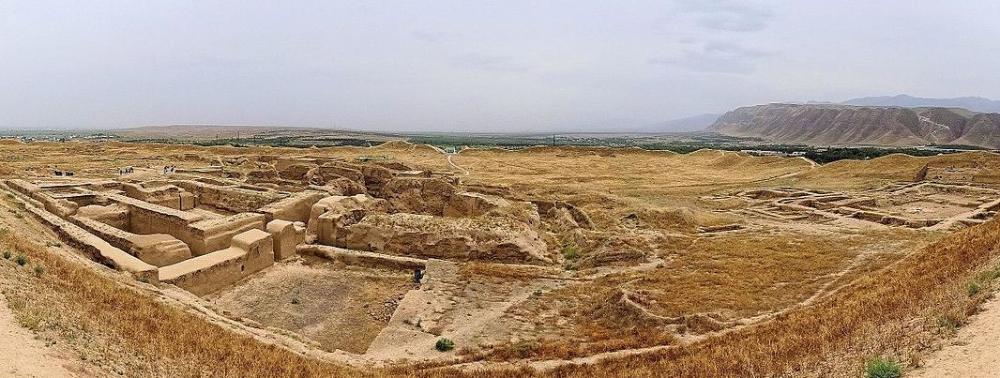
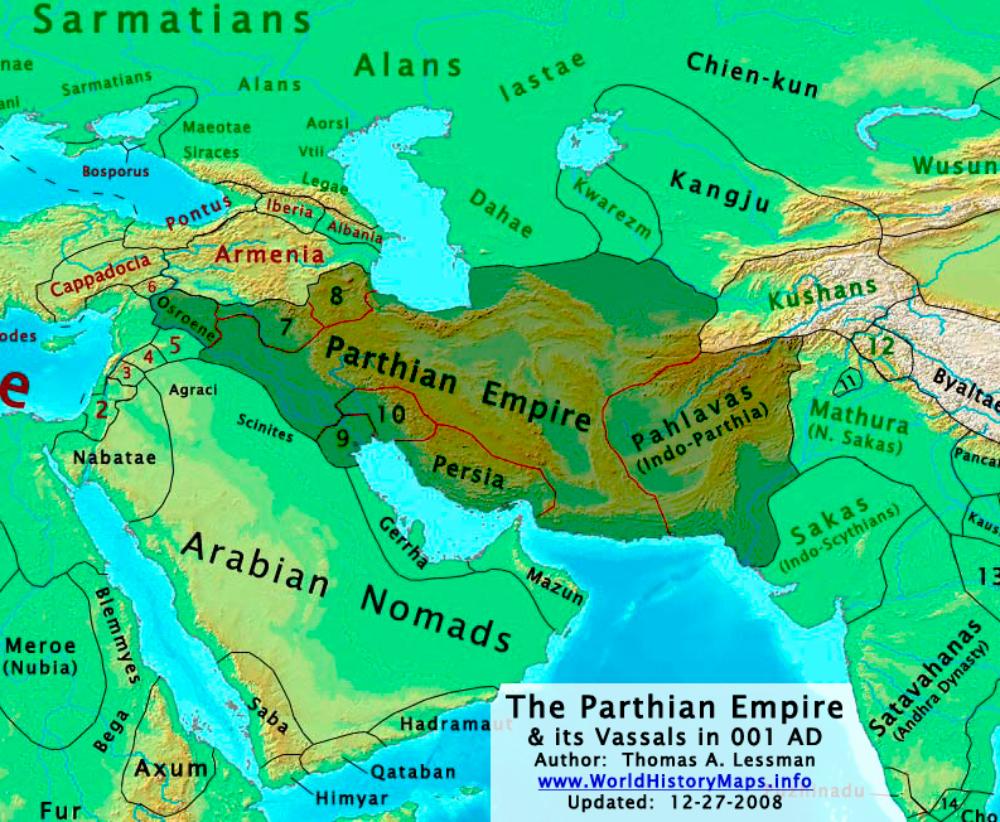
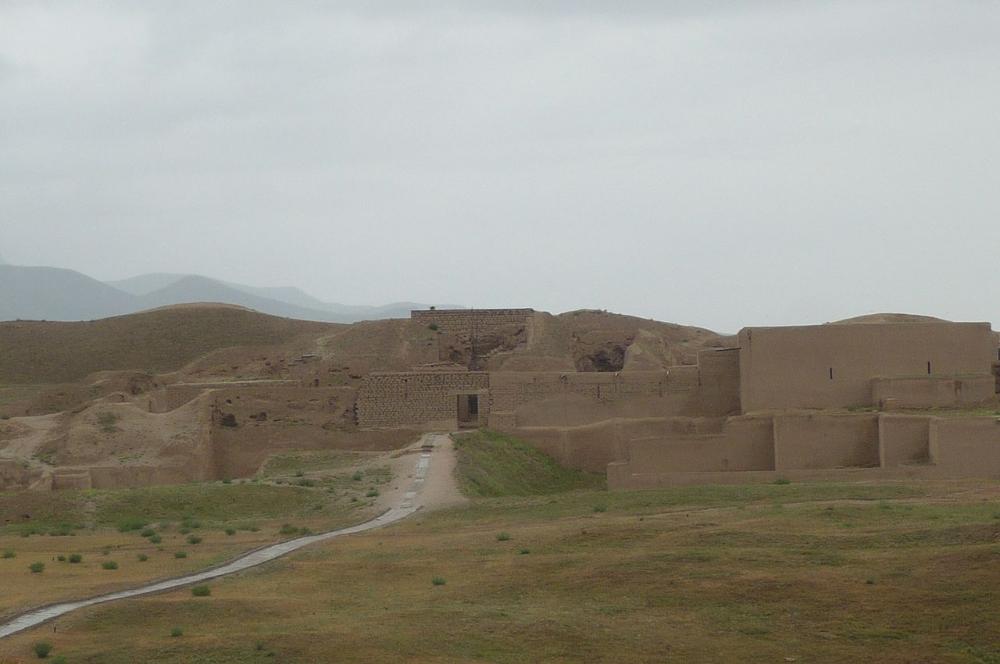
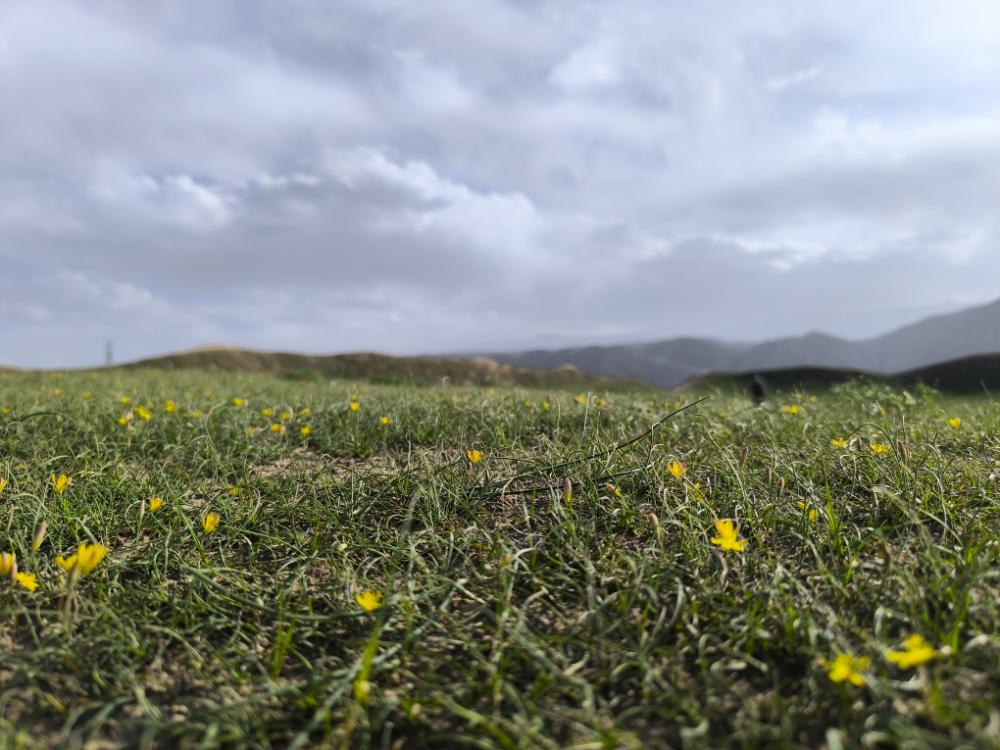
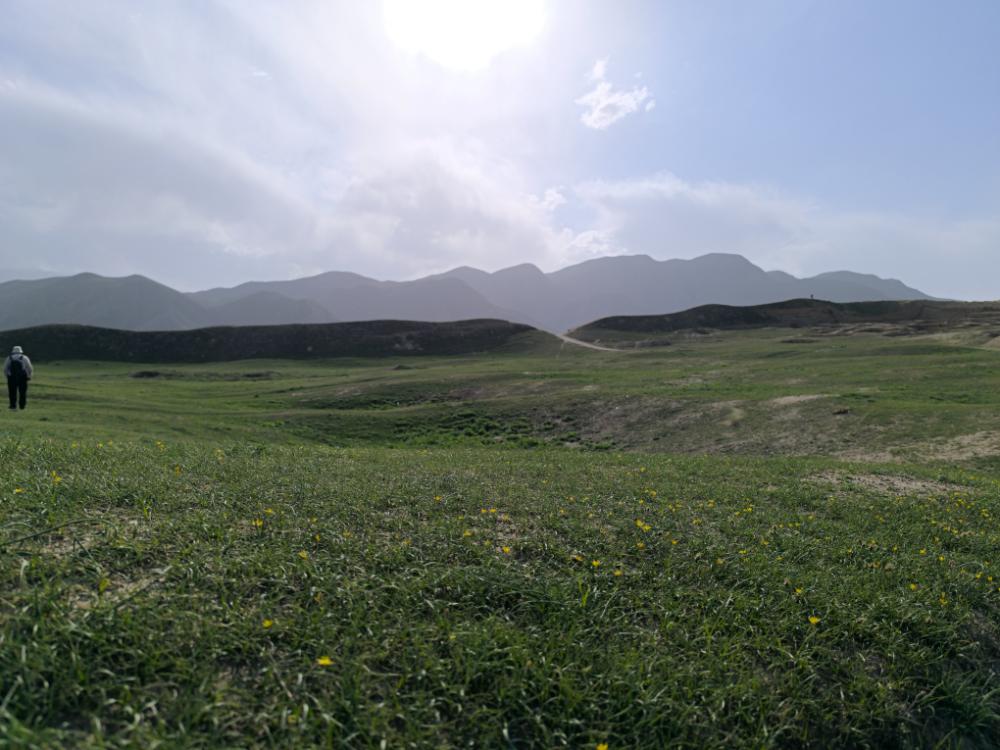
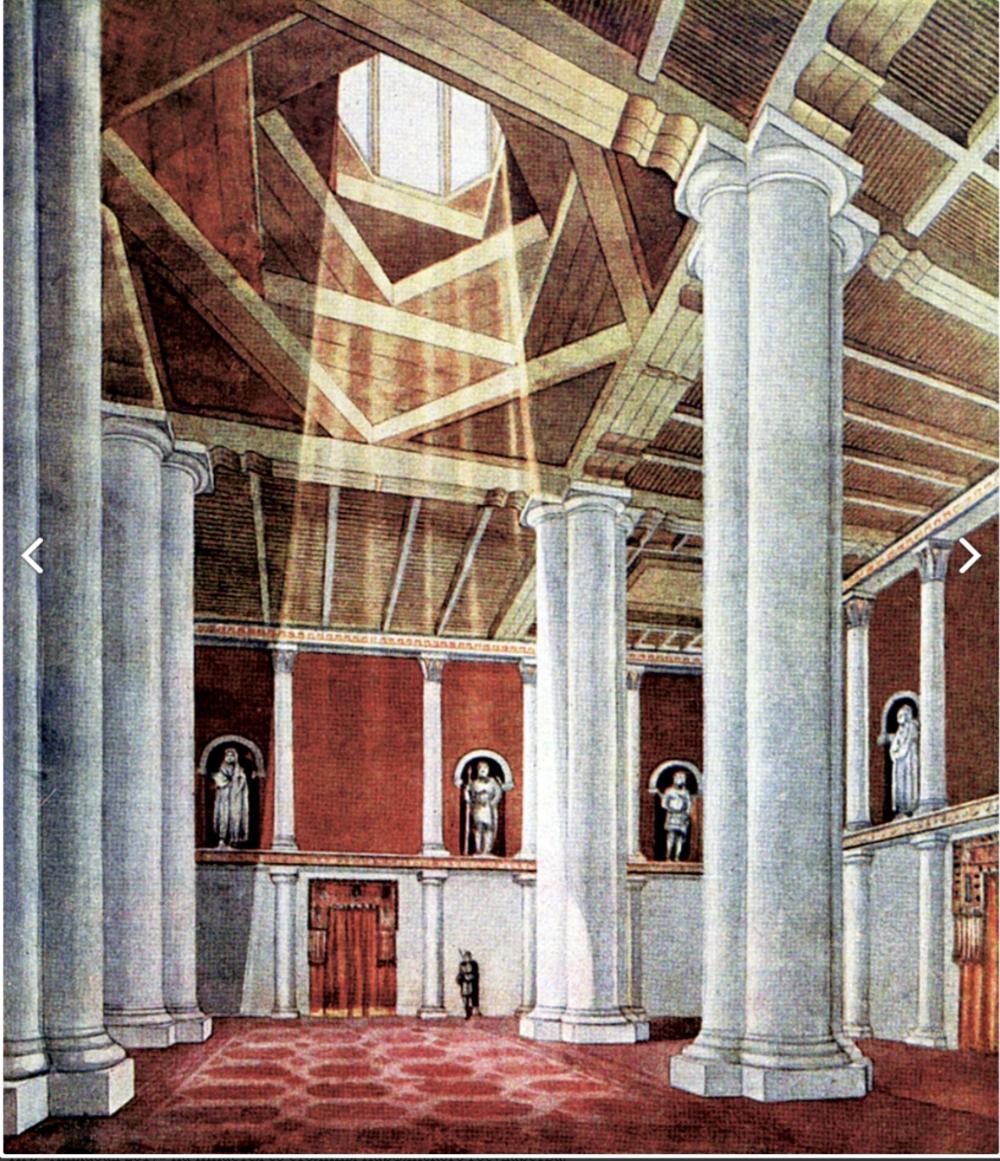
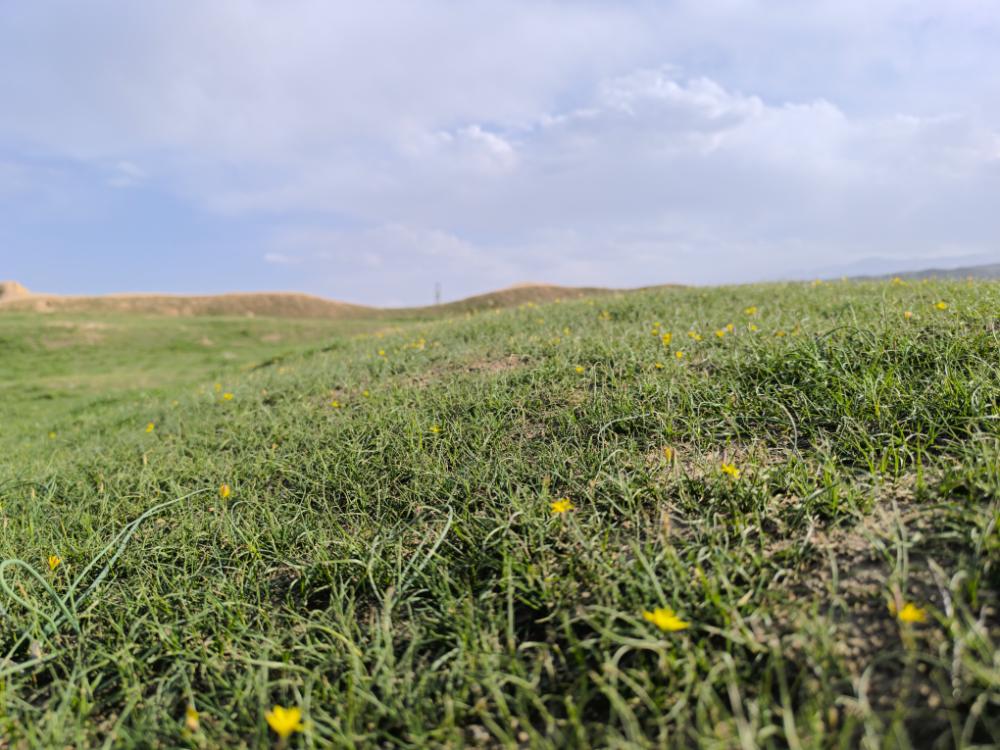
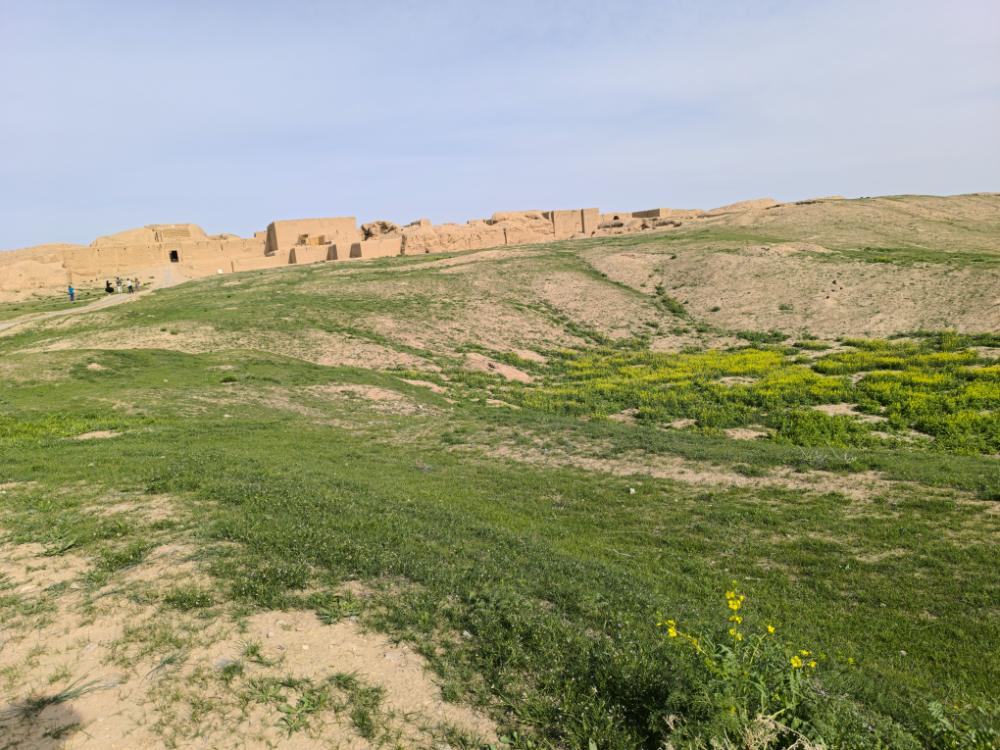
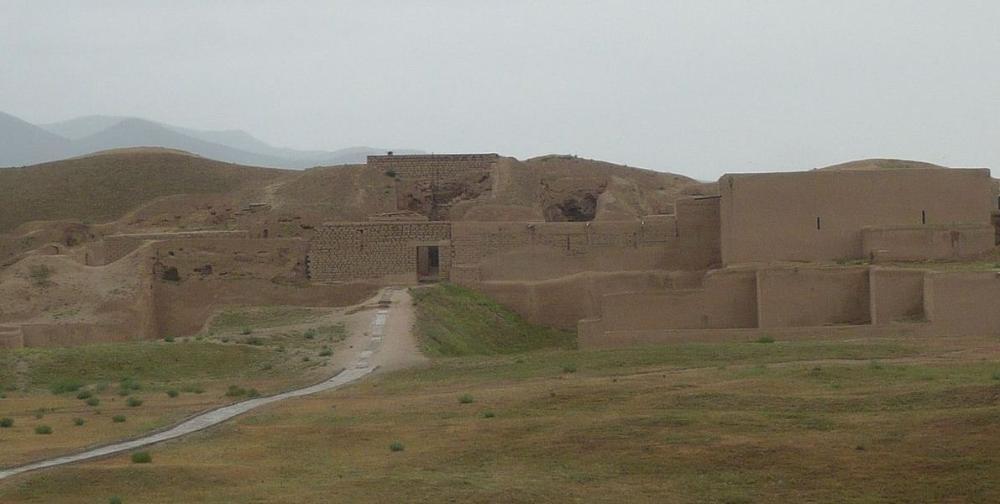
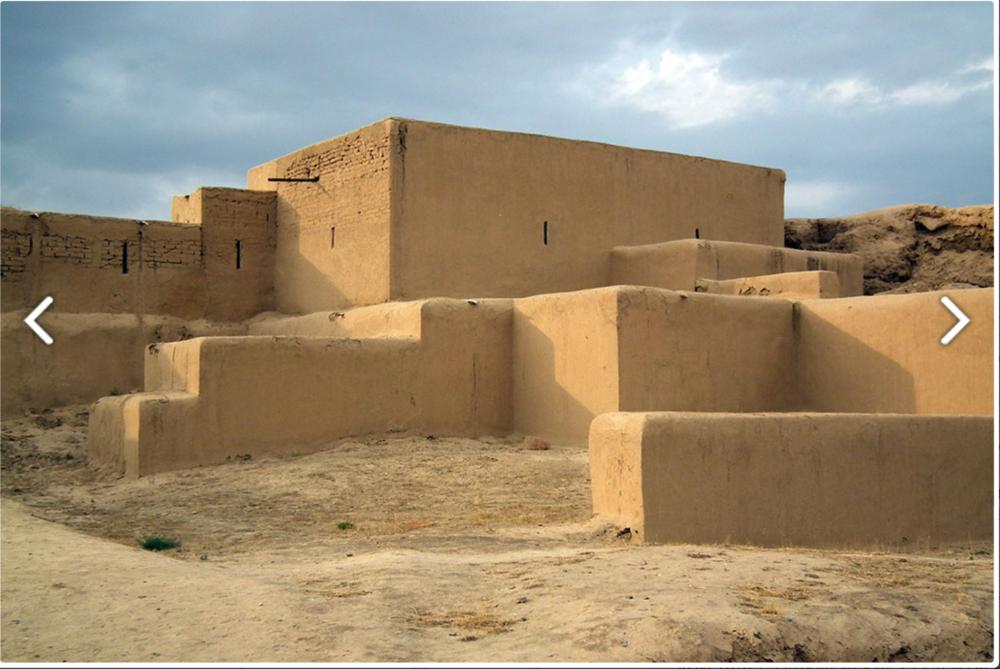
A UNESCO World Heritage Site, Nisa was once the capital of the Parthian Empire. The ruins of this ancient fortress include royal residences, temples, and storerooms, offering insight into the empire’s grandeur.
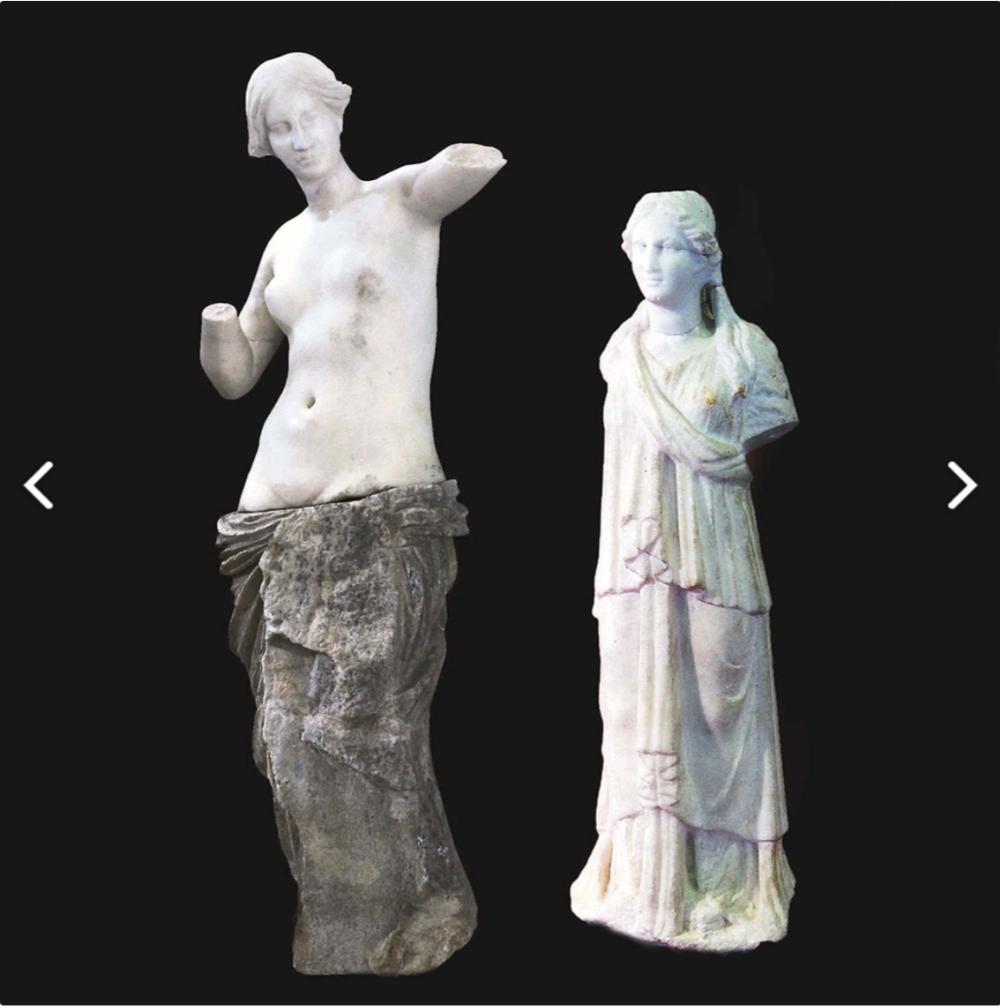
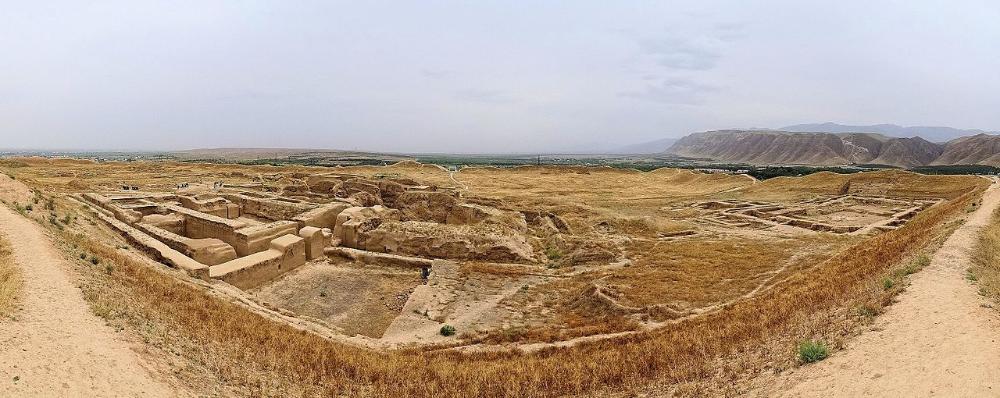
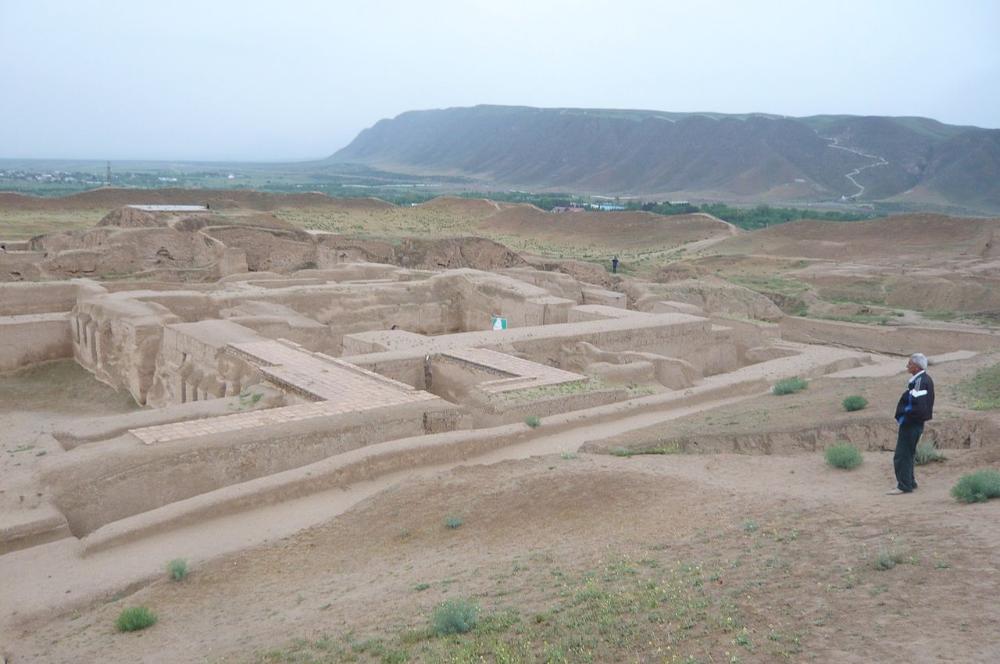
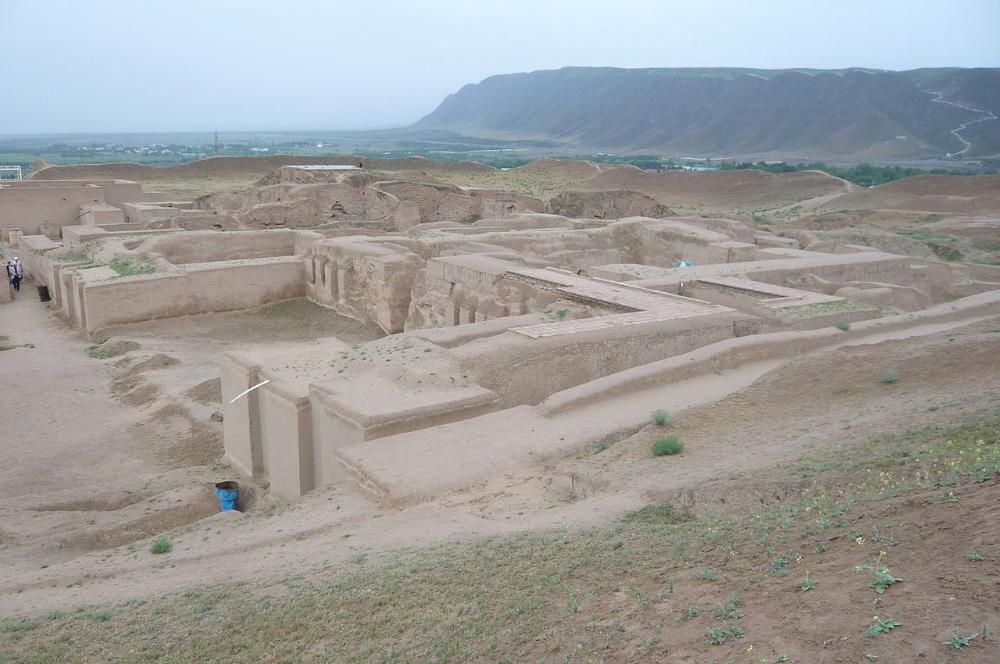
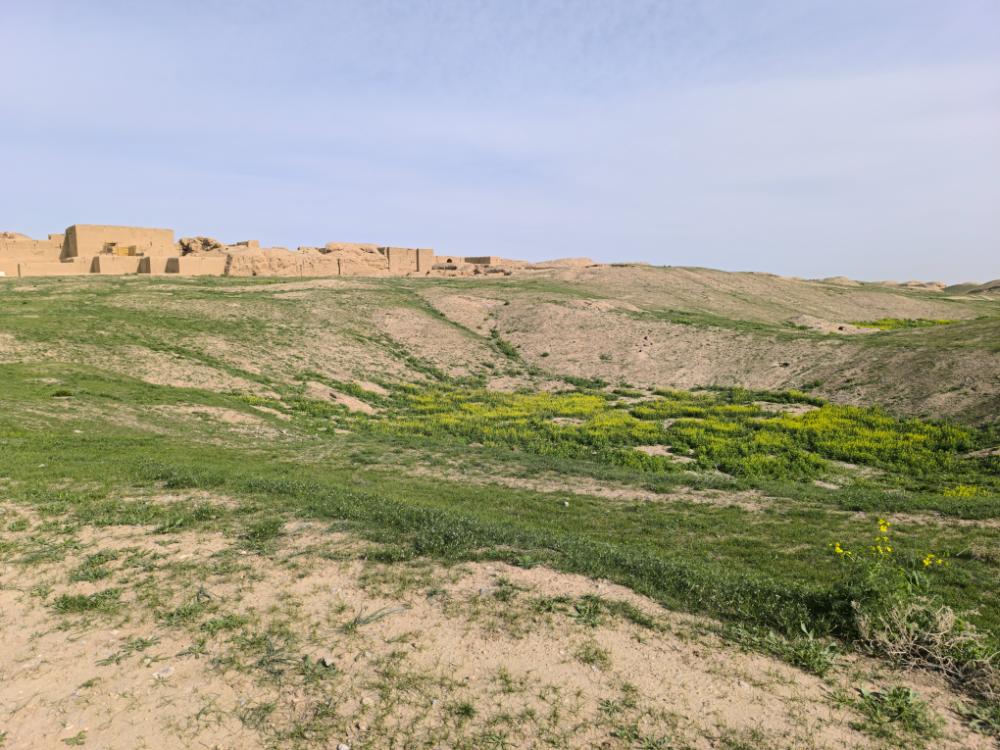
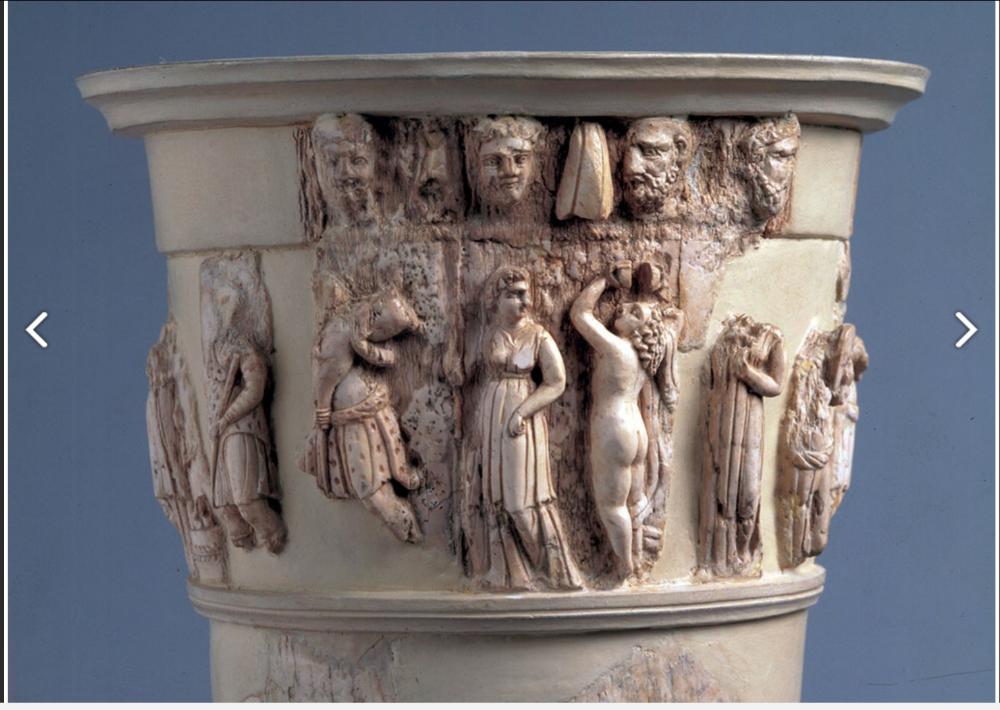
This unique city is located in the western part of Turkmenistan, near the Caspian Sea. Its location, the Misrian Plain, is one of the most unusual areas in Turkmenistan. Due to the lack of intensive construction and the relatively unsuitable land for large-scale development, many historical monuments have been preserved in this region.
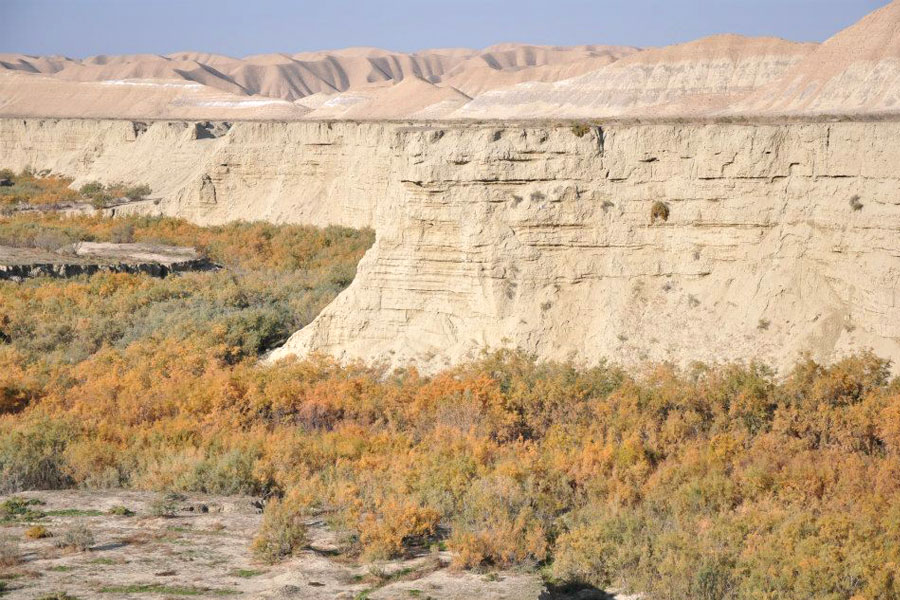
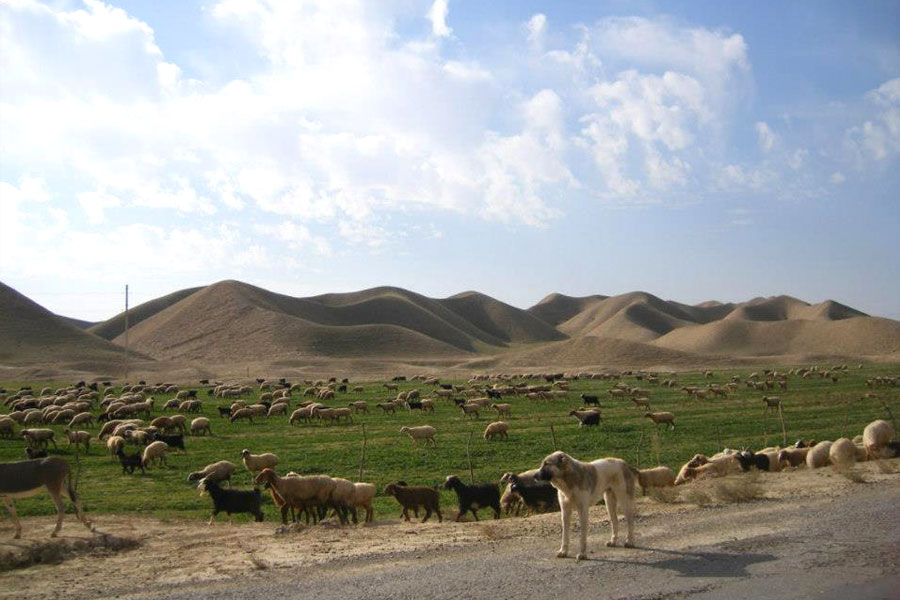
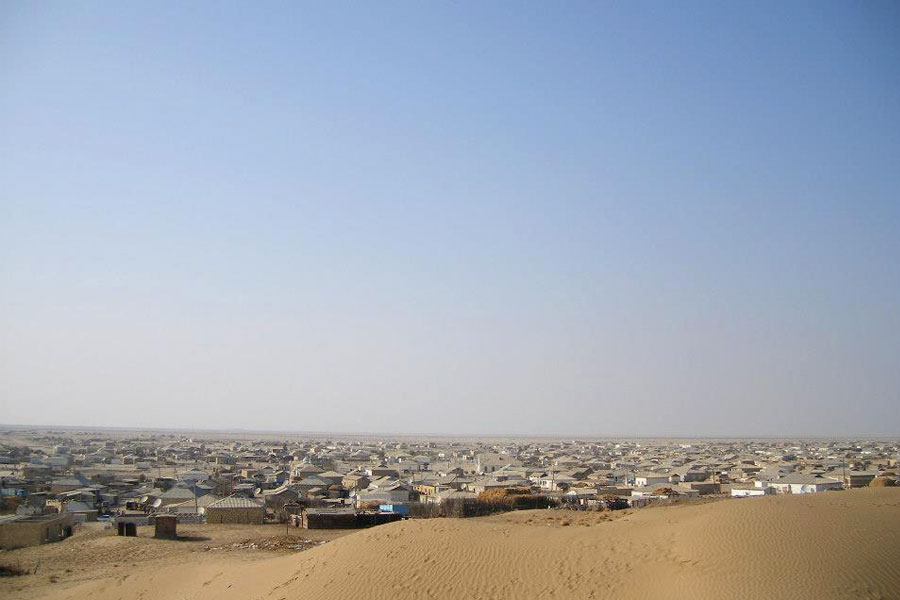
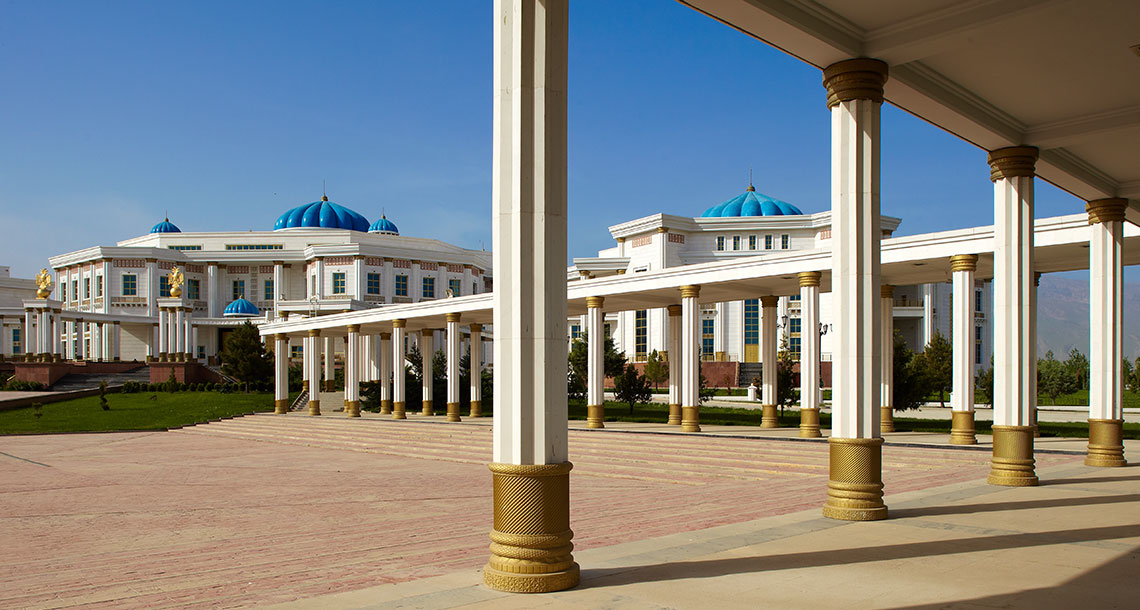
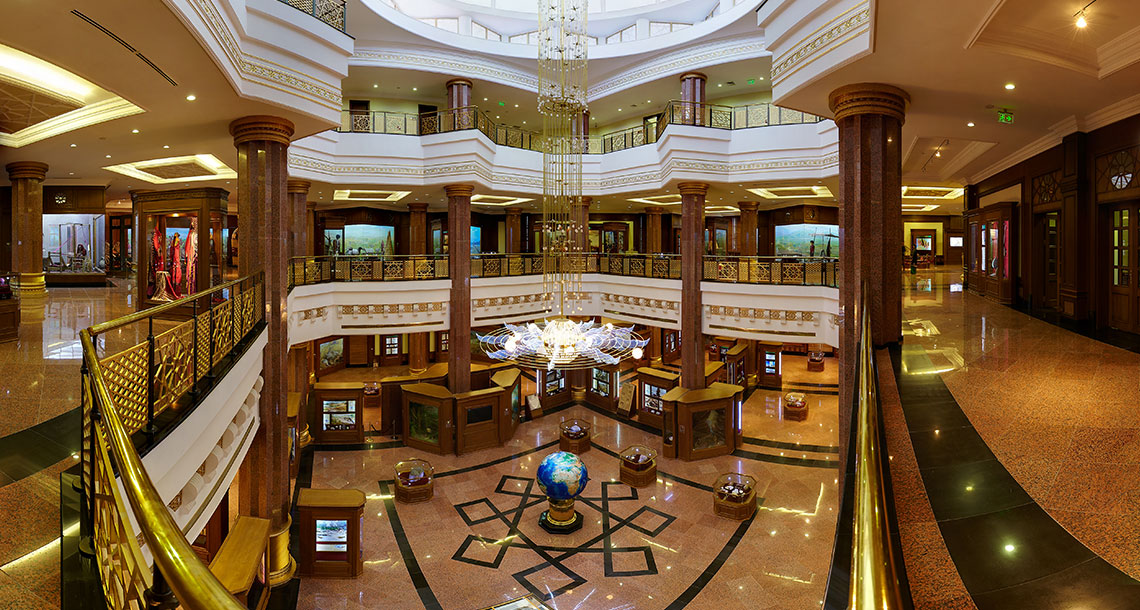
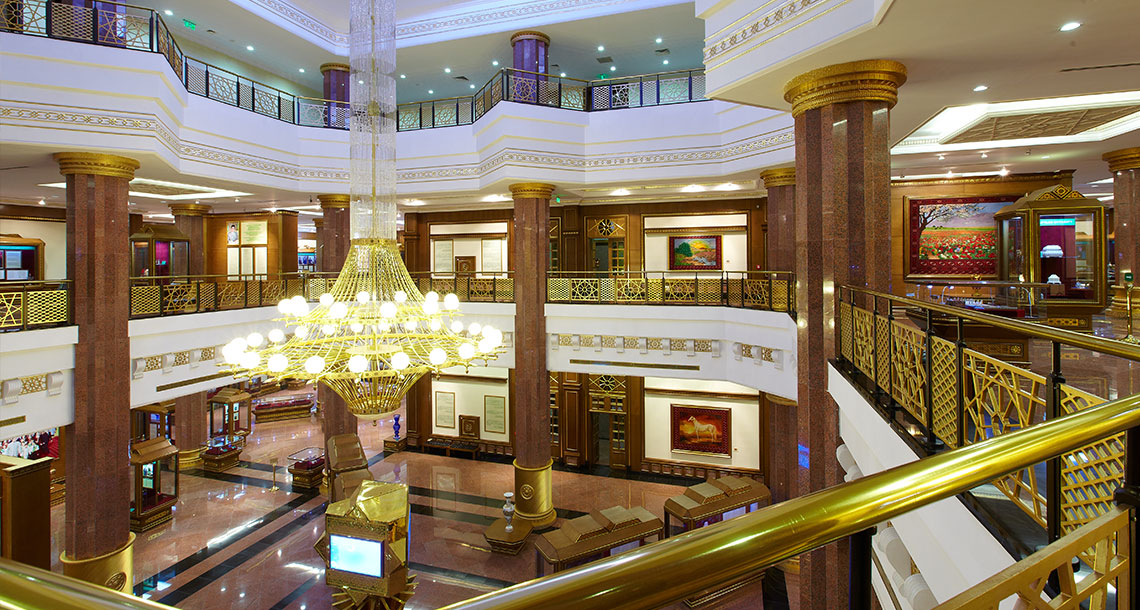
Ashgabat, the capital of Turkmenistan, is renowned worldwide for its stunning marble architecture and modern structures, many of which have become iconic landmarks. Among these is the National Museum of the State Cultural Center of Turkmenistan, a remarkable institution that stands out not only for its architectural grandeur but also for its rich collection of historical and cultural artifacts. Established as the first and largest museum following Turkmenistan’s independence, it officially opened on November 12, 1998, and has since become a symbol of the nation’s heritage and progress.
Natural Attractions
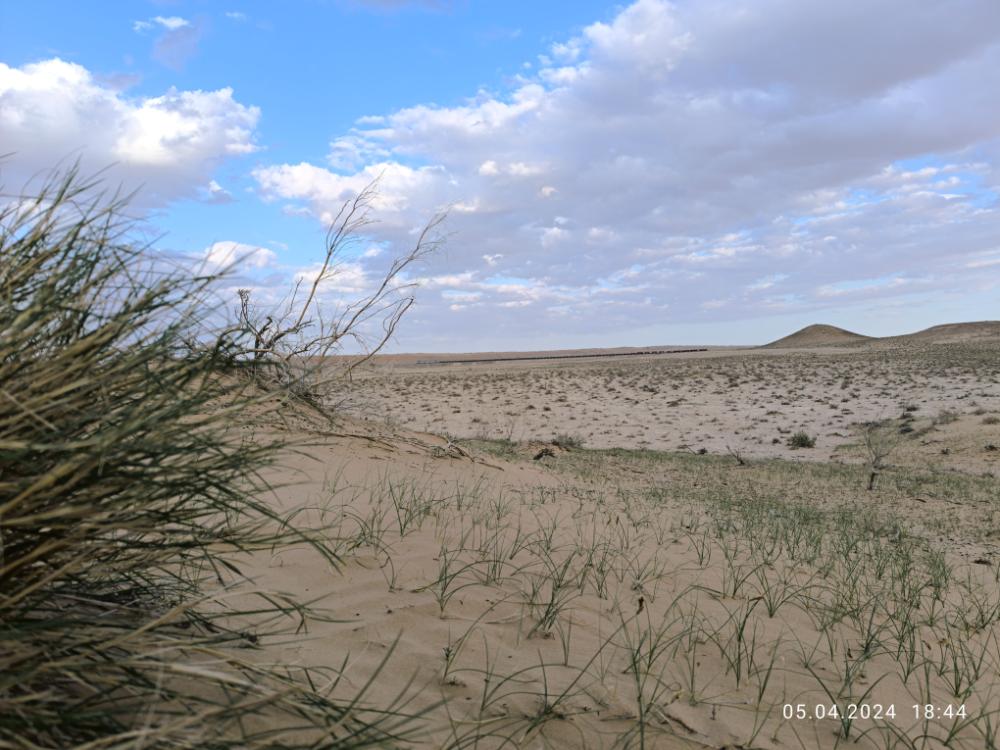
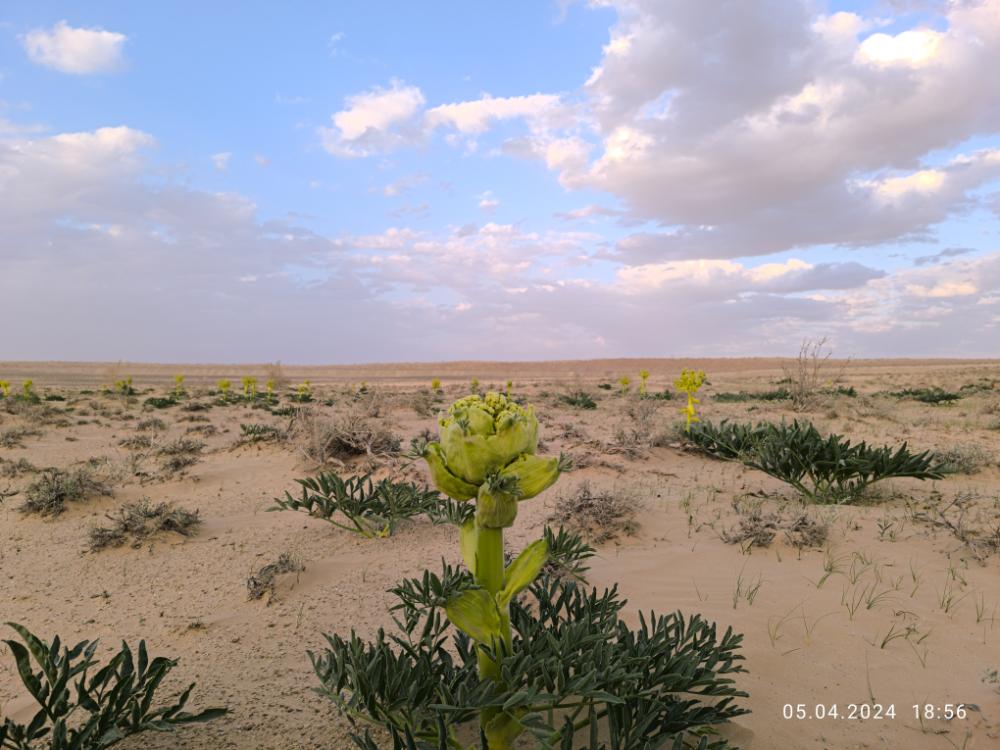
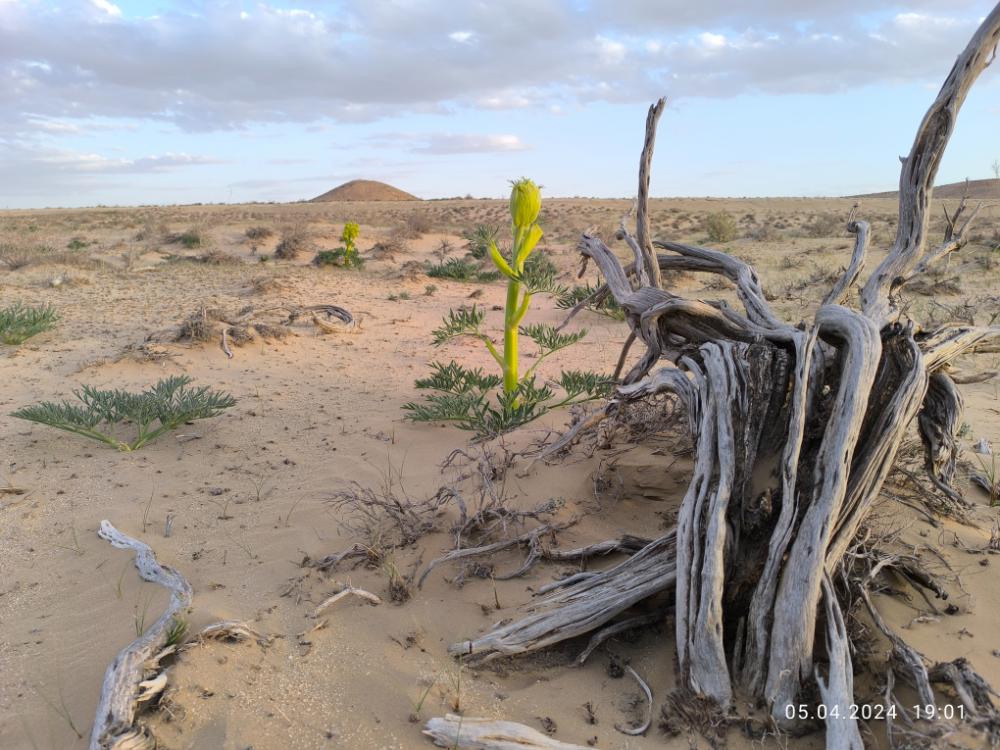
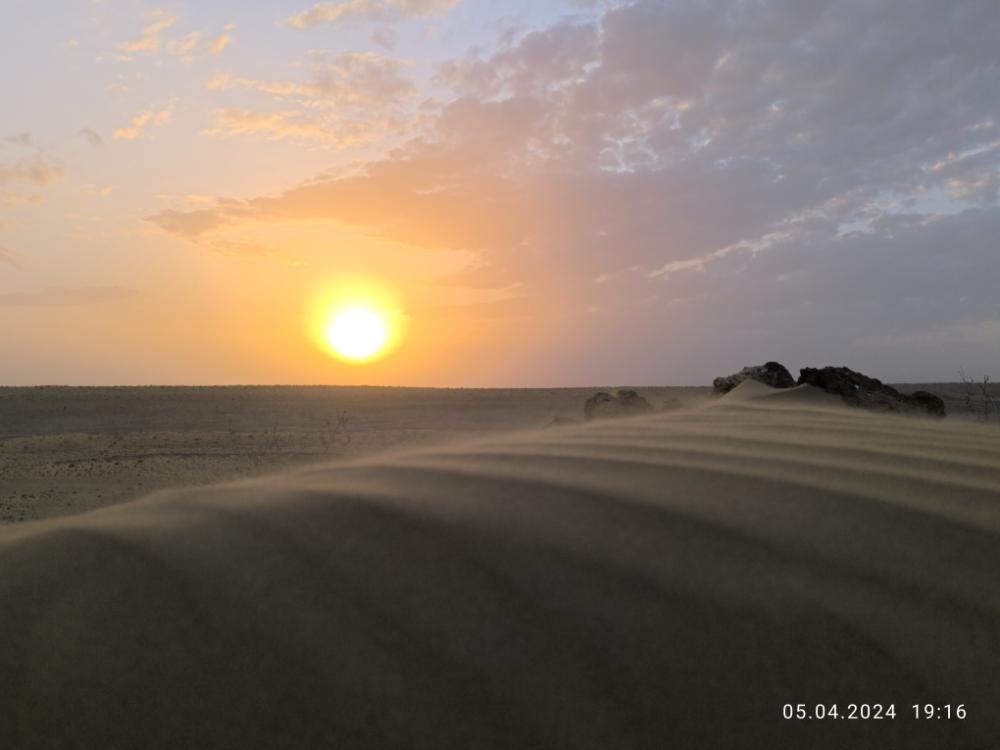
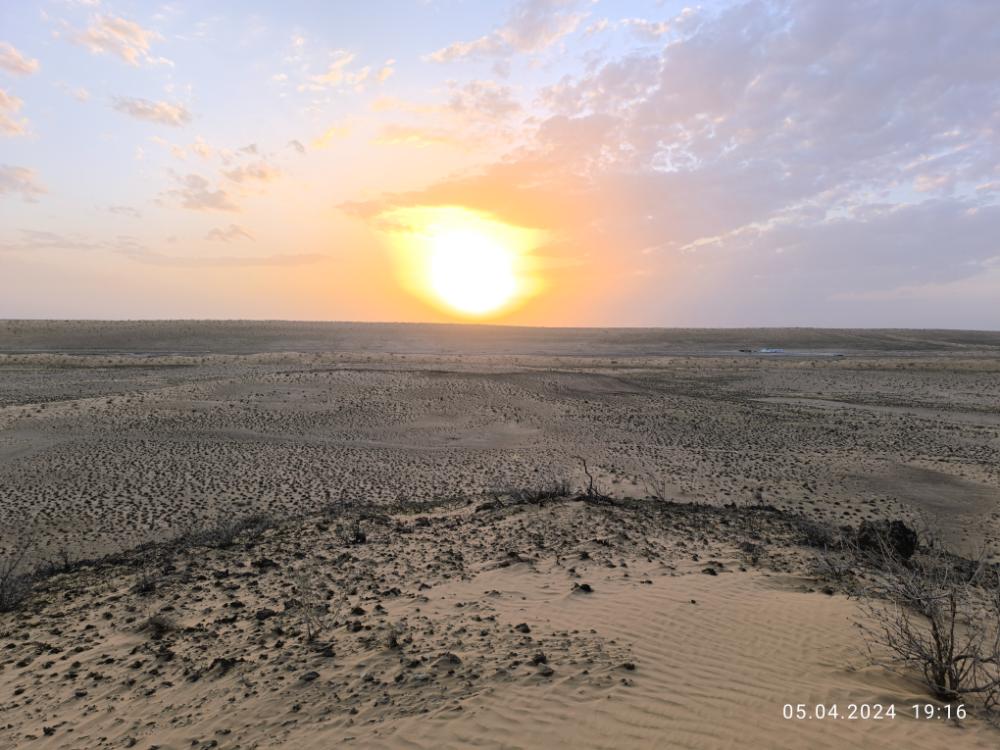
Covering much of Turkmenistan, the Karakum Desert is a vast expanse of sand dunes and unique landscapes. Visitors can explore its beauty through guided tours, camel treks, and visits to desert oases.
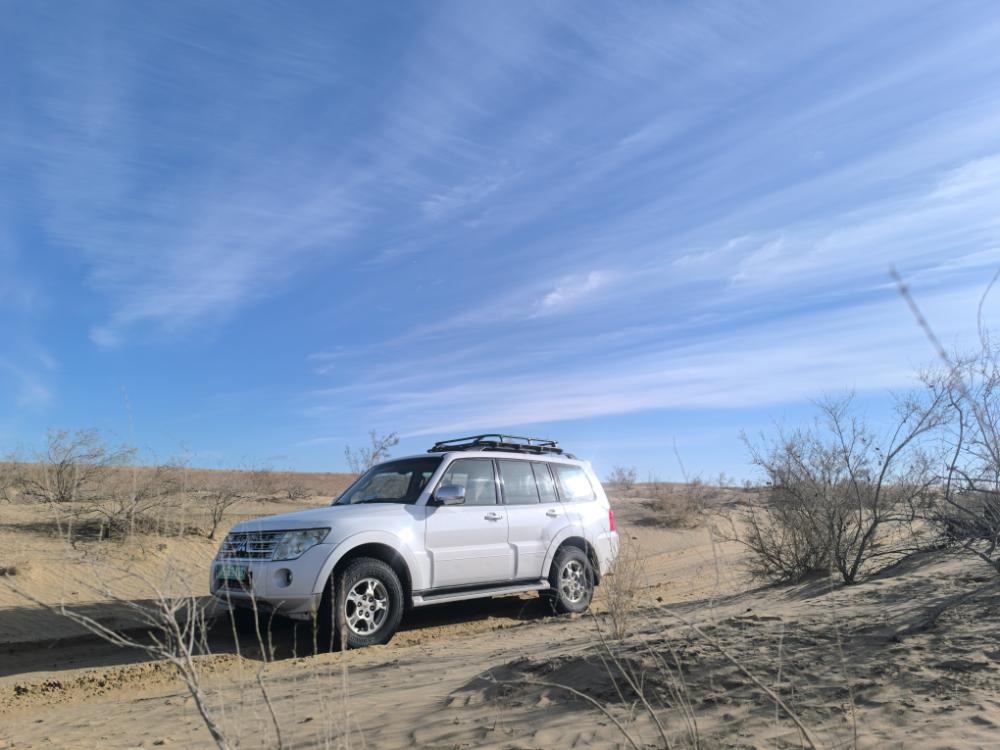
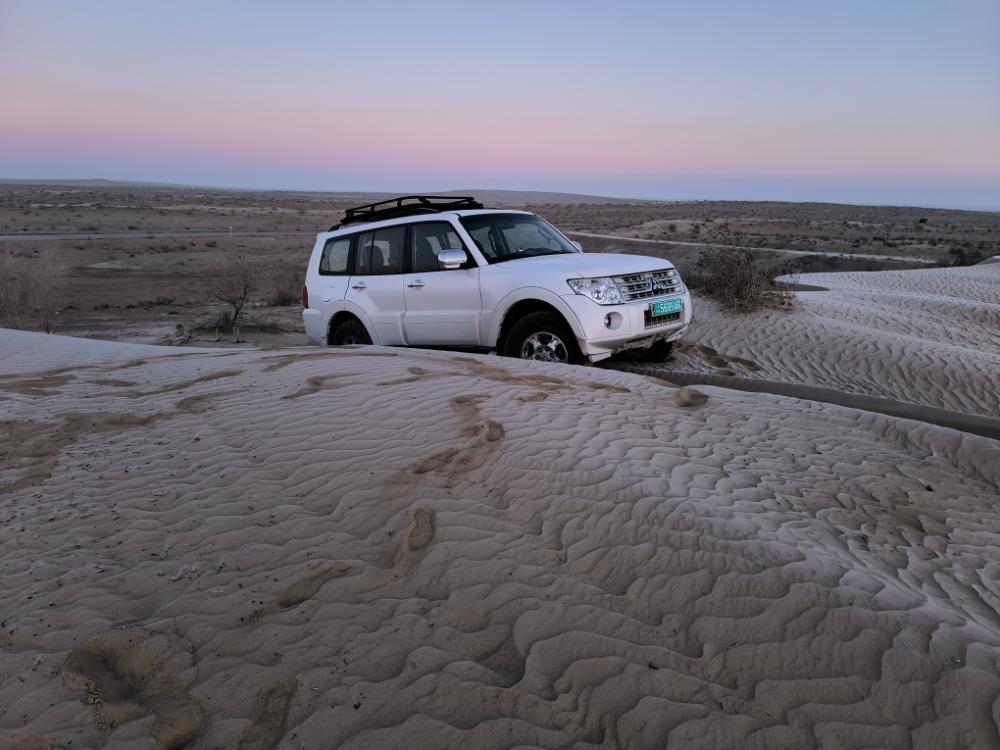
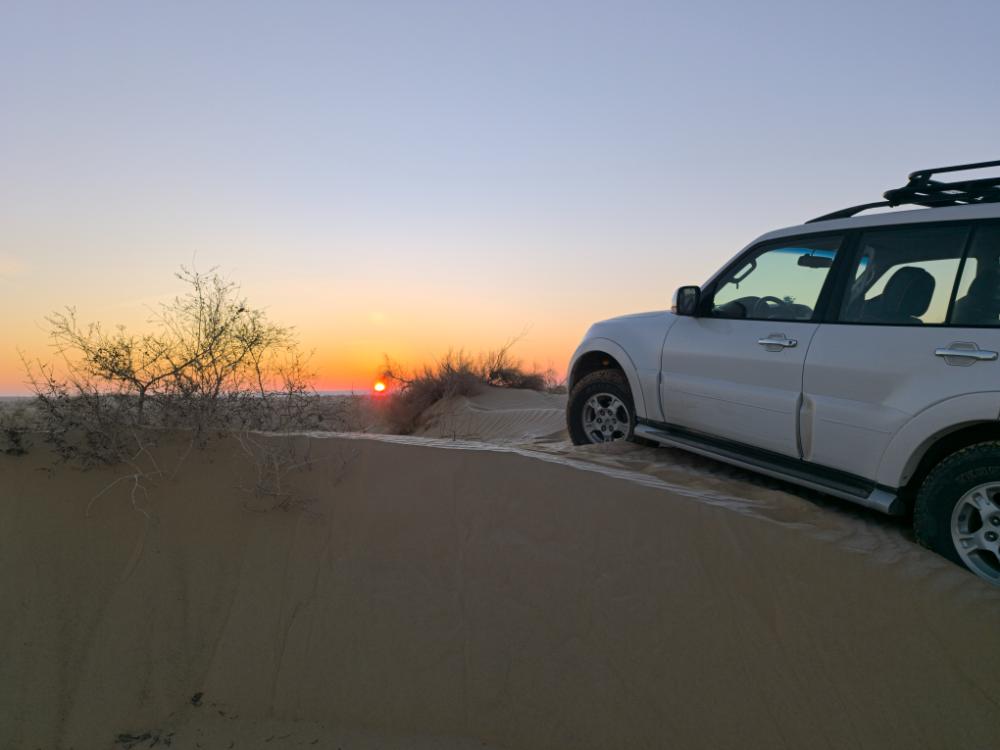
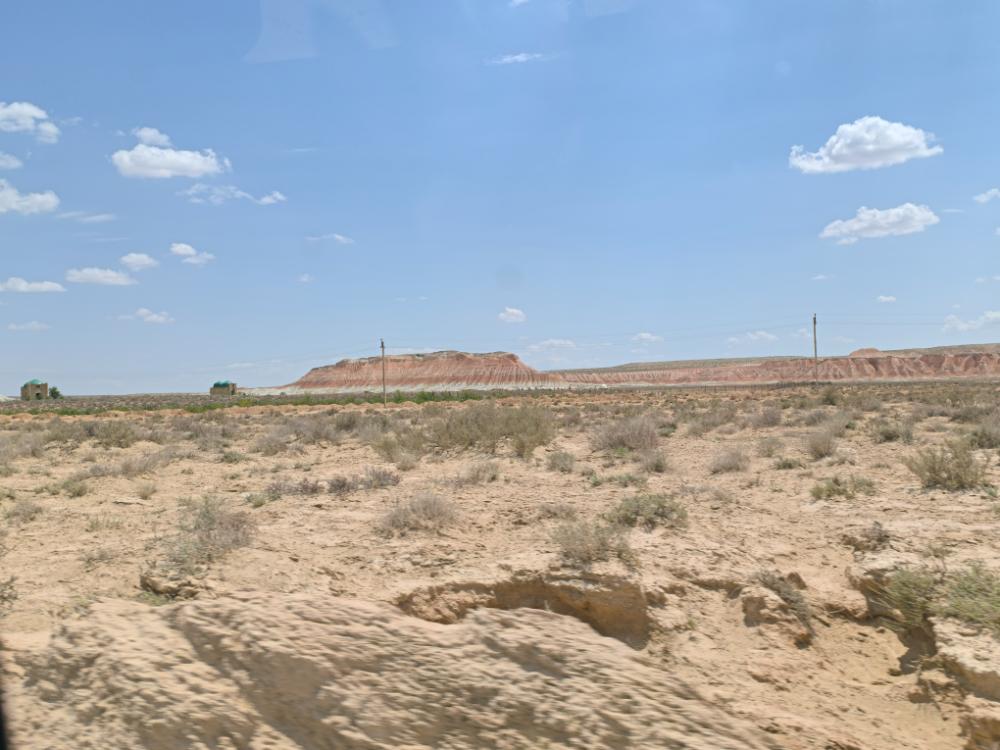
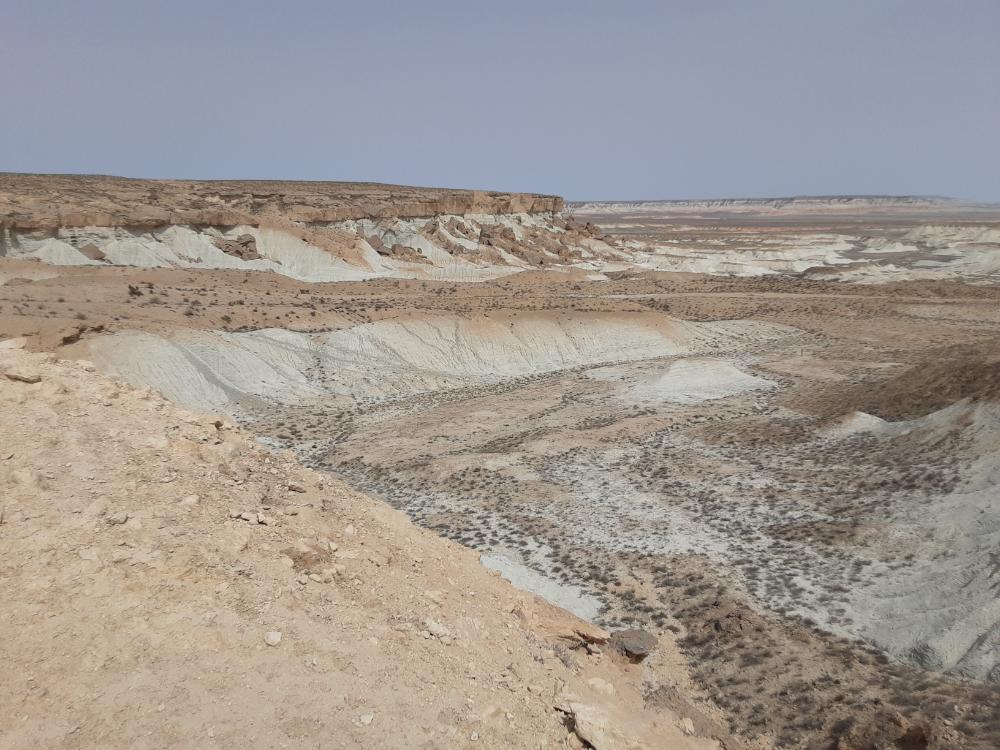
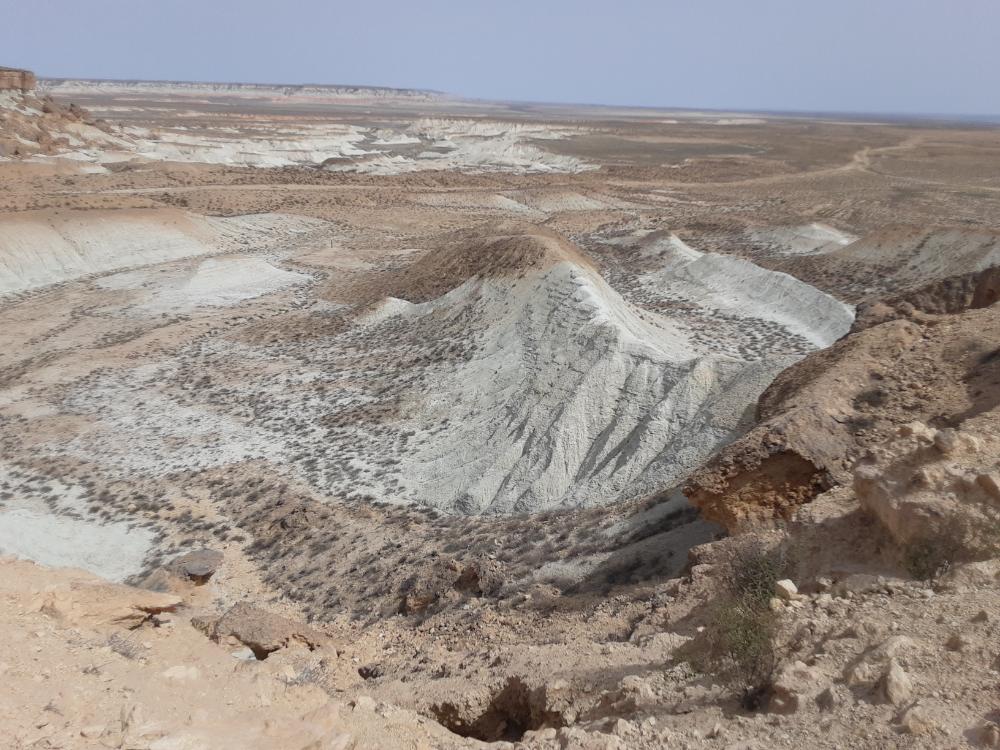
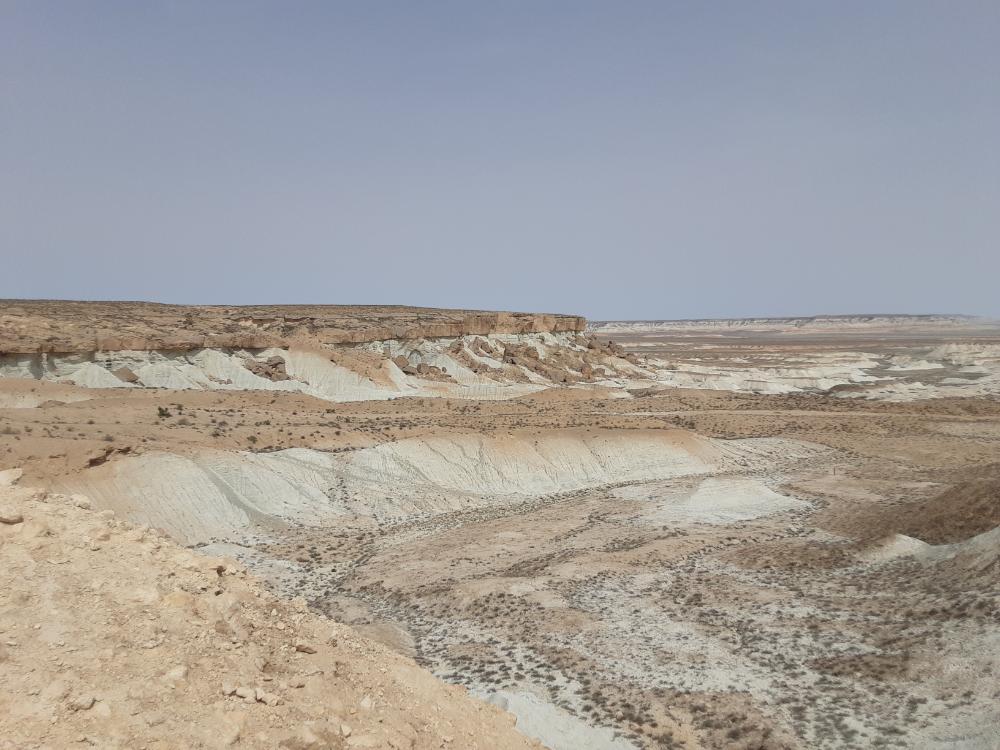
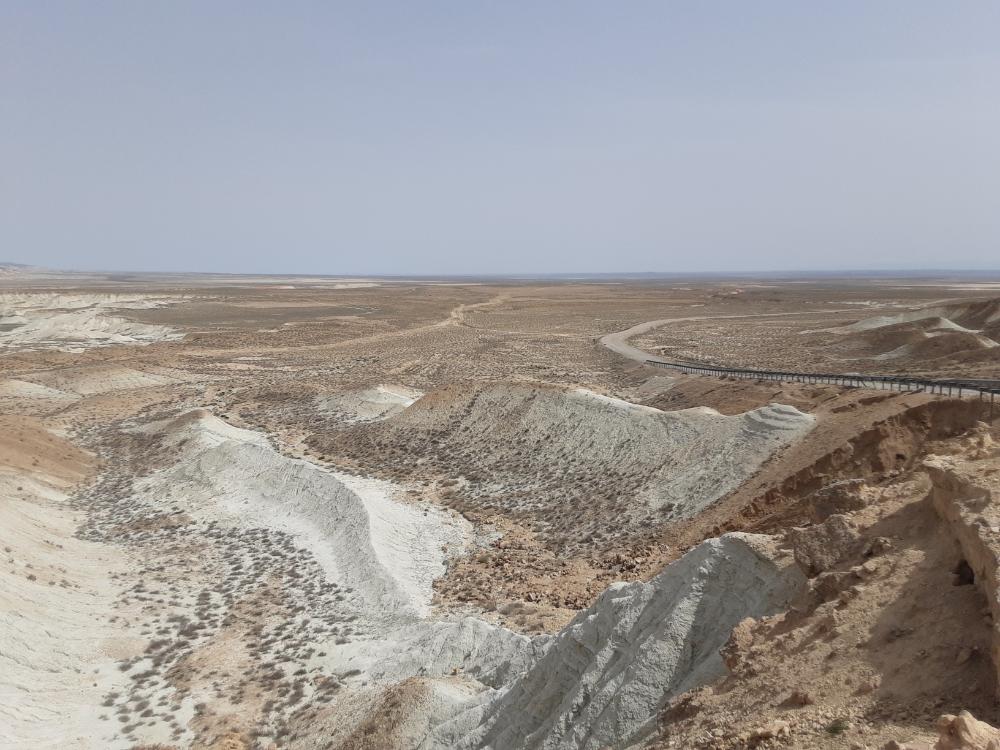
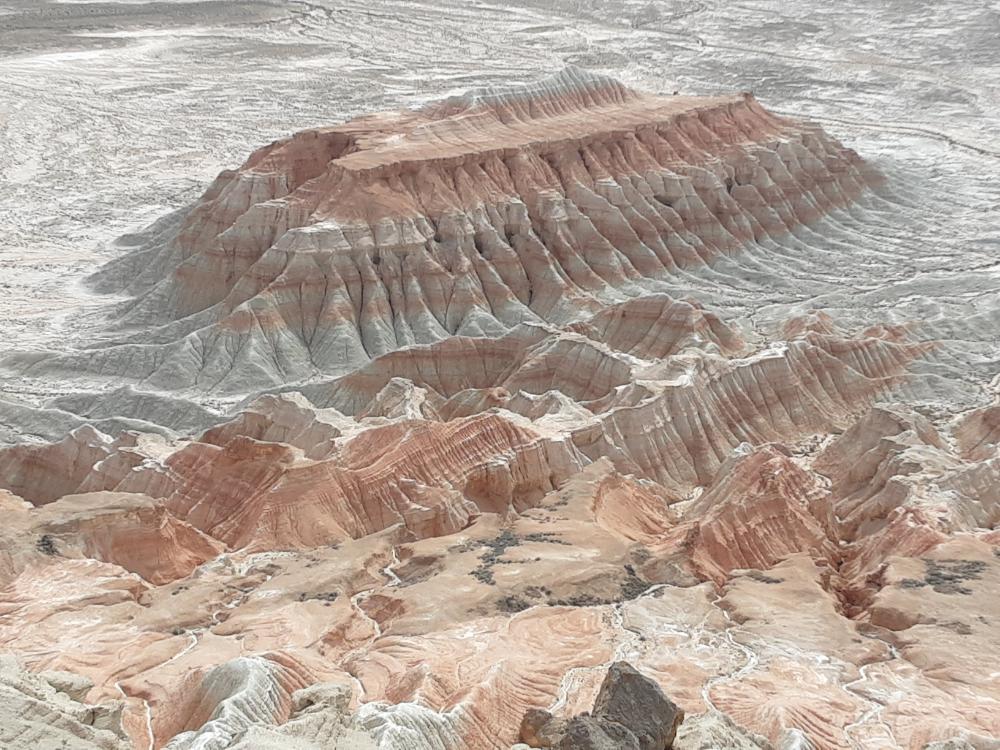
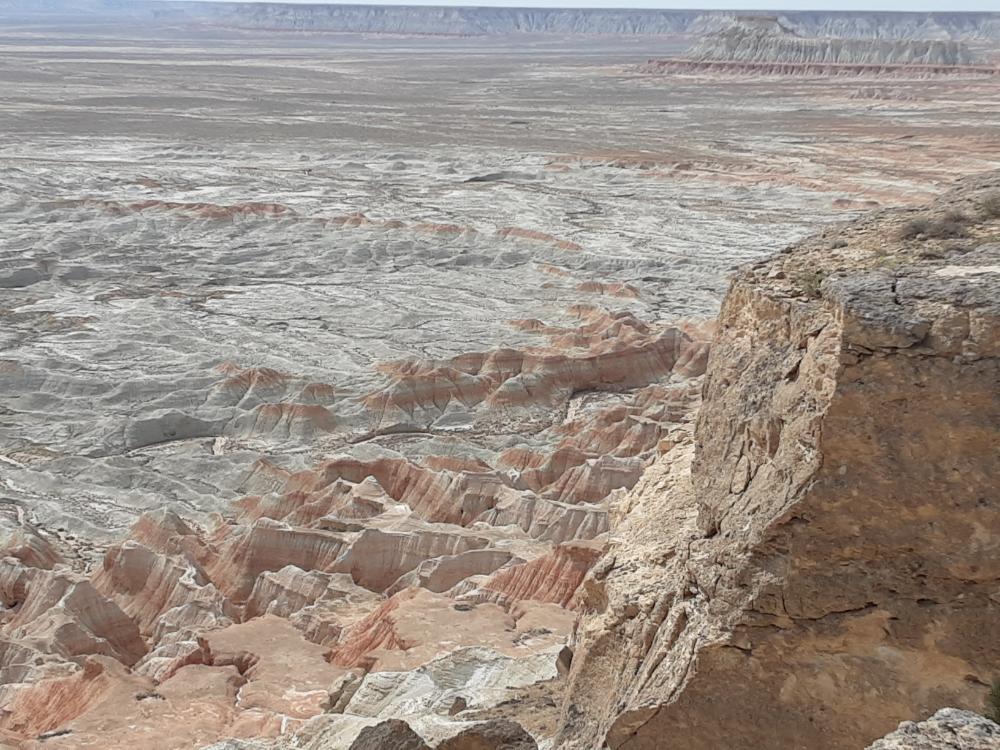
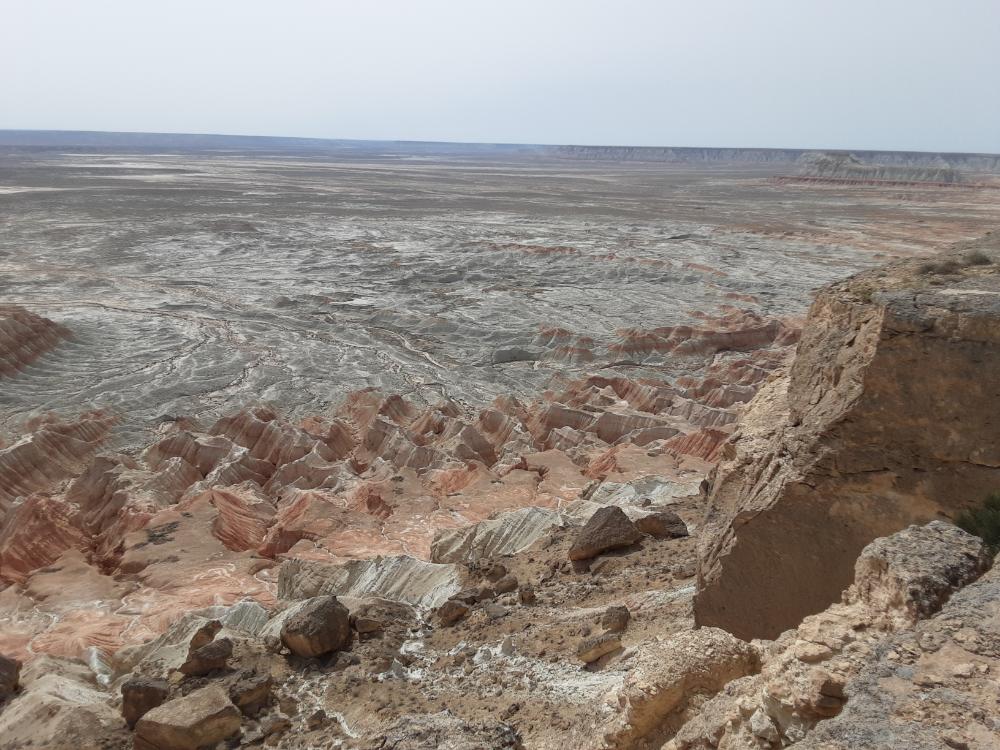
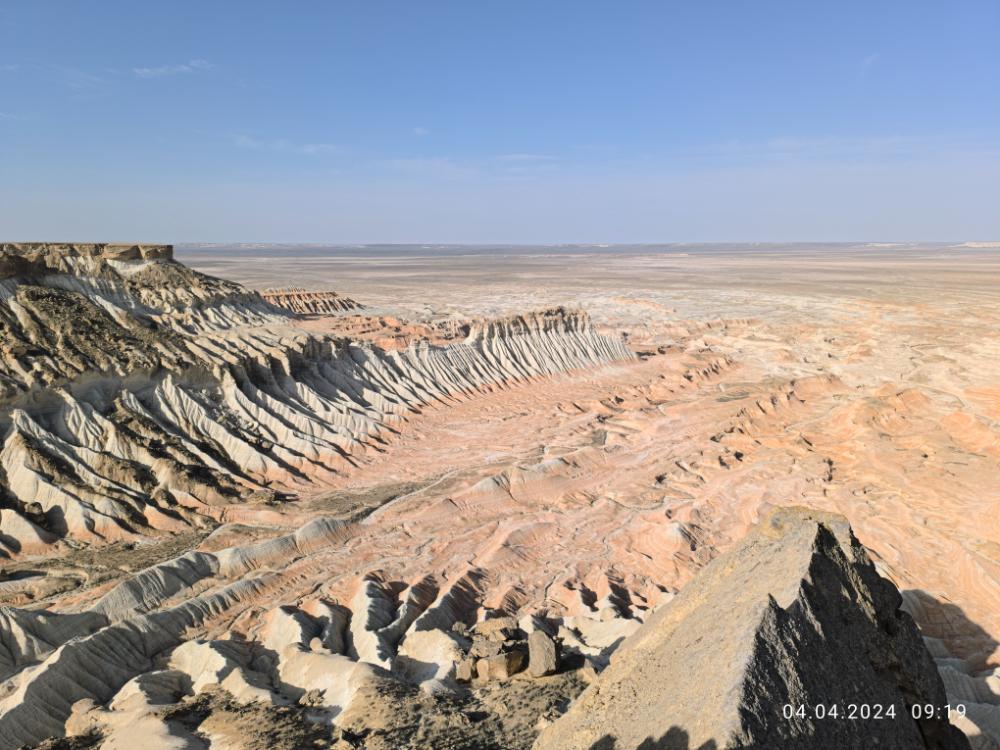
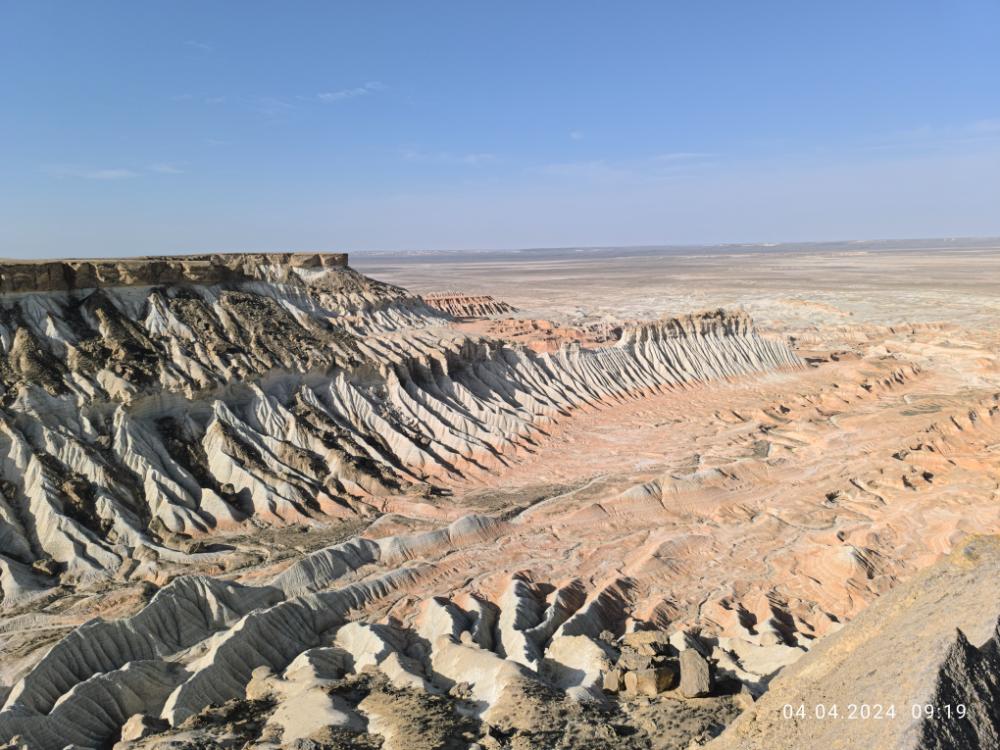
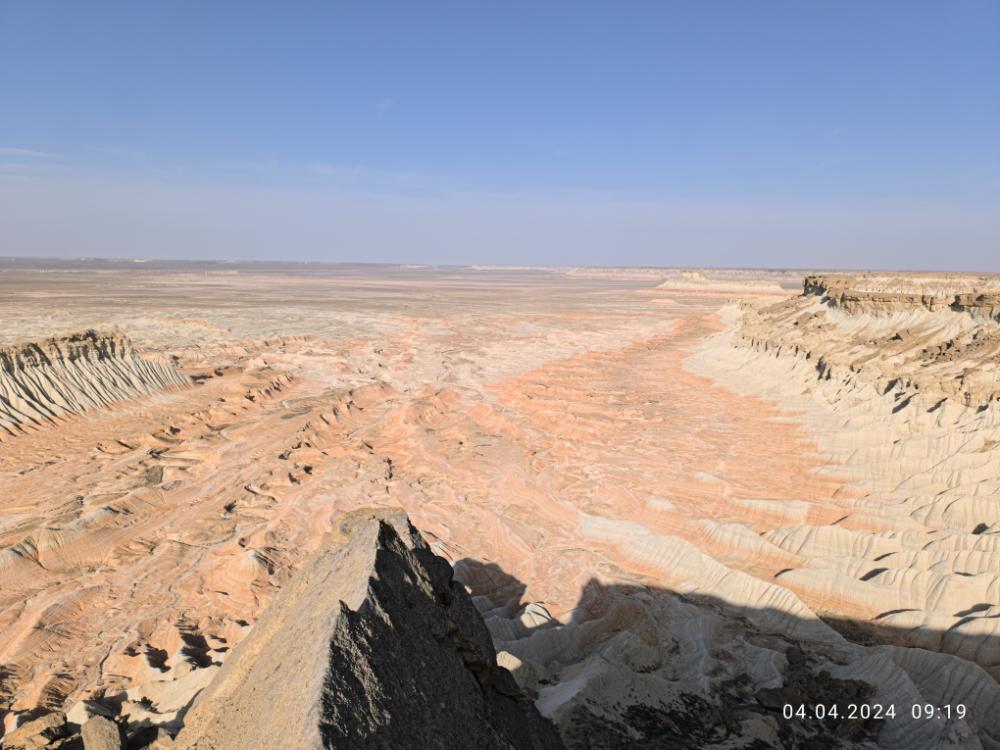
Often referred to as the “Grand Canyon of Central Asia,” Yangykala Canyon is a breathtaking natural wonder with vibrant red and orange cliffs. It’s a perfect spot for hiking and photography.
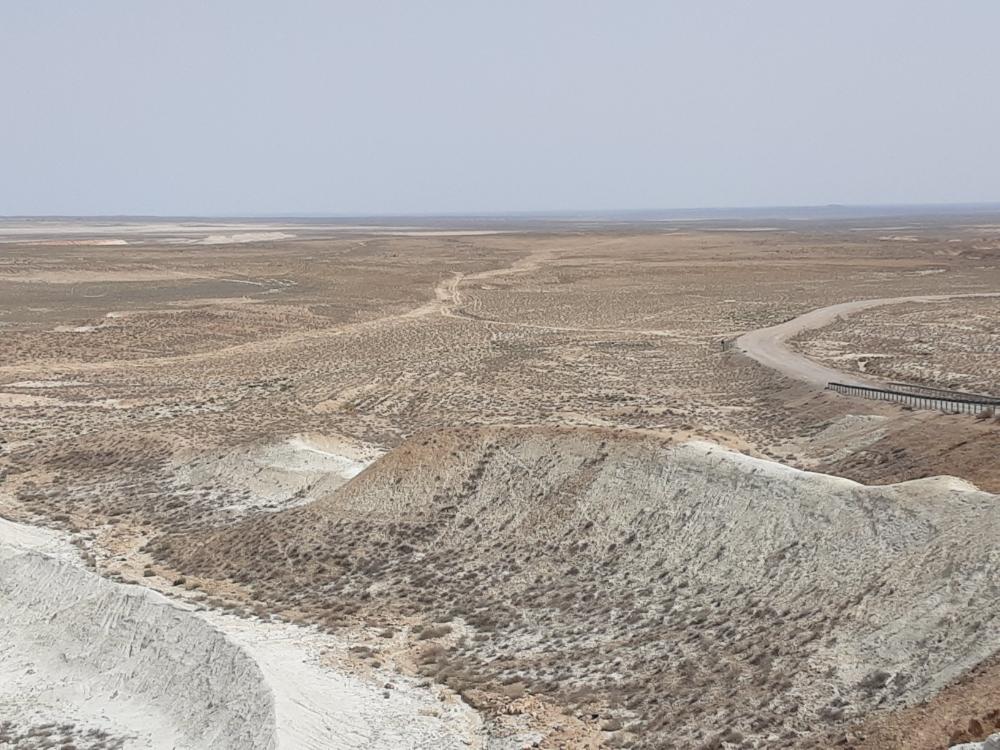
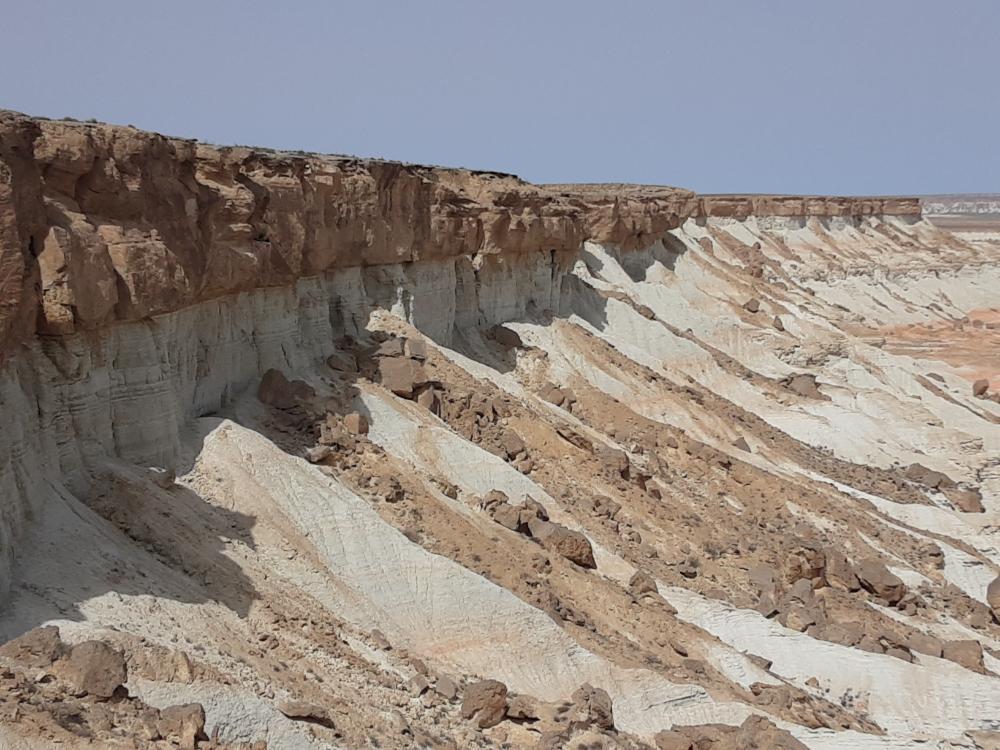
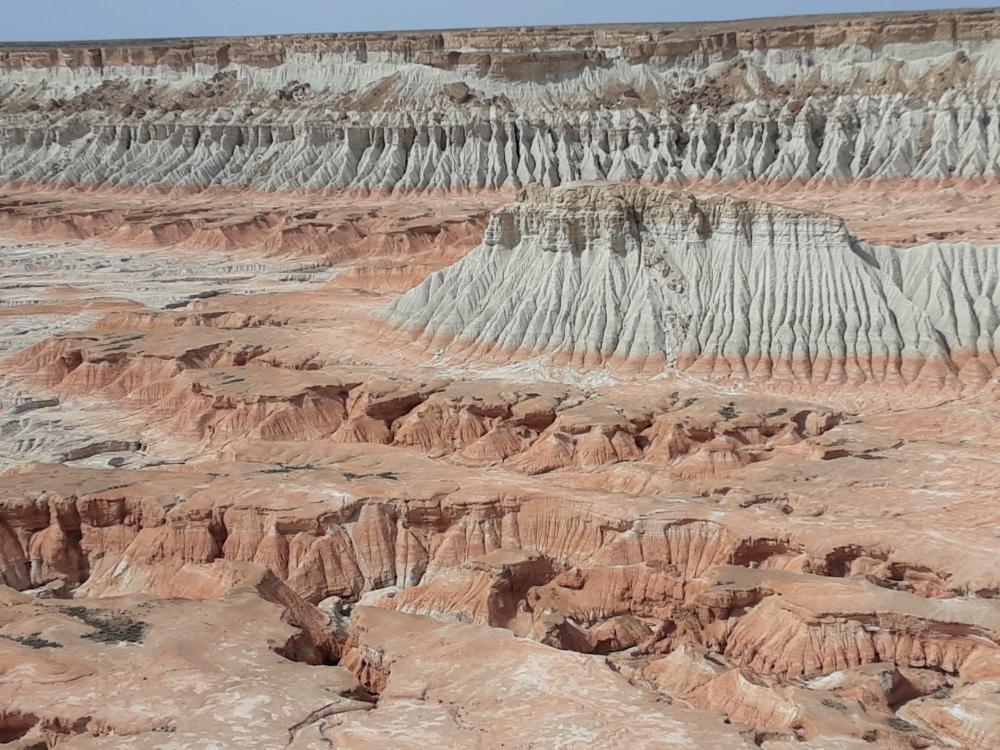
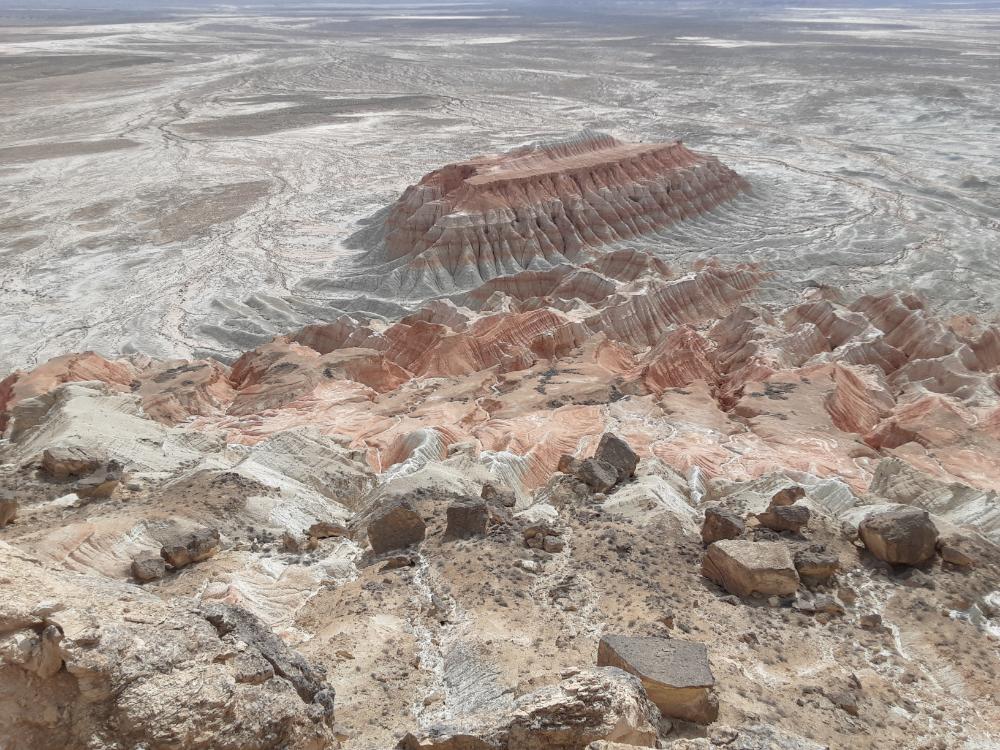
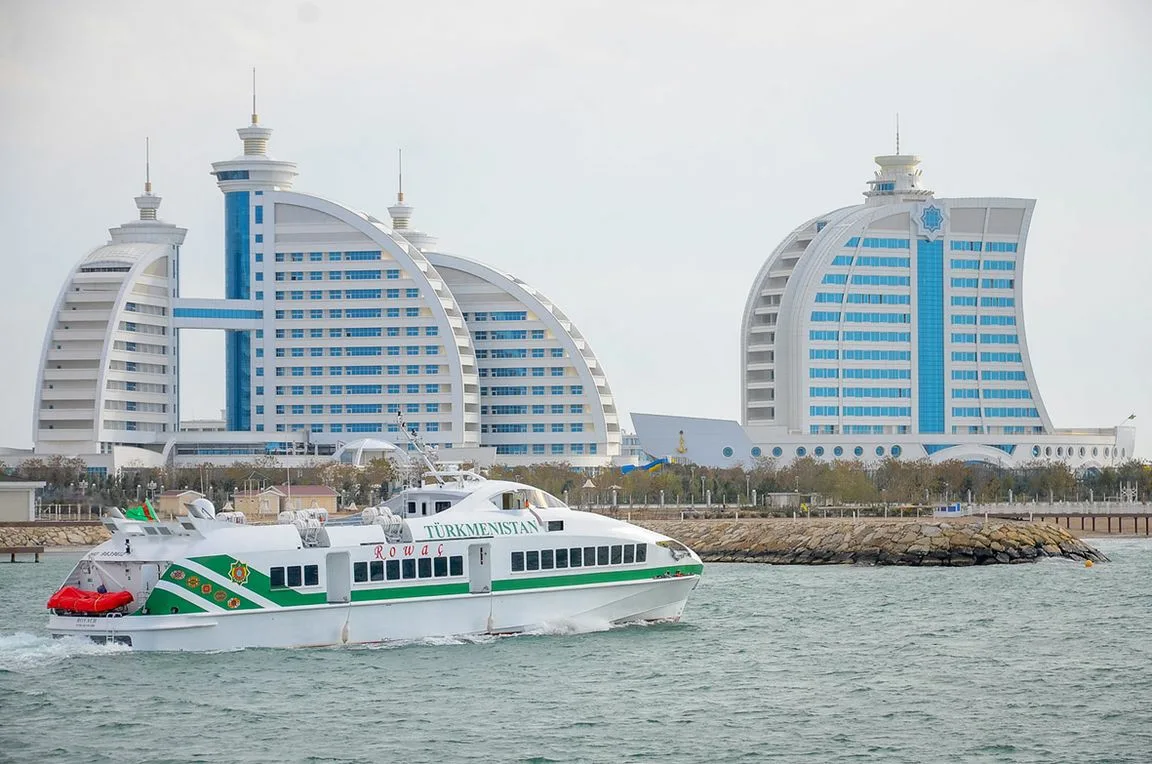
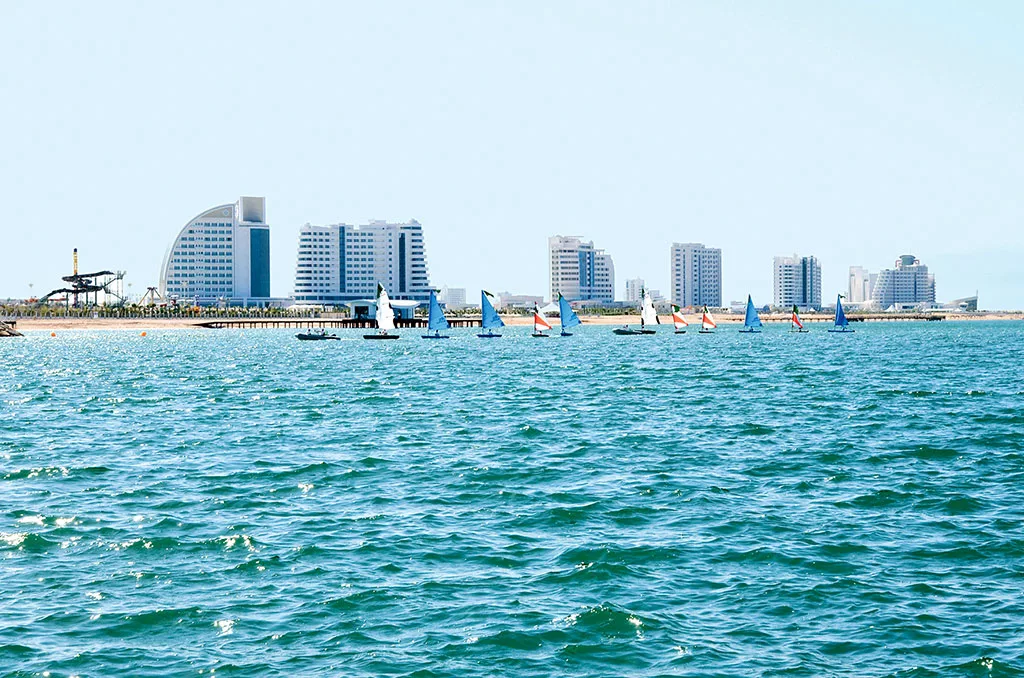
The Caspian Sea offers opportunities for relaxation and exploration. The coastal city of Turkmenbashi is a gateway to the sea, with beaches and resorts.
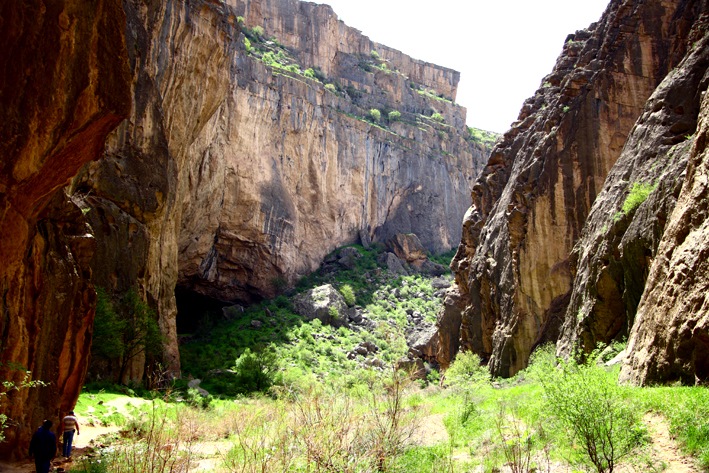
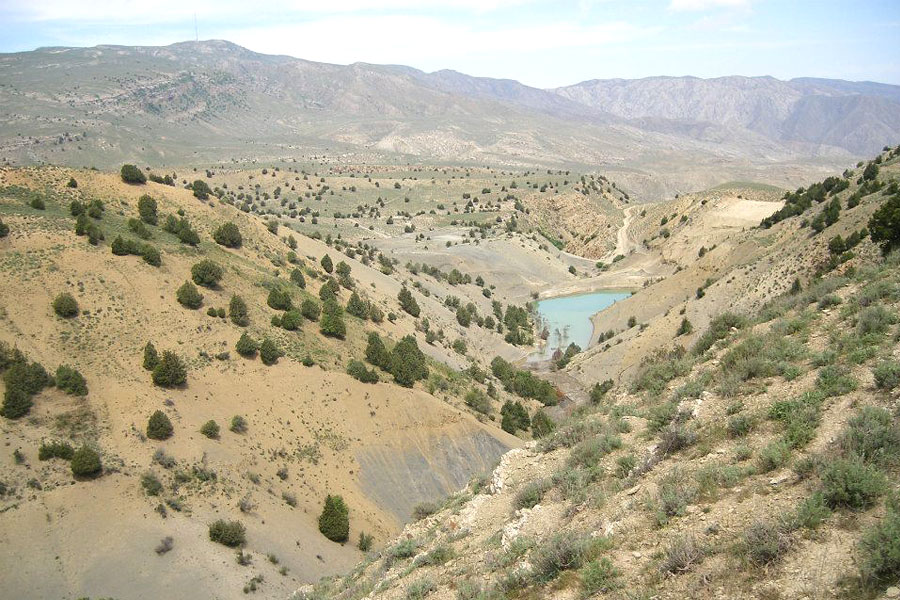
In the far east of Turkmenistan lie the most picturesque mountains in the country—Kugitangtau, also known as Köýtendag. The name translates from Turkmen as “mountains of deep canyons.” Indeed, this range is carved by numerous deep gorges with sheer cliffs, where sometimes the sky appears only as a narrow strip overhead.
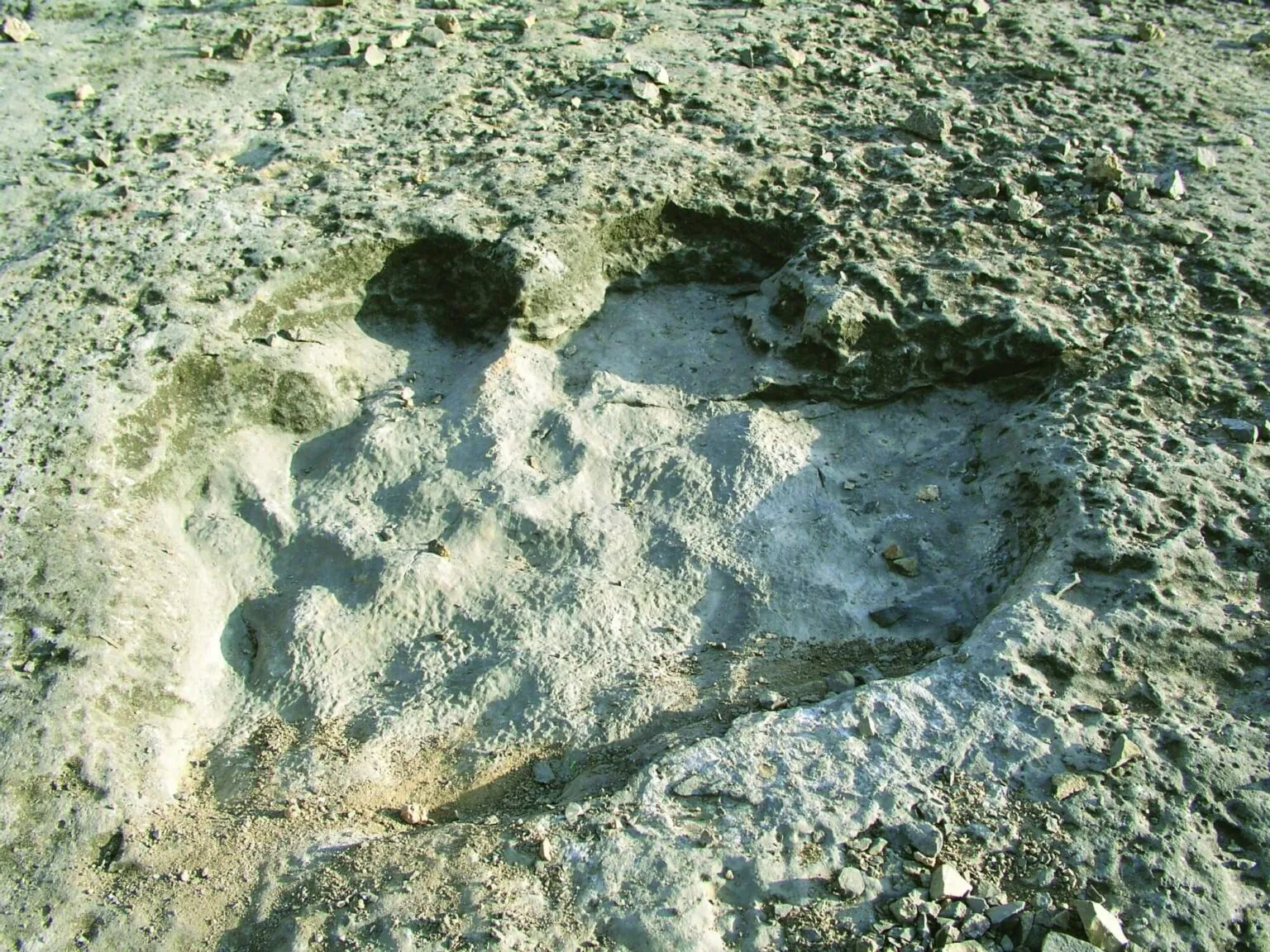
Here you can also find the deepest lakes, the longest caves, and even the Dinosaur Plateau, where the footprints of these prehistoric reptiles remain. Within this mountain system is the highest point in Turkmenistan, Mount Airy-Baba, standing at 3,139 meters. Additionally, Köýtendag is home to the deepest lake in the country—Kattakol.
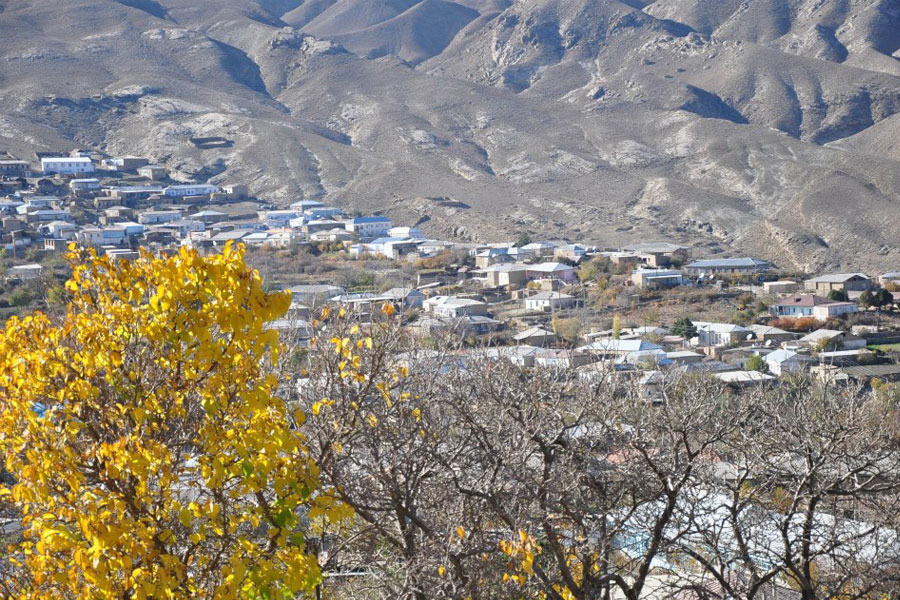
A four-hour drive from Ashgabat in the west of Kopet Dag range there is a region settled by Turkmens of the mountain tribe Nokhur, that have for centuries preserved their unique culture, traditional crafts and architecture. Nokhur (also Nohur) is in the list of 100 the most romantic places of the world. Picturesque villages Old and New Nokhur on the mountain plateau are beauty of two-store houses of unique architecture that are on the mountain cliffs among vines, almond and pomegranate trees.
Unique Cultural Experiences
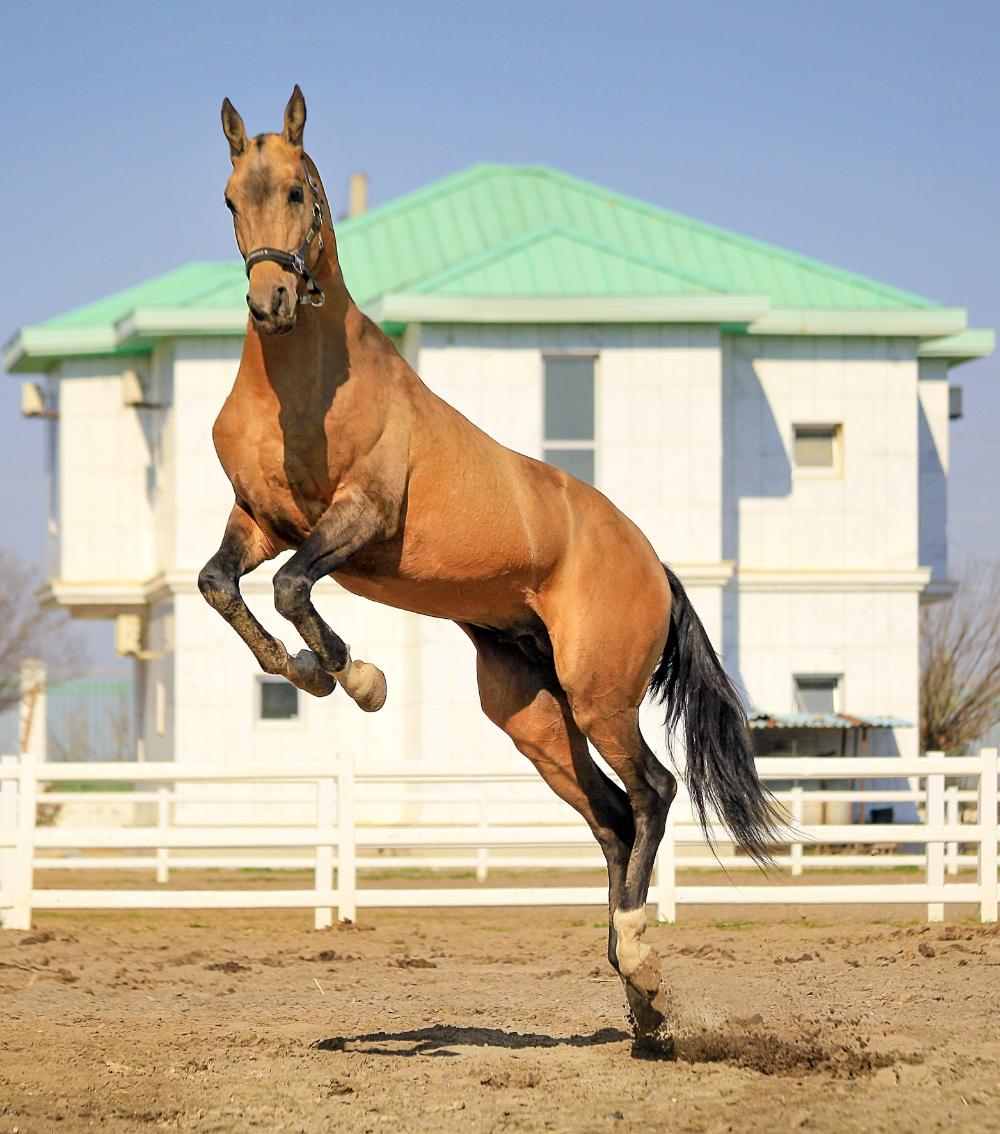
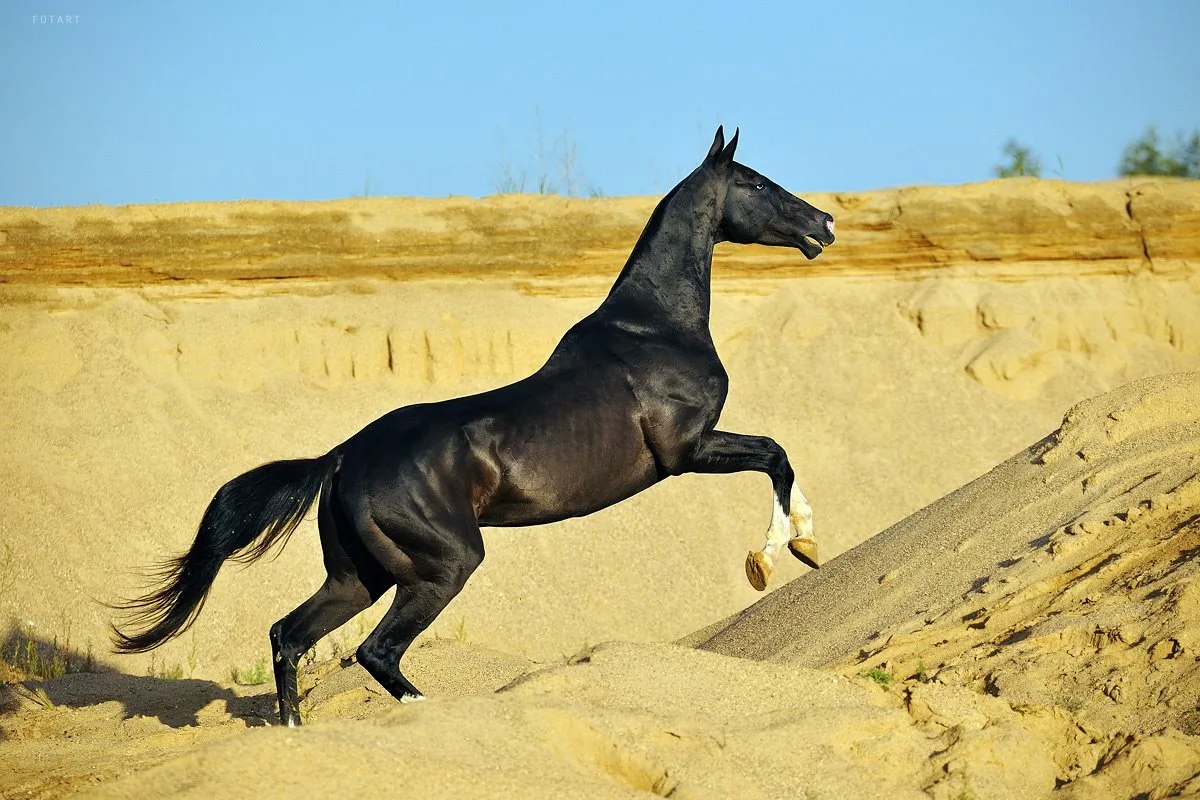
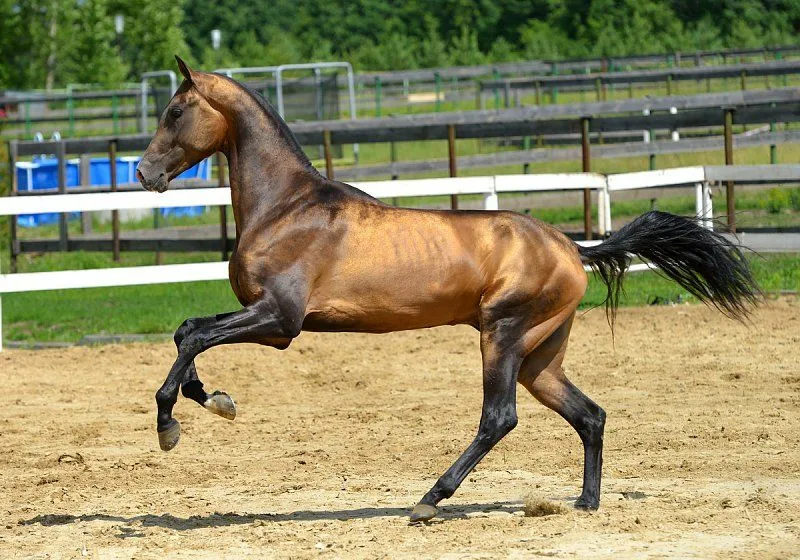
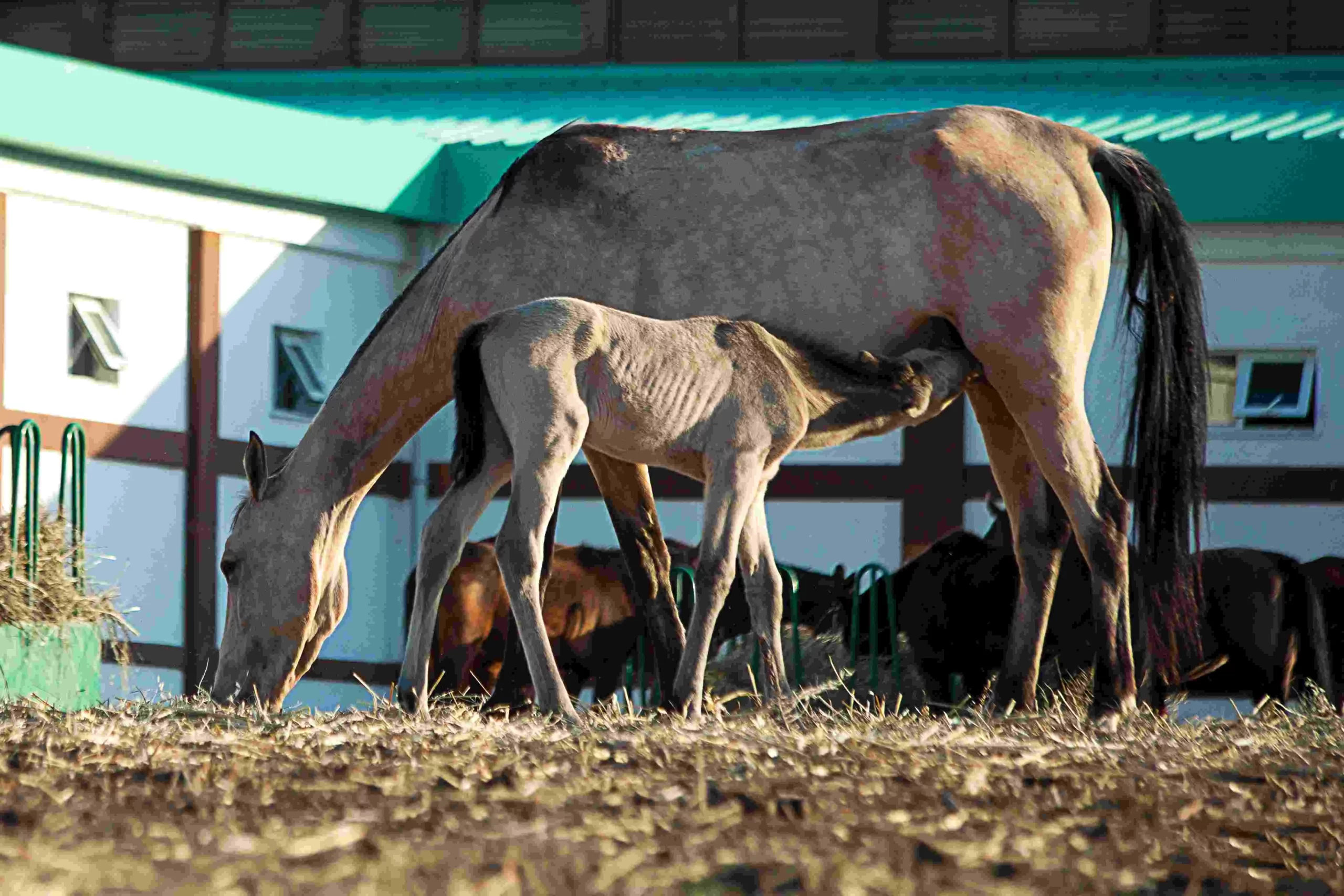
The Akhal-Teke horse, often referred to as the “heavenly horse” or “golden horse,” is a living testament to Turkmenistan’s rich cultural heritage and its deep connection to equestrian tradition. Renowned for their breathtaking beauty, unmatched speed, and extraordinary endurance, these horses are not just animals—they are symbols of national pride, spiritual companions, and a cherished part of Turkmen identity. For anyone who appreciates the elegance and history of horses, the Akhal-Teke is a breed that stands in a league of its own.
The Akhal-Teke is often described as the ideal of equine beauty. Their conformation is striking: a tall, slender frame with a chiseled, swan-like neck, long legs, and a deep chest. Their expressive, almond-shaped eyes and refined facial features give them an almost ethereal appearance. But what truly sets them apart is their unique coat, which often shimmers with a metallic sheen, particularly in the golden dun and Isabella colors. This radiant glow has earned them the nickname “golden horses,” a trait that has been admired since ancient times.
Beyond their beauty, Akhal-Teke horses are celebrated for their remarkable physical abilities. Bred in the harsh conditions of the Karakum Desert, they developed incredible endurance, speed, and resilience. These horses can cover vast distances with minimal food and water, making them ideal for the nomadic lifestyle of the Turkmen people. Their movements are fluid and graceful, almost as if they glide over the ground, a testament to their adaptation to the desert sands.
What truly endears the Akhal-Teke to its admirers, however, is its loyalty and intelligence. Turkmen horse breeders have always treated these horses as members of the family, hand-feeding them and nurturing them from birth. This close bond has resulted in a breed that is deeply devoted to its owner, forming a telepathic-like connection that is rare in the equine world. Their alertness and sensitivity make them both a joy and a challenge to work with, requiring a skilled and understanding hand.
The Akhal-Teke is more than just a horse—it is a cultural icon. Its image adorns Turkmenistan’s state emblem, symbolizing the nation’s pride and heritage. Each year, the “Festival of Turkmen Racer” celebrates this magnificent breed, showcasing its speed and grace through competitions and cultural events. The festival is a vibrant display of Turkmen traditions, offering visitors a chance to witness the Akhal-Teke’s prowess and learn about its storied history.
The art of breeding and training Akhal-Teke horses is a tradition that has been passed down through generations. Turkmen horse breeders, known as *seyis*, have honed their skills over centuries, perfecting the breed’s qualities through careful selection and a deep understanding of the horse’s needs. This tradition is so significant that Turkmenistan has sought UNESCO recognition for the Akhal-Teke breeding practices as part of the world’s intangible cultural heritage.
The Akhal-Teke horse is a masterpiece of nature and human ingenuity, a breed that embodies the spirit of Turkmenistan. Its beauty, strength, and loyalty have captivated people for millennia, earning it a place in history as one of the world’s most extraordinary horses. For equestrian enthusiasts, historians, or anyone seeking to connect with a living piece of ancient culture, the Akhal-Teke is a treasure that must be seen to be believed. Whether galloping across the desert or standing proudly in the sunlight, these golden horses are a testament to the enduring bond between humans and horses—a bond that has shaped civilizations and continues to inspire awe today.
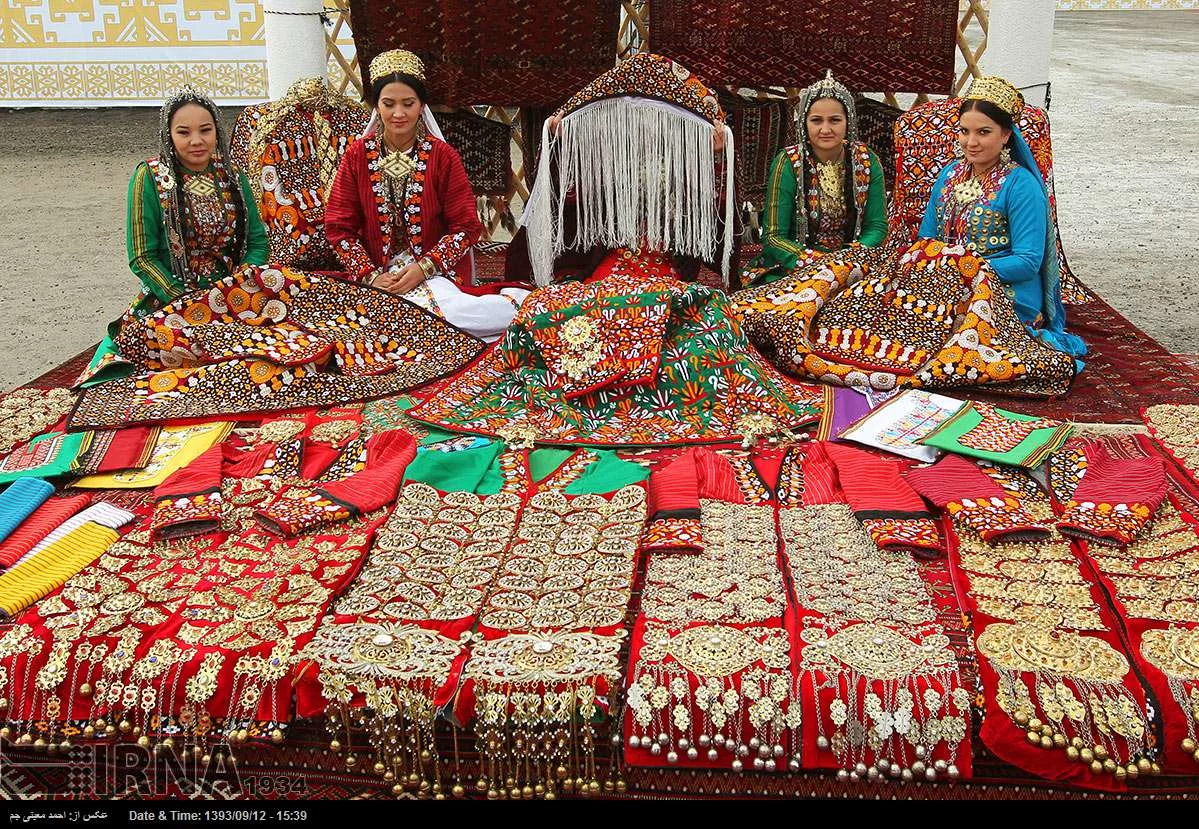
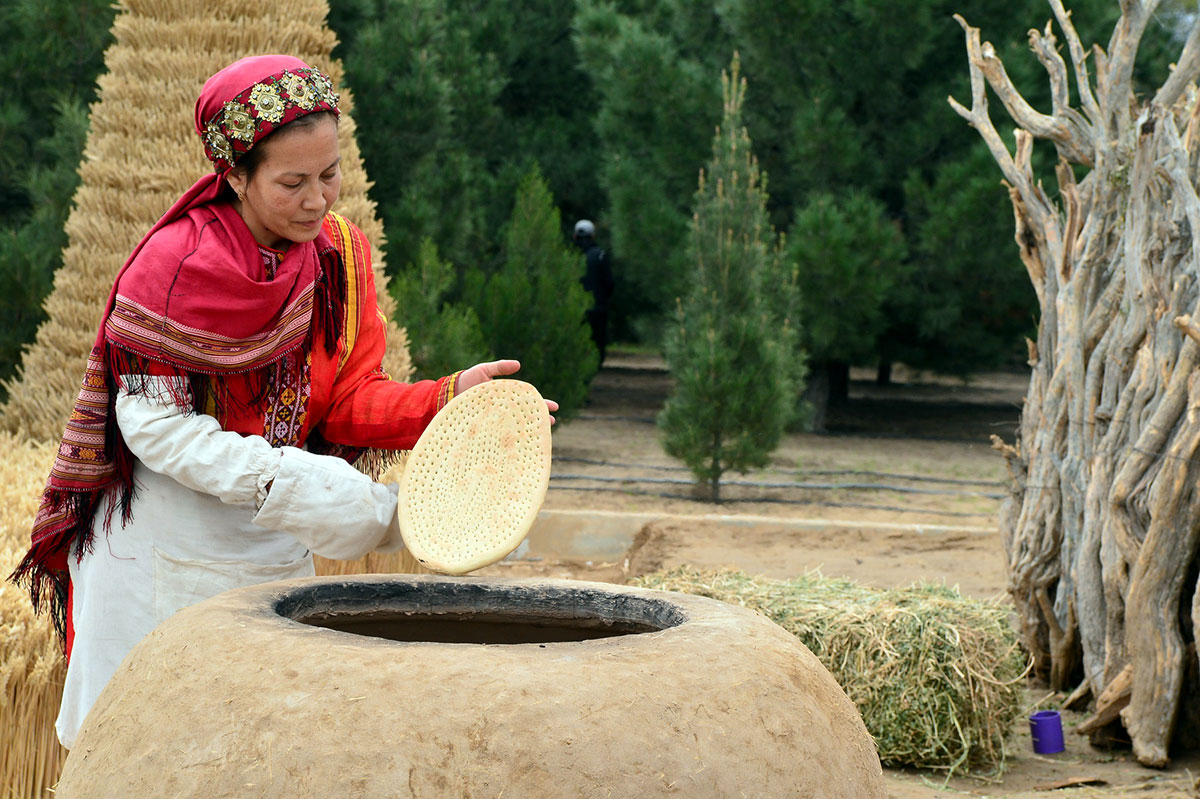
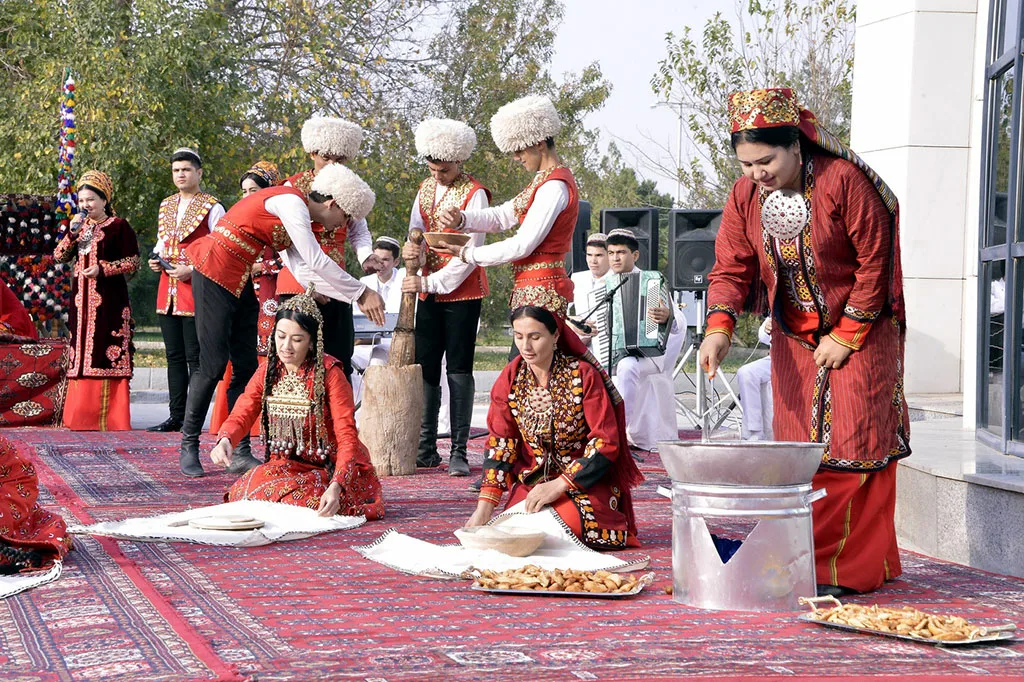
Turkmen people are known for their warm hospitality. Visitors can experience traditional yurt stays, enjoy local cuisine (such as plov, shashlik, and manty), and participate in cultural festivals.
Visitors can experience traditional yurt stays, enjoy local cuisine (such as dograma, gomme, plov, shashlik, and manty), and participate in cultural festivals.
Find Out The Best Travel Choice in Turkmenistan
- Ashgabat
- Akhal
- Balkan
- Dashoguz
- Lebap
- Mary
Ashgabat is the capital of Turkmenistan and the largest city of the country. It is also the scientific, administrative, cultural, and industrial center of the republic.
On one side, the city is framed by the Kopetdag Mountain Range and on the other, by the Karakum desert. Located in Central Asia, Ashgabat practically borders Iran – the border is only 25 kilometers away. The climate in the capital is continental extreme, very hot in summer and cool in winter.
In 2013, Ashgabat was included in the Guinness Book of Records as the city with highest density of white marble buildings, confirming the title 5 times.
According to official data, in 2018 the number of residents of Ashgabat reached 1 million, while the population of Turkmenistan was a bit more than 6 million people.
Ahal Velayat is located in the central part of Turkmenistan. Its total area is about 98 000 km2. Favourable weather conditions and fertile soil provide producing a wide range of agricultural commodities in the region. The leading traditional activities are wheat production, cotton and vegetable growing, viticulture and silkworm breeding.
Since ancient times, the Turkmen land has been considered the home of the world’s best fruits – sweet, fragrant melons. According to a legend, the fruits represent a gift to humanity from paradise. The historical chronicles evidence that, as early as the 7th-9th centuries, the Turkmen melons were supplied to the palaces of Arab rulers and were highly appreciated. Sun-drenched grapes, distinguished by the high sugar content, are not inferior to melons in their taste. Growing under the generous Turkmen sunrays, grapes acquire a unique and rich taste. Grapes are the basic raw materials for the production in wineries. Thus, aged cognac has a rich and refined aroma, and wine possesses a unique and delicious taste.
There are the ruins of the ancient settlements in the picturesque valley at the foothills of the Kopetdag Mountains in Ahal Velayat. The Old and New Nisa are the significant historical and cultural sites of Turkmenistan inscribed on the UNESCO World Heritage List. In ancient times, palaces, temples, and the untold treasures of the Parthian kings were situated here. People bred miraculous horses on the fertile green pastures. Nisa is the home of the famous Ahalteke horses.
‘Steel wrapped in silk’ is one of the many nicknames of the Turkmen Ahalteke horses, which are often called ‘heavenly argamaks’, ‘heavenly horses, ‘golden horses of Parthia’, ‘paradise horses’, ‘Nisian horses’, ‘miracle of nature’, ‘emperors’ horses’, ‘star trotters’, ‘horses of excellent qualities’, etc. Each of these names reflects the great glory that the Turkmen horse has enhanced during the ages-old history. The Chinese emperors were striving to get this treasure. They were ready to pay the amount of gold equal to the Ahalteke horse weight. The region has excellent opportunities for horse tours, and special horse routes have been developed for tourists in the Karakum Desert. Everyone can visit a farm and ride the famous horses in Velayat.
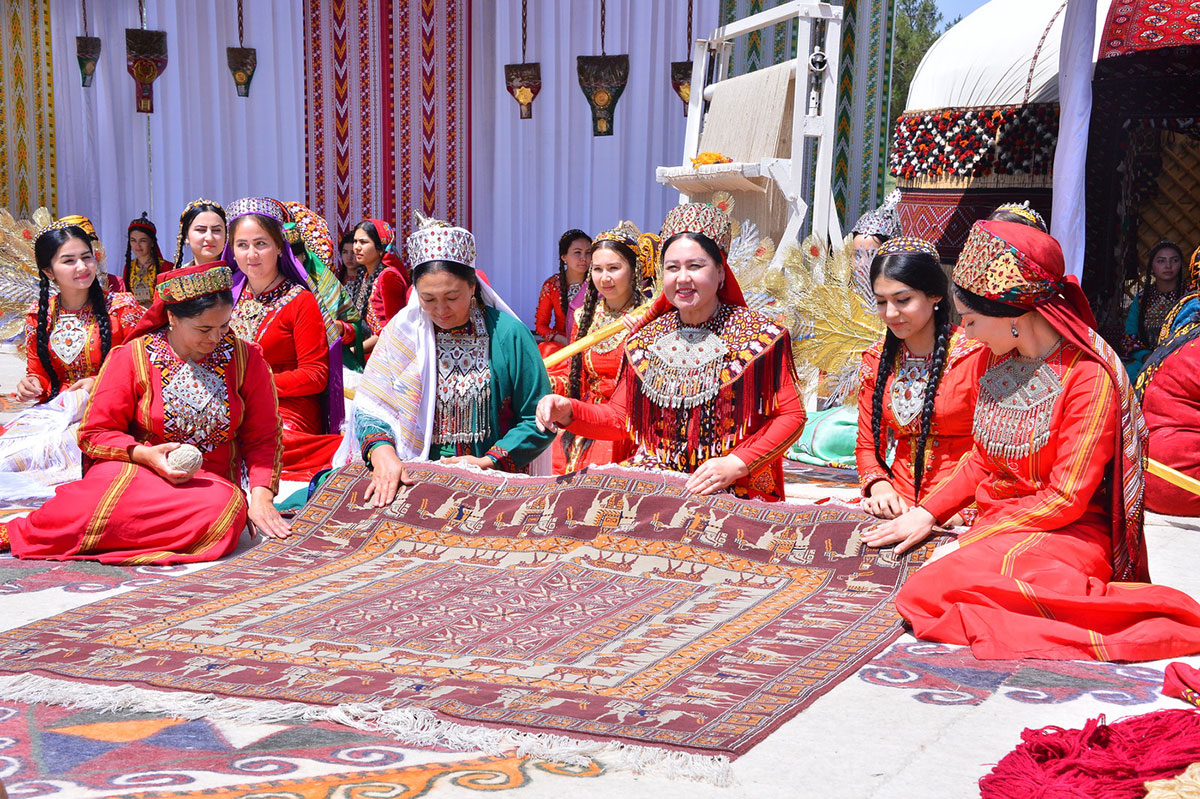
Moreover, people cannot resist admiring the famous Turkmen carpets, which excite with their beauty, refinement, wonderful harmony of thousands colours. The Turkmen national art of carpet weaving, as well as the Gorogly epic, the Kushtdepdi rite of singing and dancing are inscribed on the UNESCO Representative List of the Intangible Cultural Heritage of Humanity.
The Seyit Jemaletdin Mosque stands out among other must-sees in the region. The monument was built in the middle of the 15th century. It is commonly called the ‘house of beauty’. The well-known Anau culture is also located nearby – the remains of the 7000-years-old agricultural settlements. In Kaka Etrap, near the modern village of Dushak, there is the Mausoleum-Shrine of Abu Seyit Abul Hayr, known as Meana Baba. It was built in the medieval city of Meyhen, which was subordinate to Abiverd, during the rise of the Turkmen Seljuk Empire.
The Abul Fazl tomb, known as Serahs Baba, which was constructed in the 11th century in the suburbs of Serahs, is of great importance among the preserved cultural monuments in Ahal Velayat.
Obviously, a unique work of nature is the Kov Ata Cave, with a lake at a 60-metre depth. Its waters are saturated with hydrogen sulphide, contain dozens of micro and macro elements, and have healing properties. Darvaza is one of the most amazing places in Turkmenistan, which has attracted thousands of tourists for many decades. Local residents call it ‘the shining of the Karakum Desert’, and foreign tourists nicknamed the site ‘door to hell’. The Nohur settlement, located in the foothills of the Kopetdag Mountains, also captivates tourists. The settlement is one of the most exciting tourist destinations in Turkmenistan. Even a short acquaintance with its culture and life is a unique experience that will remain in the memory of travellers.
Discovering the region will enchant you with the picturesque landscapes at the foothills of the Kopetdag Mountains. The majestic outlines of mountains are charming with their splendour. Travellers can take a hiking tour in the Kopetdag Mountains. The magnificent views of the foothills, clean mountain air, endless meadows covered with greenery, the richness and originality of the flora are vivid evidence of the ecological integrity of these places.
Balkan Velayat is one of the most interesting regions in Turkmenistan, with great tourism potential. Located on the Great Silk Road route, this land has been a centre of international culture and trade since ancient times, a unique historic region. Archaeological work in Velayat contributed to the tracing history of the region from antiquity.
To date, Balkan Velayat is the largest region in the country (28.4%) – 139.3 km2. This area is rich in mineral resources and plays an important role in the economy of Turkmenistan.
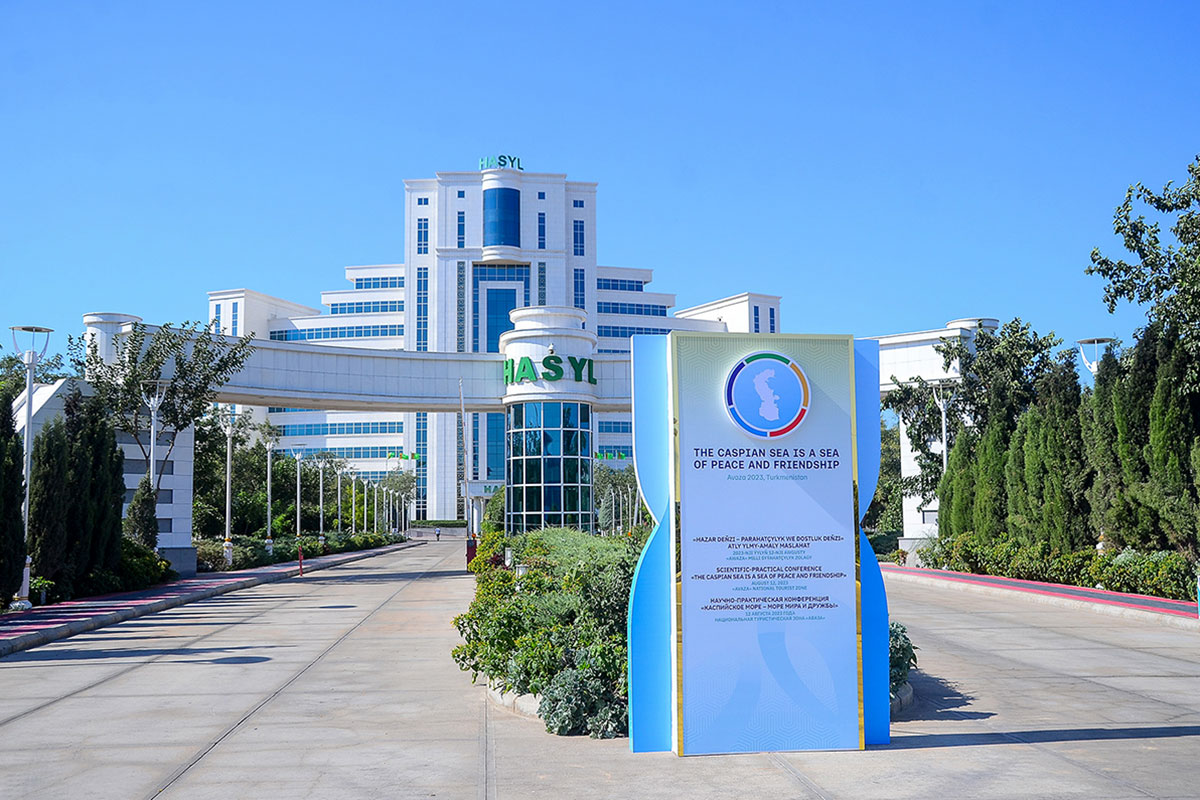
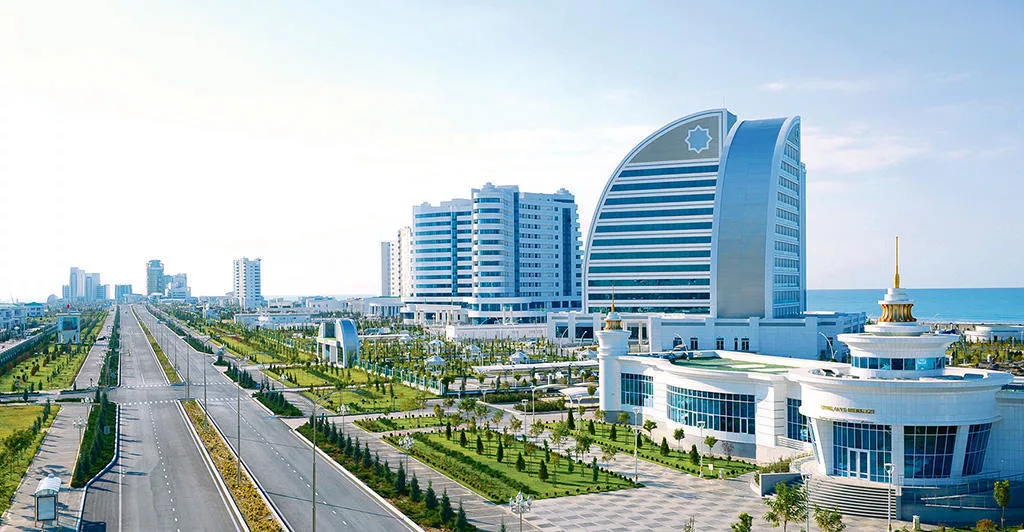
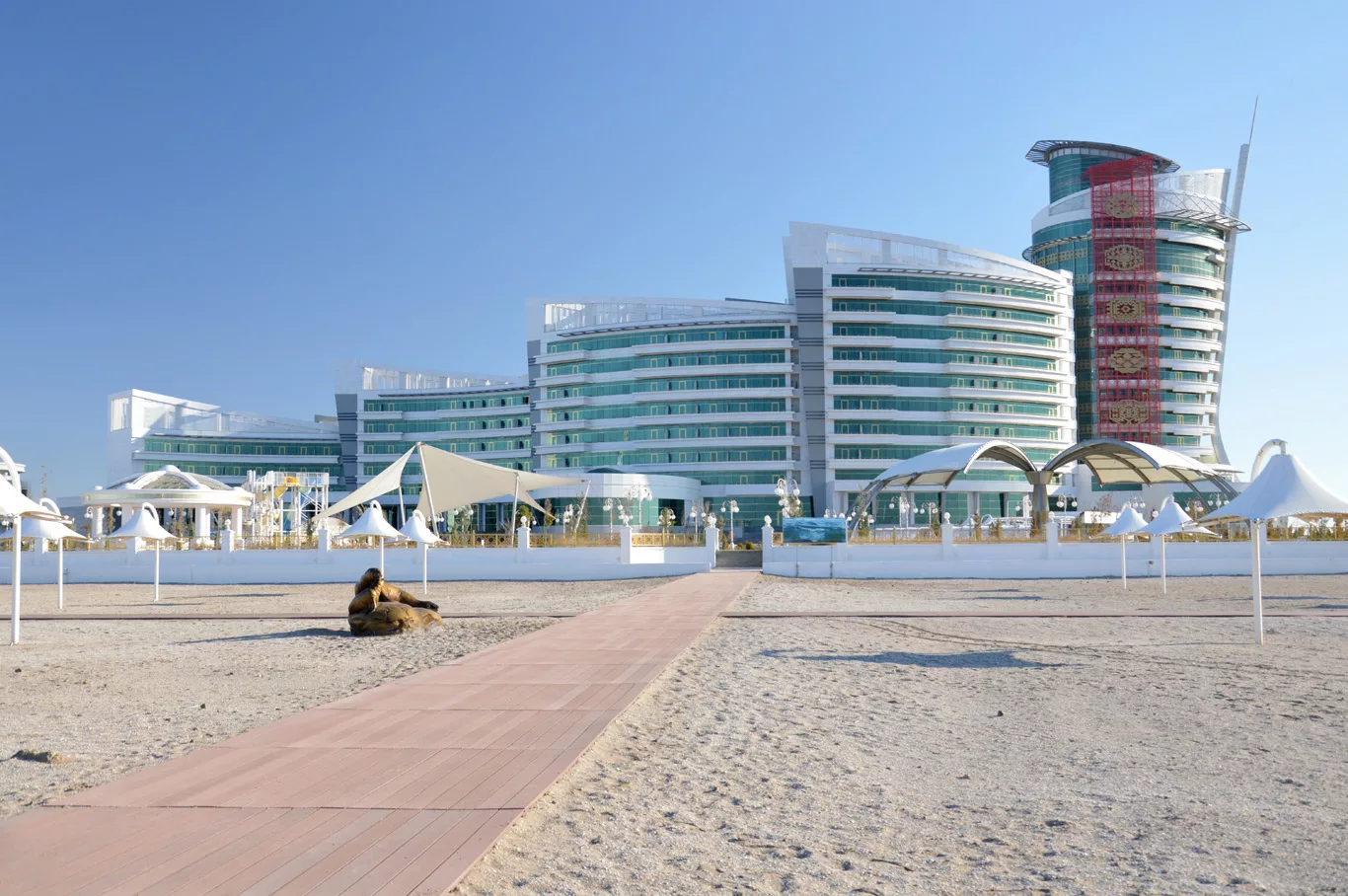
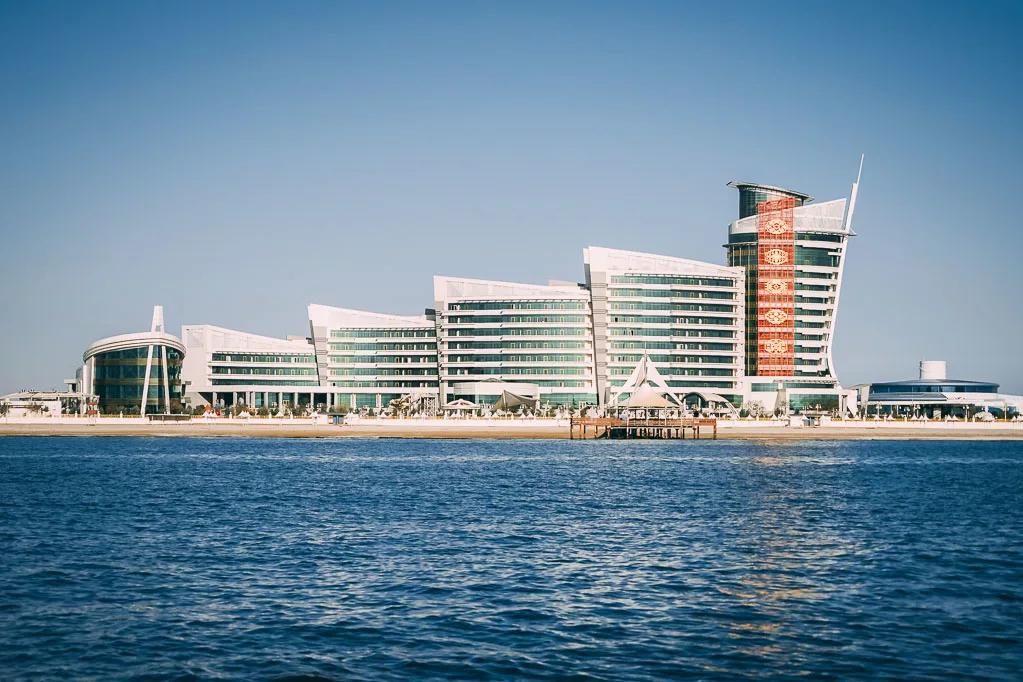
The country’s sea gate – the city of Turkmenbashi – is a major transit hub in the foreign economic relations of Turkmenistan and an important transit point for the effective development of the international transport corridor between Europe and Asia. From this city, the tourists who travel by cars can cross the Caspian Sea by ferry and continue their tour on the territory of Azerbaijan. According to the international experts, the Avaza National Tourist Zone, located on the Caspian Sea shore of Turkmenistan, is the most ecologically friendly area, which is especially popular among the local and foreign tourists.
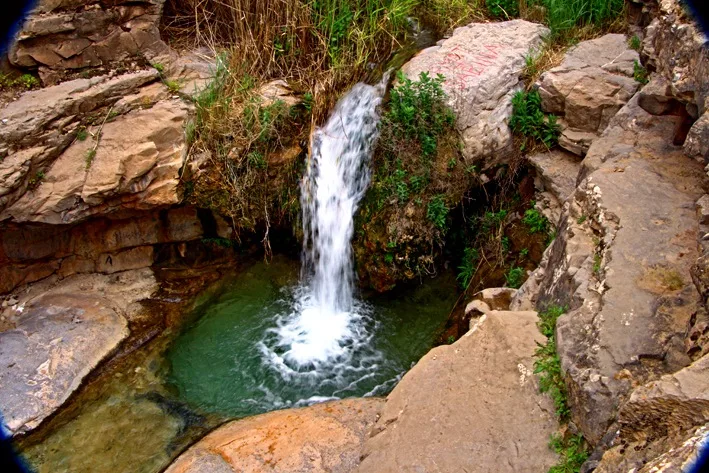
A good environmental and safety record of the region, original oriental folk traditions, amazing beauty of nature in the Sumbar Valley, the Chendir and Aydere gorges, waterfalls, small rivers, pomegranate orchards, vineyards, the groves of wild fruit trees in the Syunt Hasardag State Nature Reserve, and historical monuments in the Balkhan Mountains fascinate tourists and reveal the secrets to them.
One of the most impressive places in Balkan Velayat is Dehistan (Misrian), a city founded at the late third century BCE. The city represented the most important medieval oasis in the South-Western Turkmenistan. Within six kilometres of the city, there is the ancient cemetery Mashad – a Muslim necropolis with the famous mausoleum of Ali ibn Sukkari or Shir Kabir, located in the centre, and the architectural monument of Mashad Ata. It is called a mosque ‘on wooden columns’. This is the oldest existing mosque in Turkmenistan.
The mausoleum and mosque of Parau Bibi – the patroness of pregnant women and children, the Gozli Ata and Kemal Ata cemeteries, Shibli Baba – a whole ritual complex at the foothills of the Syunt Hasar Mount are among the most popular tours and places of pilgrimage. Each year, a huge number of people visit the native village of the great Turkmen poet and thinker Magtymguly – Gerkez, located in the picturesque Sumbar River valley. The poet’s museum is established here.
There are many natural monuments and protected areas in Balkan Velayat, including in the Hazar and Syunt Hasardag State Nature Reserves, the Sumbar River valley, the Big and Small Balkhan Mountains, mud volcanoes, giant spheroids, the Yangikala, Yangisuv and Garashor canyons, the Chendir and Garashor villages and the dry channel of the ancient Uzboy River.
Dashoguz is located in the northern part of Turkmenistan. The territory of Dashoguz area hosts the capital of ancient Khoresm – one of the strongest medieval empires in Central Asia – the city of Keneurgench. From 995 when Gurgandzh was the capital of Horezmshakh state and the second-largest and important after Bukhara – a diamond crown of Samanid, this city has preserved its magnificent architectural monuments – il Arslan and khorezmshakh Tekesh mausoleums dated the 12th century. Especially significant 14th century monuments of Keneurgench are Tyurabek-khanym with a mosaic panel on the inner side of the dome which is considered a masterpiece of Oriental art which has no analogues in entire medieval architecture and the grandiose 60-meter Kutlug-Timur the highest in the Central Asia. There are also magnificent ancient fortress cities Devkesen, Shasenem, Zmukshir, Kenevas and a lot of others.
Turkmenabat is the center of the eastern part of Turkmenistan and the second-largest city in terms of population. It is located on the banks of the Amu Darya River. Long time ago the fortress of Bukhara emirate called Chardzhui (the four canals) used to stand there. It guarded the Amu Darya crossing from the attacks of nomadic tribes. In 1886 when trans-Caspian Railway reached the fortress it grew first into a military and then into civilian settlement. In 1901 the railway bridge across the river was built. In 1940 the city’s name was rewritten in a new transcription – Chardzhou. In 1999 Chardzhou was renamed Turkmenabat (“created by Turkmen”). Today Turkmenabat is a developed industrial and cultural center.
The main place of interest in the city is Kugitang reserve (to the southeast of the city). It is a mountain range with a protogenic nature, untouched by civilization, abounding with rare species of animals and plants. There you can see a lunar landscape of Boya-Dag, the plateau of Dinosaurs with prints of prehistoric pangolins, unique karstic caves. If you visit the museum-city of Atamurat you’ll be able to see ancient caravanserais, mausoleums of Alamberdar and Astana-baba which even now remain as the place of pilgrimage for many believers.
Mary Velayat, with a total area of 87000 km2, is located in the southeast of Turkmenistan. According to the international experts, the world’s second-largest Galkynysh gas field (26.2 trillion m3) is situated in Mary Velayat.
The ancient Merv (Margush, Margiana) is the historical and architectural pearl of the region. The world’s leading scientists and archaeologists have put the ancient culture of Margush on a par with the great civilizations of Mesopotamia, Egypt, India and China. The discovery of the fifth, unknown civilization of Margiana forced to revise the history of the ancient East. Scientists consider the legendary Margush the world’s oldest home of the first religion – Zoroastrianism. Moreover, historical artefacts related to Buddhism, including in the head of Buddha, manuscripts in Sanskrit, were discovered here.
Merv was one of the most ancient cities in Central Asia. To date, it is the largest archaeological site in the region. A number of settlements have been preserved here (Erk Gala, Gyaur Gala, Sultan Gala, Abdyllahan Gala and Bayramaly Gala). The Great and Little Gyz Gala, the Muhammad ibn Zayd and Askhab Mausoleums, the Hoja Yusup Hamadani Mosque and the grandiose Sultan Sanjar Mausoleum, unanimously considered a masterpiece of medieval eastern architecture, are among the most interesting monuments.
Al Horezmi, Omar Hayyam, Al Mervezi, Al Samani, Enveri, the scientist and poet Muhammet Envery Abyverdi, as well as the famous poets Hassan Gaznevi, Abd al-Vasi, Amir Muizzi, and other great thinkers of the Middle Ages lived and worked in Merv.
The Karakum Desert covered many of the oldest monuments of Margush. First, it is the palace and temple complex of Gonur Depe, the capital of the great country of Margush discovered by archaeologists. The inscription of the Ancient Merv State Historical and Cultural Park on the UNESCO World Heritage List confirmed the uniqueness of the ancient settlement.
The natural complexes in the Badhyz State Nature Reserve have no analogues in Eurasia. Thus, it is inscribed on the list of the most important reserves in the world. The closed Yeroylanduz depression, situated 500 metres below sea level (total area of 300 km2), is one of the most impressive natural sights in Badhyz. The depression attracts travellers with the ancient, extinct volcanoes and marine fossils. In earlier times, the Tethys Sea occupied this area. The unique depression replaced the volcanoes, once acting on the sea floor. Intricately scattered domed and slightly long hills are the vents of extinct volcanoes. The salt marshes where table salt was mined are located between the hills. There are beautiful andesite-basalt formations and the weathered volcanic stocks on the hills. During the rainy season, it turns into an extremely salty lake.
With the coming of spring, Badhyz becomes one of the most beautiful places on the Earth. At the end of March-April, a blood-red carpet of blooming roemeria, poppies and tulips appears here. Ferula that has become a visiting card of the Reserve grows on large steppe areas. The plant reaches a height of 1.5 metres. In late April, Eremostachys covers the steppe with a green and white carpet.
Mary is considered the fourth city of Turkmenistan by the number of inhabitants, today more than 200 thousand people live here. It is located in the middle of the desert, in a large oasis. Mary was founded by the Russian military in 1884. The city was built not far from the ancient Merv, which is more than two thousand years old. Once the inhabitants of Merv were Omar Khayyam, Al-Khorezmi, Enveri, As-Samani and other famous personalities. Today Mary is considered the largest city in the country for cotton growing and an important center for gas production. It is the gas industry that is the main income of Turkmenistan.
Turkmenistan Travel Seasons
A common question for travelers planning a Turkmen adventure is pinpointing the ideal season. Even compared to its already sunny Central Asian neighbors, Turkmenistan stands out for its intense light and warmth. This abundance is largely due to its geographic location in the heart of the Eurasian continent, far removed from the temperature-regulating influence of oceans, resulting in each part of the country receiving twice the annual heat of Central Europe.
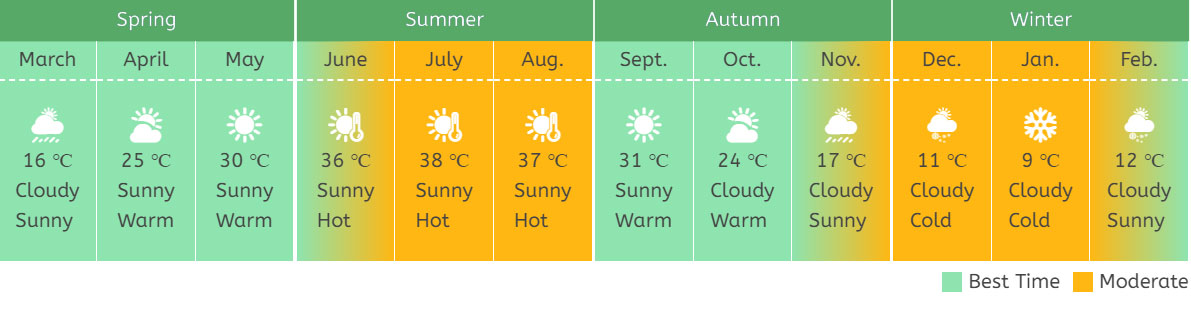
Consequently, Turkmenistan experiences a desert climate with strong continental characteristics, marked by moderate rainfall and high evaporation rates. In stark contrast, spring emerges as the most agreeable season, commencing in March (and April in mountainous regions). This time of year is characterized by dynamic weather patterns, with temperatures reaching 20-25°C in the afternoon during March. Frequent showers foster rapid plant growth, infusing the air with fragrant blossoms. Spring is a captivating period when the sweet scent of apricot orchards in a white-pink bloom envelops the entire country, alongside the flowering of almonds, peaches, and other cultivated plants. For those venturing into the Karakum Desert during spring, a near-paradisiacal spectacle unfolds. Countless plants awaken from their dormancy, stretching as far as the eye can see. The unforgettable and intoxicating fragrance of flowers carpeting the landscape to the horizon will undoubtedly inspire a deep longing to revisit this land.
How Do I Get a Turkmenistan Visa?
To obtain a Turkmenistan visa, you must first secure a Letter of Invitation (LOI) from the Turkmen State Migration Service. Our travel agency can assist with this process, providing guidance on the required documents and information for the LOI application. Please note that the LOI application can take 10-14 working days to process, as it is the most crucial component of your visa application.
Once you have received your Letter of Invitation, you can proceed with your visa application at the nearest Turkmen Embassy or Consulate. You can find a list of Turkmenistan’s diplomatic representation offices here.
We recommend contacting the specific Embassy or Consulate to confirm their application procedures, as some may offer mail or online application options. You will need to submit your LOI, passport, any other necessary documents, and pay the applicable visa fee. After submission, you will await the processing of your visa.
If Turkmenistan does not have a diplomatic representation in your country, you may be eligible to apply for a Visa on Arrival at Ashgabat International Airport or at land borders.
OUR VISION
At “Stan Holidays”, we envision a world where travelers can discover the beauty and diversity of Central Asia while fostering mutual understanding and respect between cultures. We strive to be the leading travel agency in Turkmenistan, known for our exceptional service, deep local knowledge, and dedication to creating meaningful travel experiences.
Join us at “Stan Holidays” and let us take you on a journey through Turkmen wonders. Whether it’s your first visit or a return trip, we promise an adventure that will stay with you forever.
Lorem ipsum dolor sit amet, consectetur adipiscing elit. Ut elit tellus, luctus nec ullamcorper mattis, pulvinar dapibus leo.